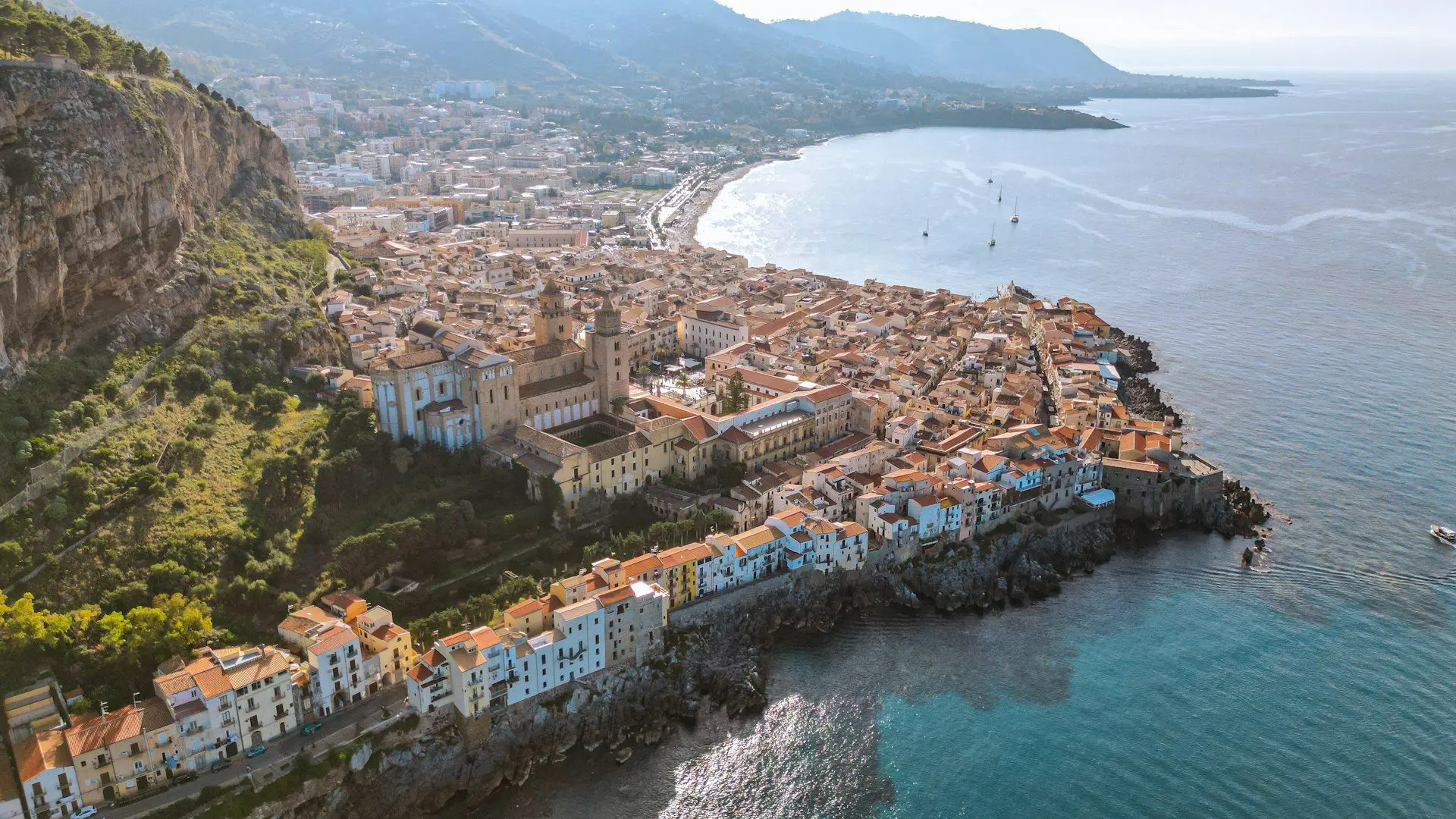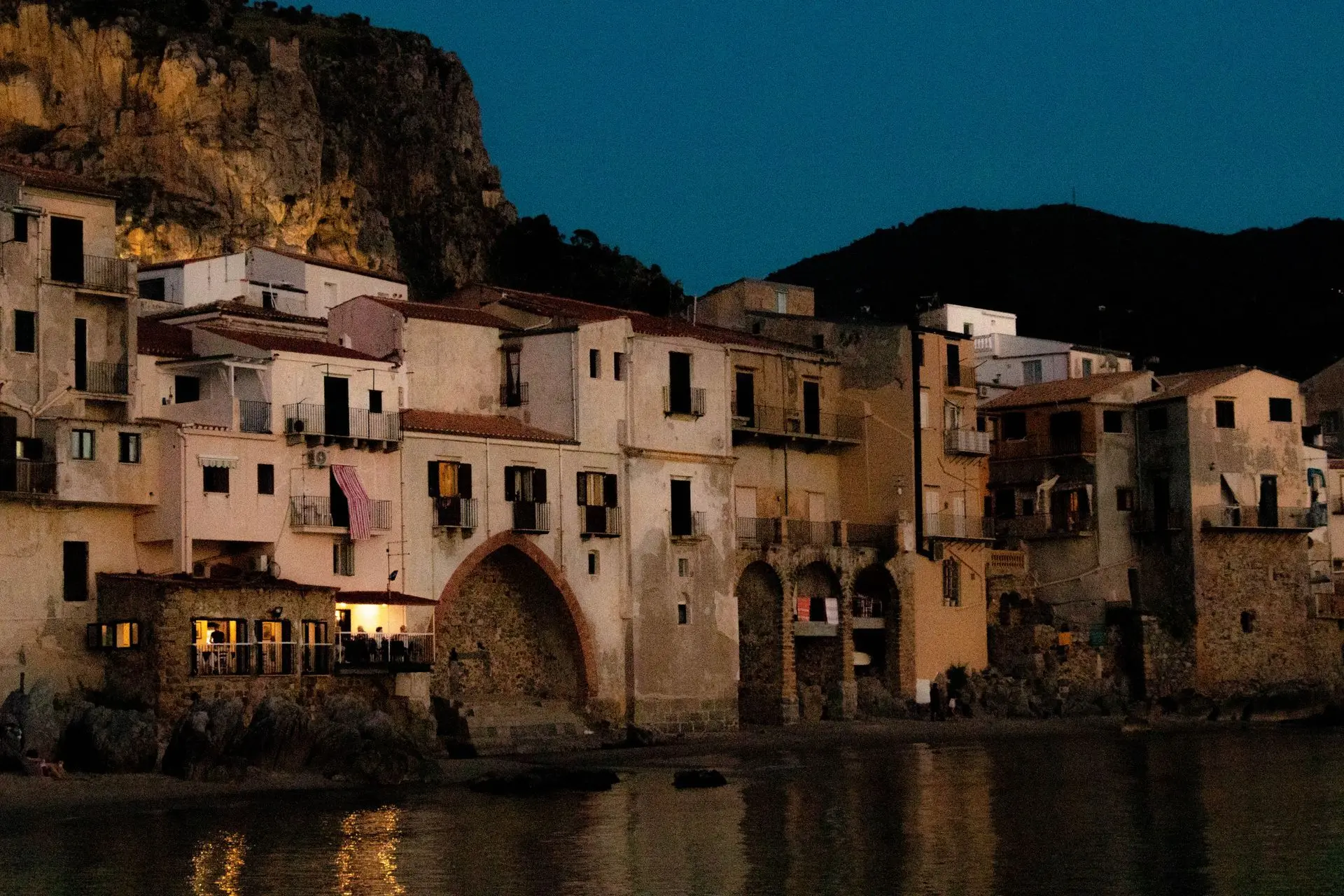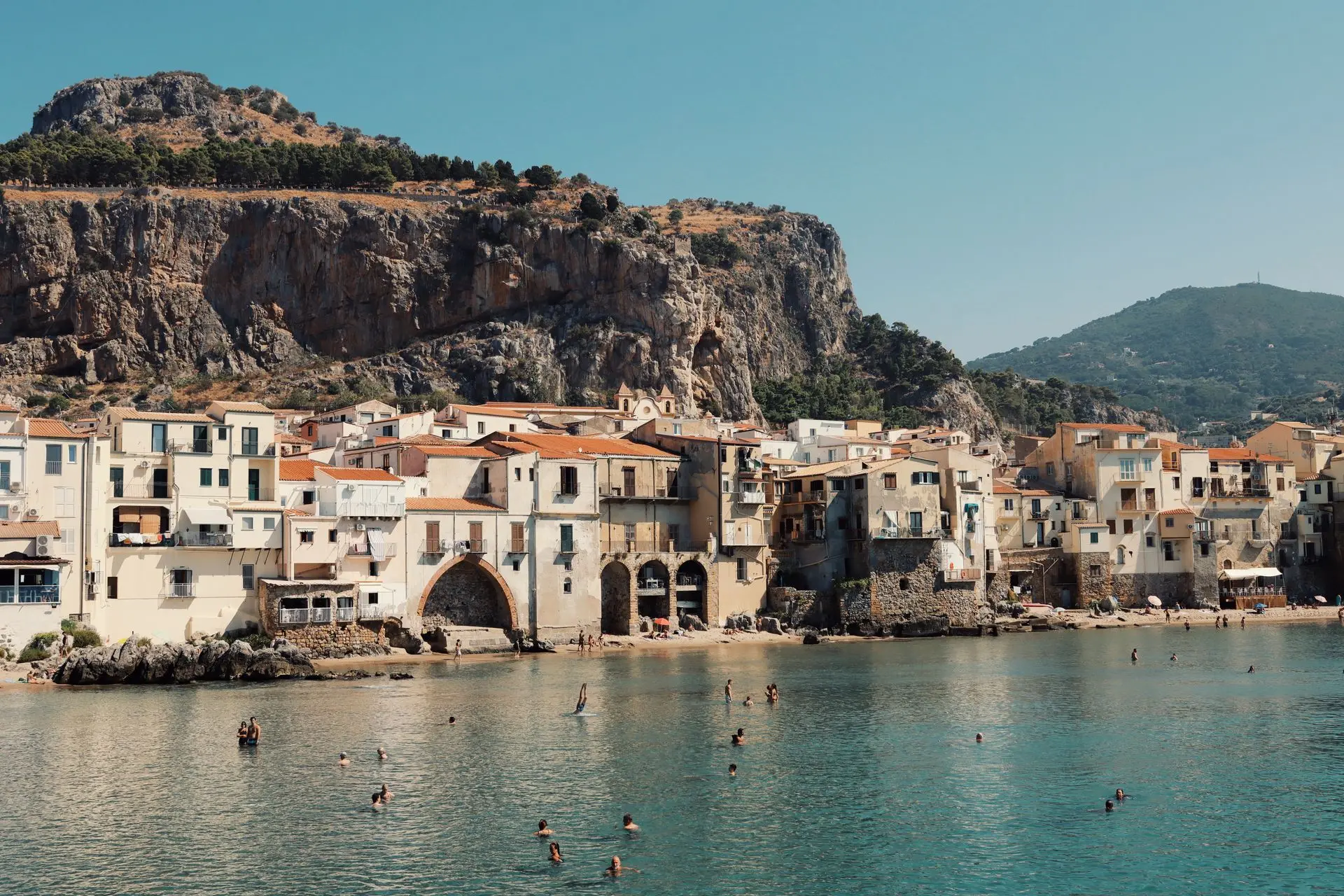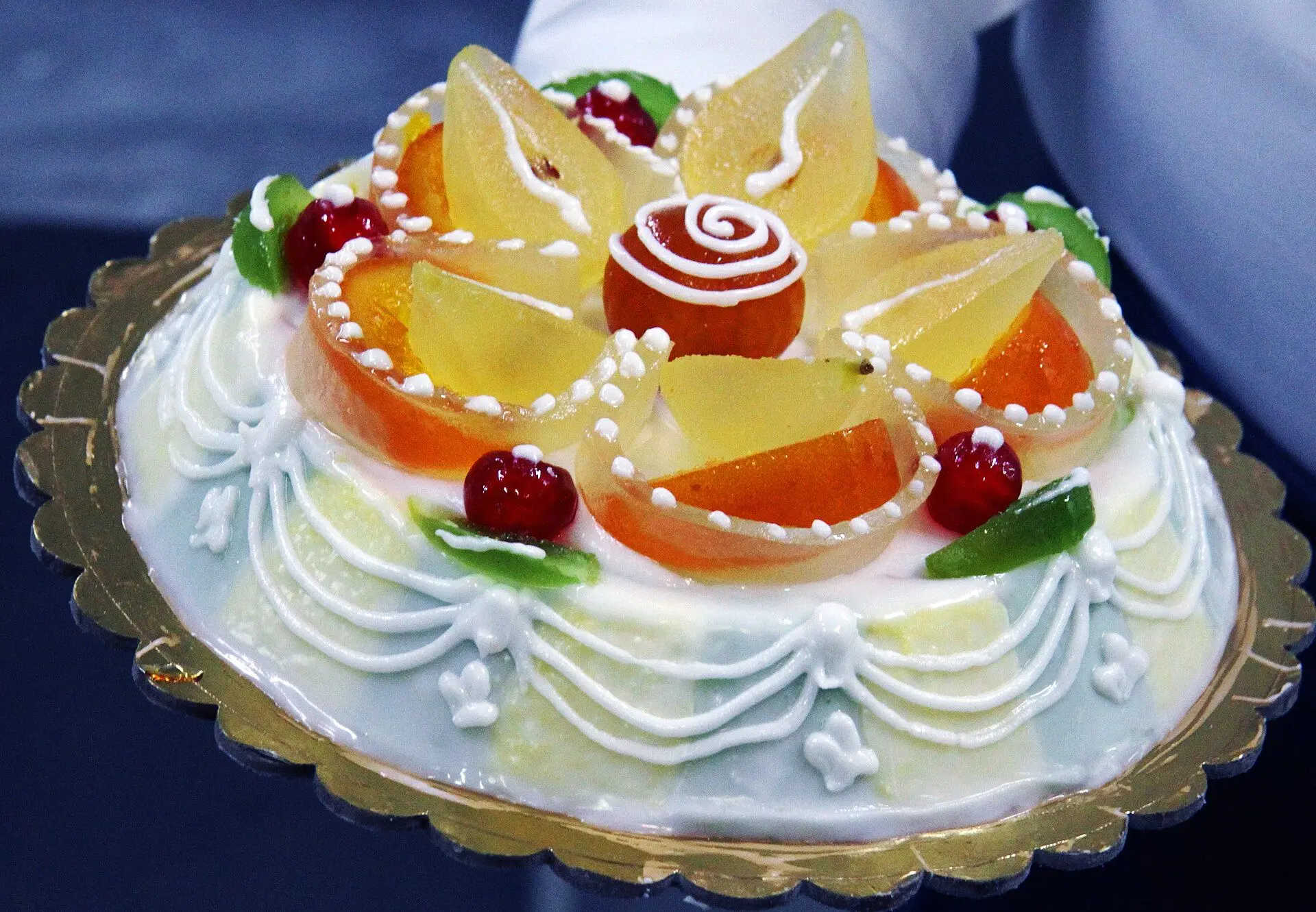
When guests ask us what to eat in Cefalù, they often expect a list of restaurants. We would rather talk about the dishes, because they tell you more about the place: the baked pasta of the patron saint's feast, sardines from our own sea, street food borrowed from Palermo, cheese and manna from the Madonie mountains, and the citrus that grows around our houses. Here is what to look for, and when.
By Alessandra, Giuseppe and Salvatore Livecchi · updated October 2026 · 5 min read
Pasta a taianu, Cefalù's own dish
If one dish truly belongs to Cefalù, it is pasta a taianu. The name comes from the taianu, a large earthenware pan used both to cook and to serve it. The traditional recipe brings together a tomato sauce cooked with veal and lamb, garlic and basil, fried aubergine, rigatoni and plenty of grated aged pecorino. Pasta, sauce and aubergine are layered in the pan, which then goes into the oven, traditionally a wood-fired one, for a short bake.
It is the dish of the Feast of the Santissimo Salvatore, the town's patron, celebrated from 2 to 6 August. On 6 August, the day of the procession and of the 'ntinna a mare, when fishermen try to grab a flag from the tip of a long greased pole stretched out over the sea, many local families make pasta a taianu at home. If you are in town that week, it is the best time to try it. The rest of the year it sometimes appears on traditional menus, but it remains above all a family recipe.
Seafood: what to eat in Cefalù from the sea
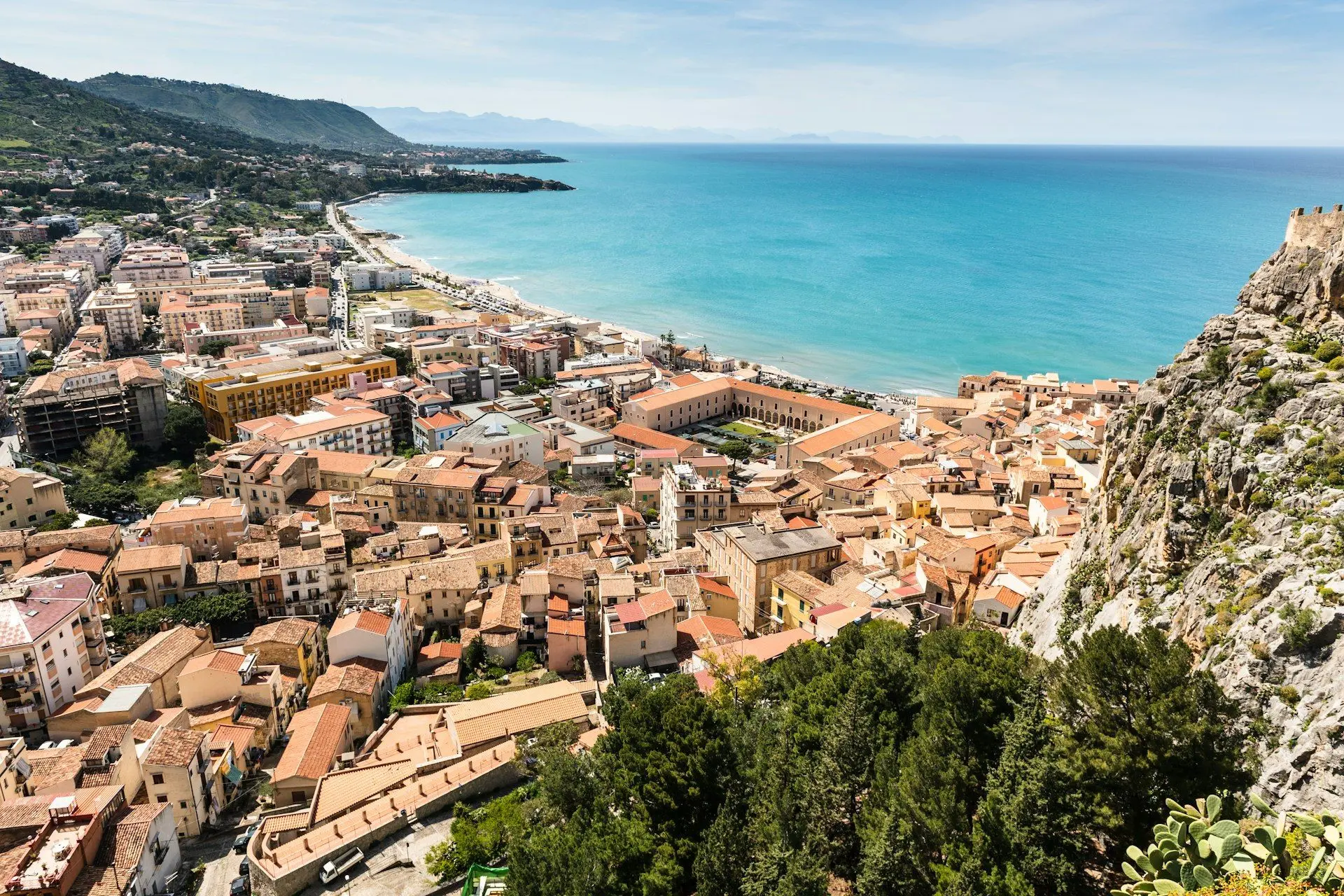
Cefalù began as a fishing village, and the little harbour below the old town still shows it. Oily fish such as sardines sit at the heart of many Palermo-area dishes you will find here, especially through the warmer months.
Pasta con le sarde
One of the signature dishes of the Palermo area, officially listed as a traditional Italian food product. It combines fresh sardines, wild fennel, onion, salted anchovies, raisins, pine nuts and saffron, usually with bucatini, and is topped with toasted breadcrumbs instead of cheese. The Palermo version is "white", without tomato. It is mostly made between March and September, when fresh sardines and wild fennel are in season.
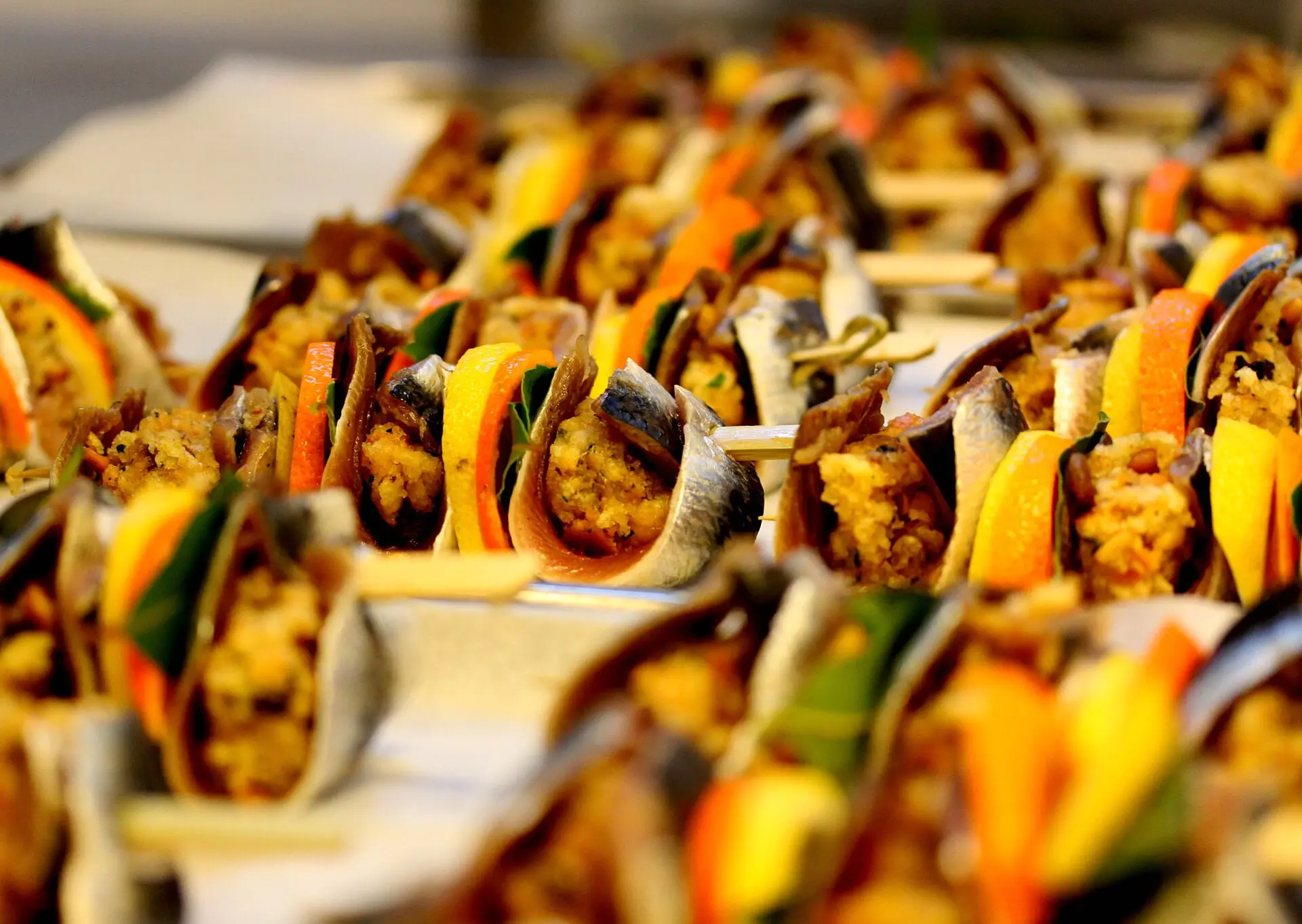
Sarde a beccafico
Butterflied sardines rolled around a filling of breadcrumbs, garlic, parsley, pine nuts, raisins and orange juice, then baked with bay leaves. The name refers to the beccafico, a small stuffed bird that was once a luxury for the nobility; sardines, with their tails sticking up, became the everyday version. In the Palermo style they are often served at room temperature.
The catch of the day
Beyond the classic recipes, always ask what is fresh. Grilled, baked or poached fish, raw platters and mixed fry change with what the boats bring in. Our advice is to let the people serving you guide you, rather than arriving set on one particular dish.
Street food: arancine, panelle and sfincione
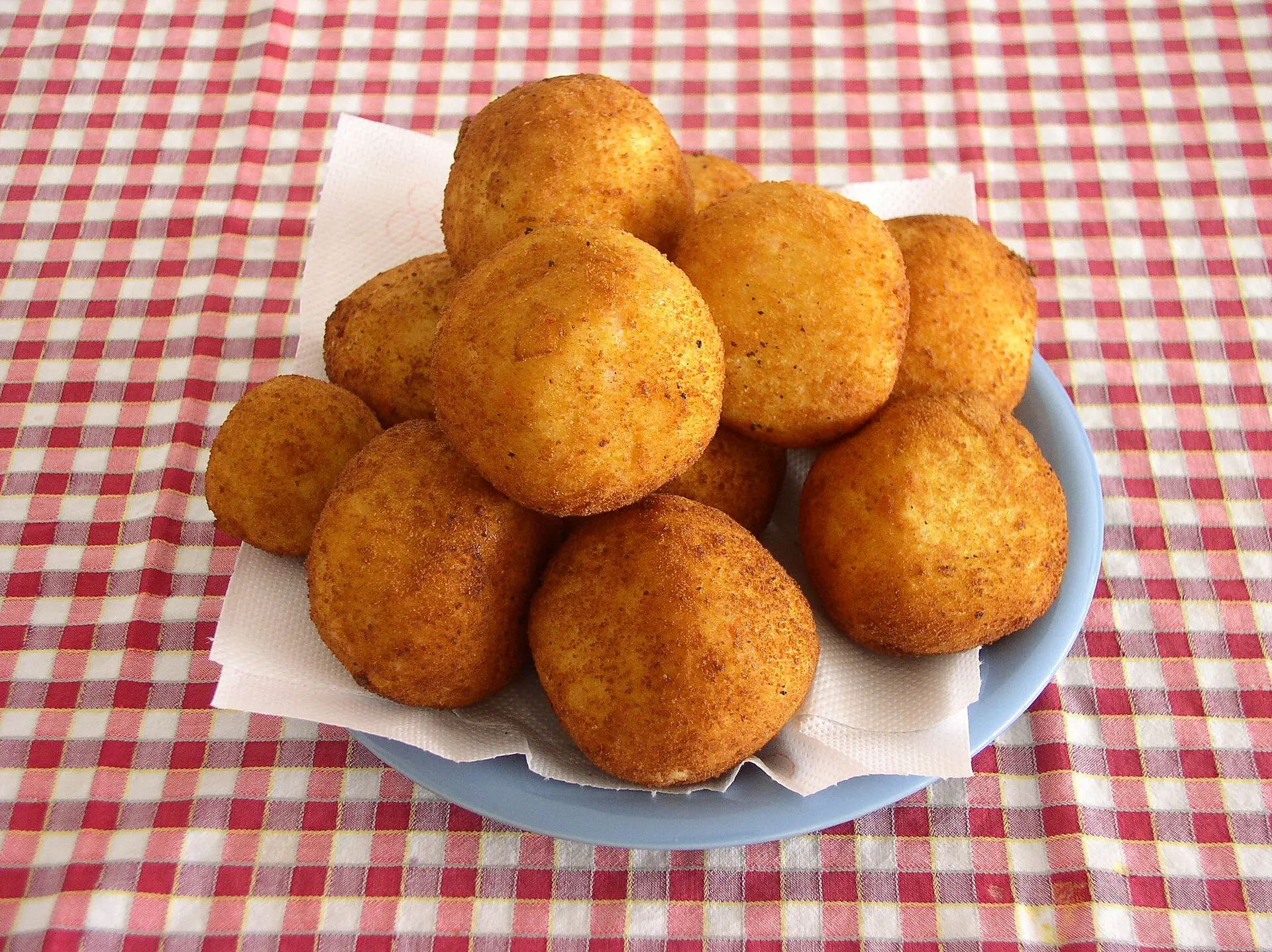
Cefalù is under an hour from Palermo and has inherited its street food. Arancine, feminine here as in the rest of western Sicily (in the east they say arancini), are fried, filled rice balls, the classics being meat ragù or ham and cheese. Panelle are thin chickpea fritters eaten in a soft bread roll, often with potato croquettes. Sfincione is a thick, airy focaccia topped with tomato sauce, onion, anchovies, oregano and cheese.
These recipes were born in Palermo, where people eat them standing up in the historic markets. In Cefalù you will find them at rosticcerie, bakeries and fry shops, and an arancina on the go makes an ideal lunch on a beach day.
Granita, cannoli and cassata: Sicilian sweets
A summer breakfast in Sicily means granita with a brioche col tuppo, the soft bun with a little topknot. Granita is made from water, sugar and fruit, or coffee, cocoa or nuts, stirred as it freezes until it turns grainy and creamy. Almond, lemon, coffee and mulberry are the favourites: you dip the brioche in and carry on until lunchtime.
Cannoli
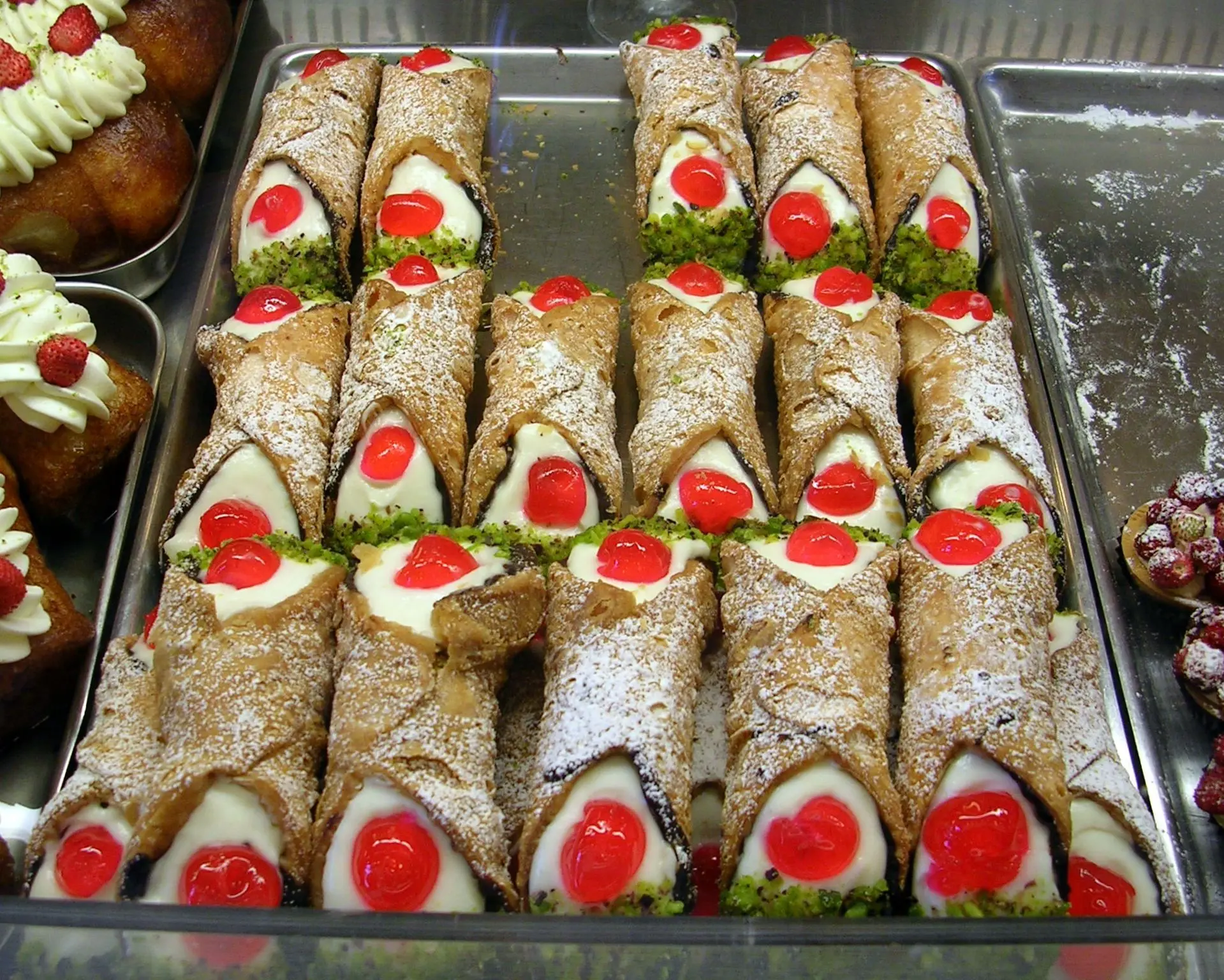
A crisp fried pastry tube filled with sieved, sweetened sheep's ricotta, sometimes with candied fruit or chocolate chips and a dusting of icing sugar. Originally a Carnival treat, they are now made all year. A tip from us: choose one filled to order, so the shell stays crunchy.
Cassata
Sweetened ricotta, sponge cake, marzipan and candied fruit: cassata is the Sicilian Easter cake, rooted in the convent traditions of Palermo, though pastry shops sell it in other months too, whole or as a single portion.
Produce from the Madonie mountains
Behind the coast rise the mountains of the Madonie Park, and a good deal of what you eat in Cefalù comes from there. Manna is the sap collected in summer, between July and August, by cutting the bark of ash trees. Today it is produced mainly in Castelbuono and Pollina and is protected as a Slow Food Presidium. It is used as a natural sweetener and in pastries.
Provola delle Madonie is a stretched-curd cheese made mainly from raw cow's milk, sometimes with some sheep's milk, with a distinctive flask shape, and is also a Slow Food Presidium. In autumn the woods produce mushrooms, including the prized ferla mushroom, which appear in mountain village kitchens alongside cured meats, chestnuts and wild greens. A day in the Madonie villages is one of the day trips from Cefalù we recommend most to anyone who travels for food.
Olive oil, citrus and local wine
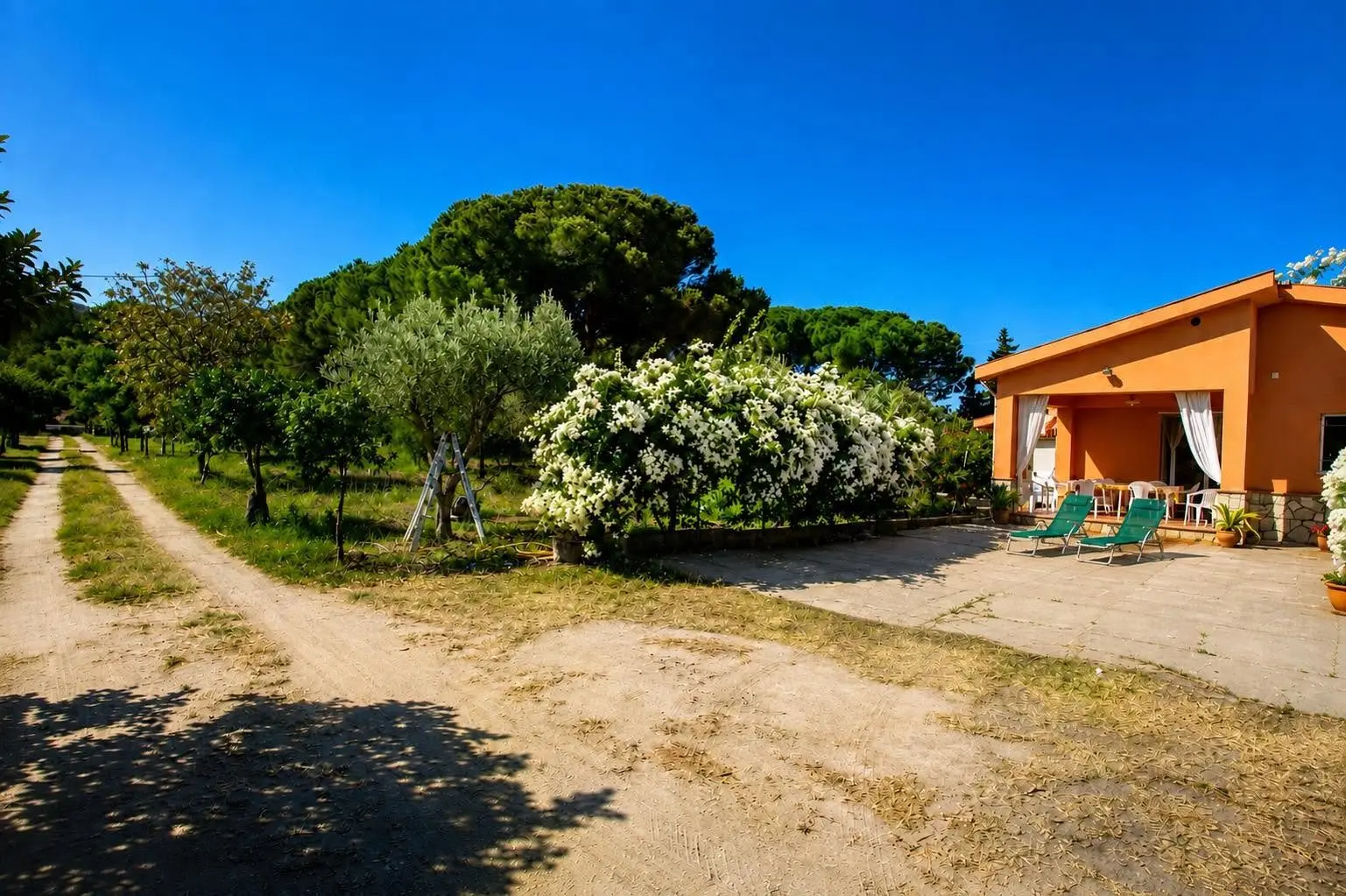
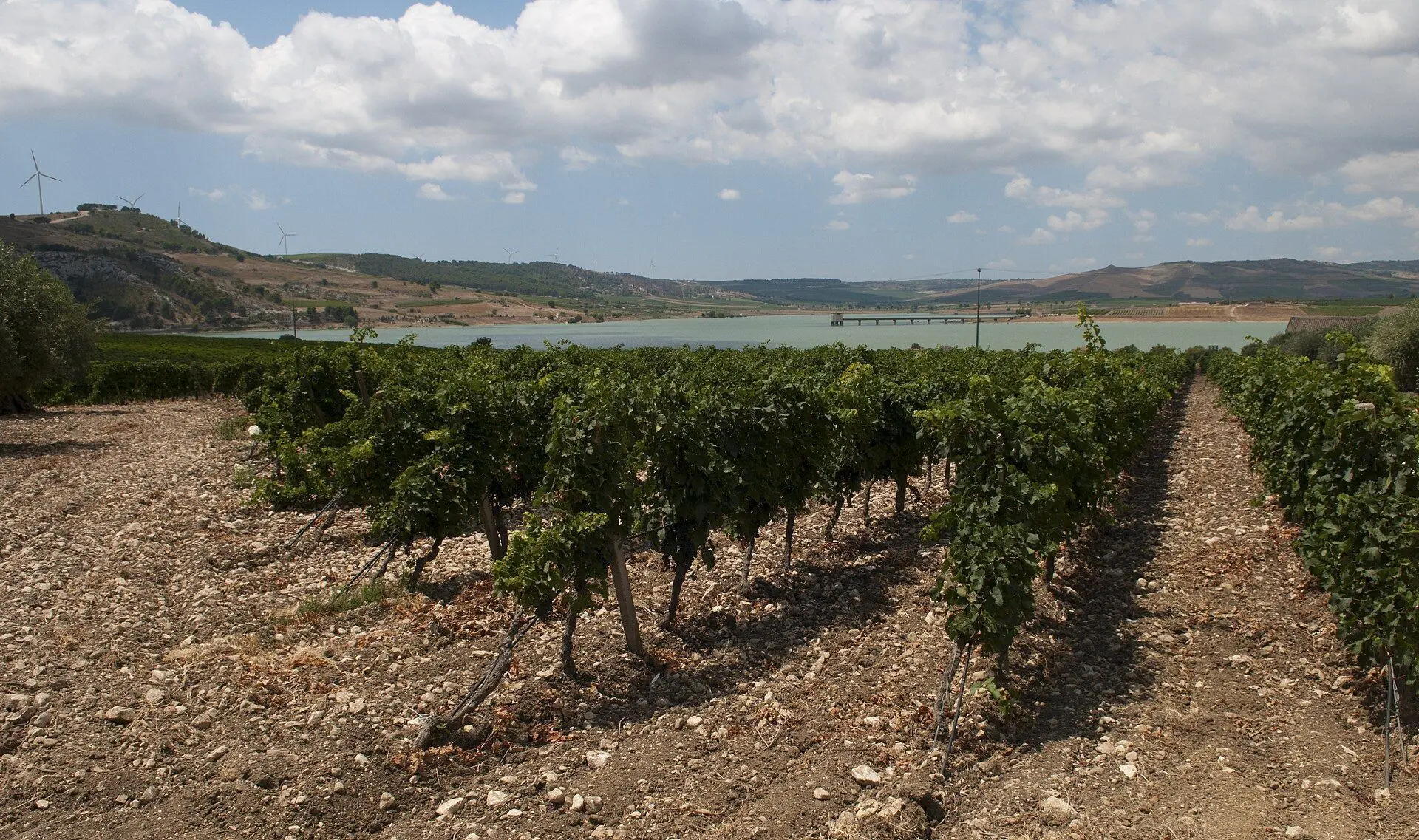
Extra virgin olive oil goes on everything. The province of Palermo falls within the Val di Mazara PDO, based on varieties such as Biancolilla, Nocellara del Belice and Cerasuola, though every local family has its own trees and its own favourite oil. Citrus is the other constant: oranges, lemons and mandarins end up in salads, desserts and even the sardine stuffing.
For wine, there is no need to hunt for famous labels. Sicily makes excellent whites from native grapes such as Grillo, Catarratto and Inzolia, reds based on Nero d'Avola, and sweet wines to go with dessert. Ask for a Sicilian house wine or for a pairing suggestion; with fish, a crisp white usually wins.
From our estate: limoncello, preserves and jams
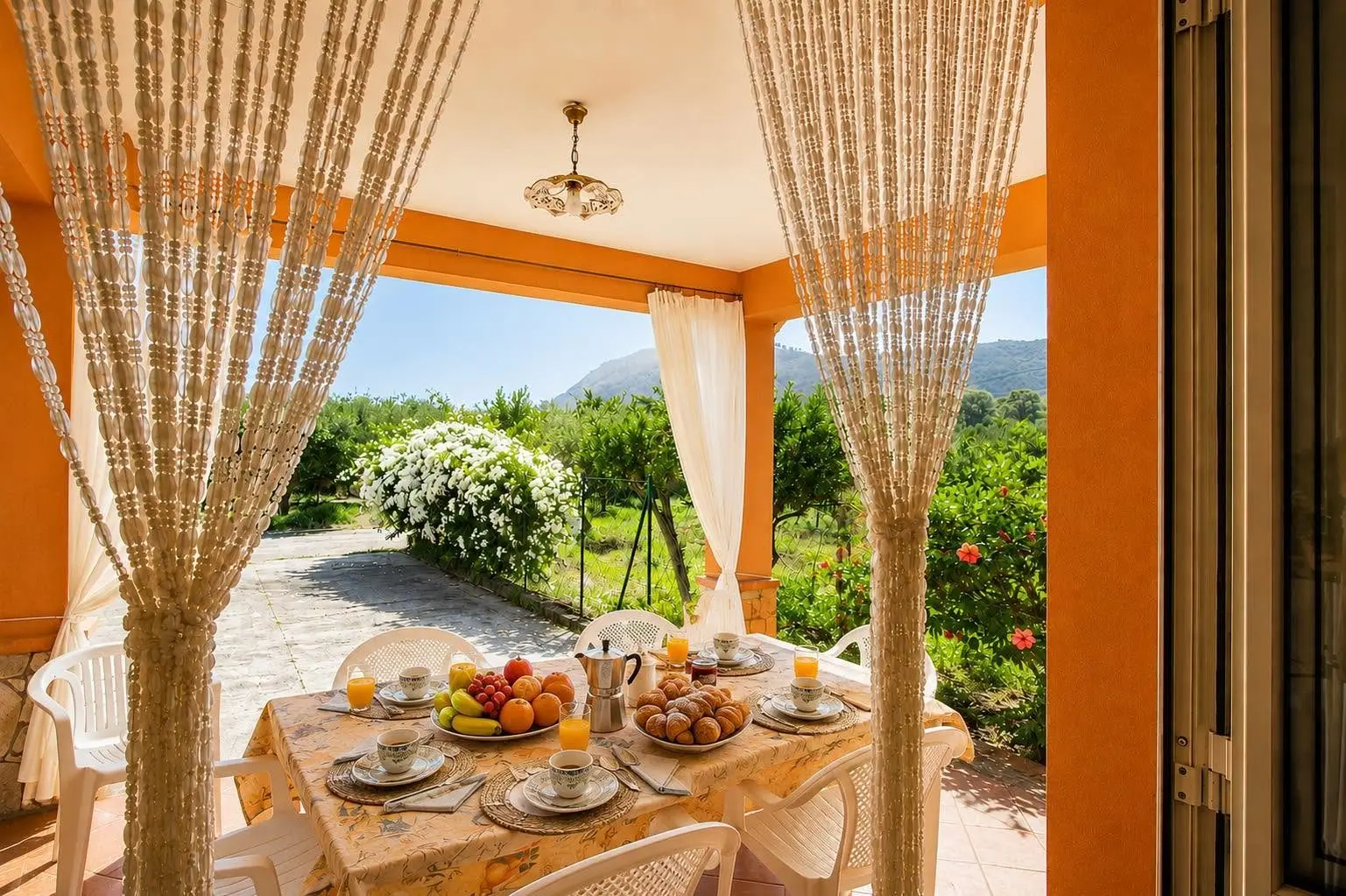
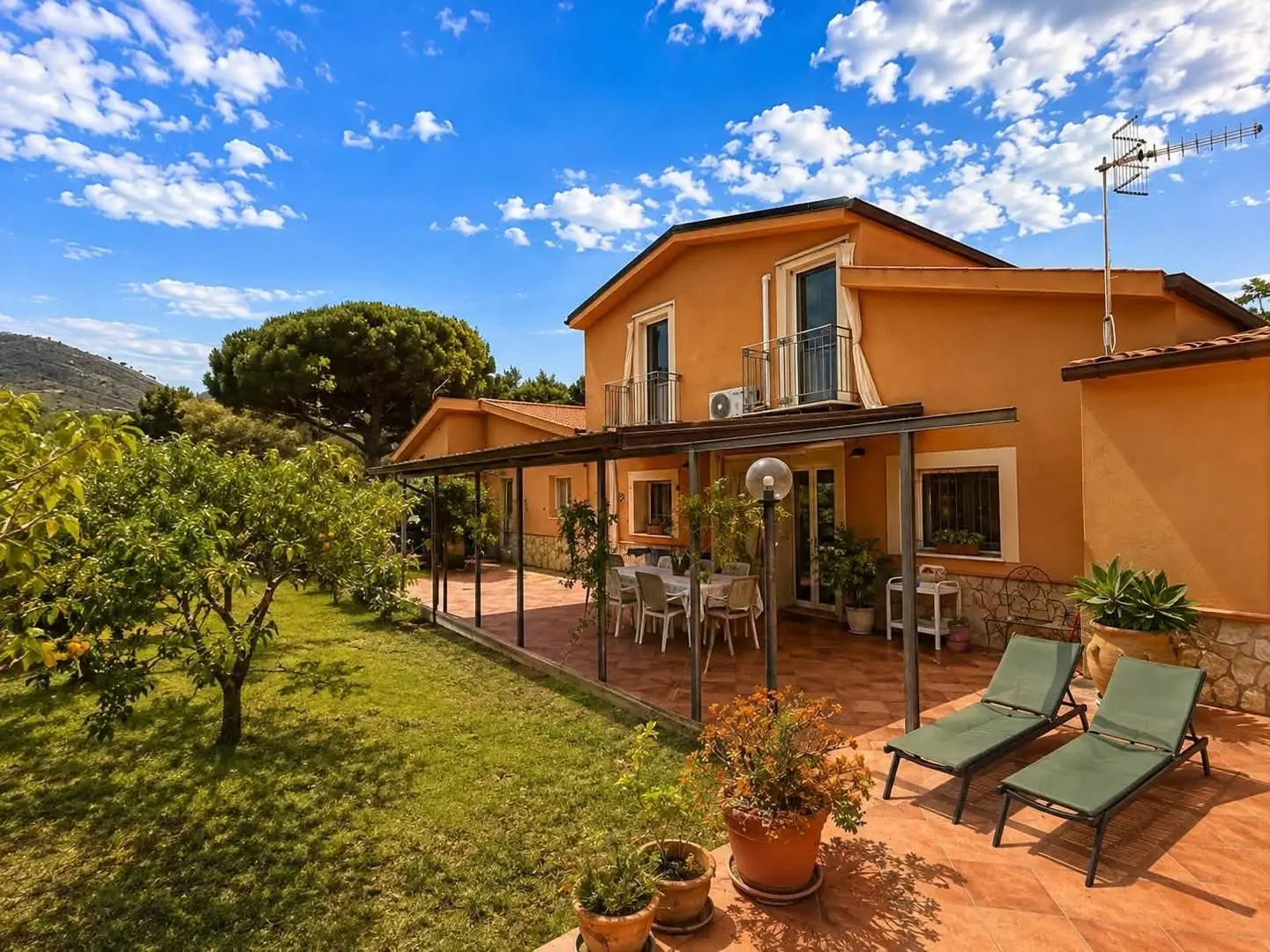
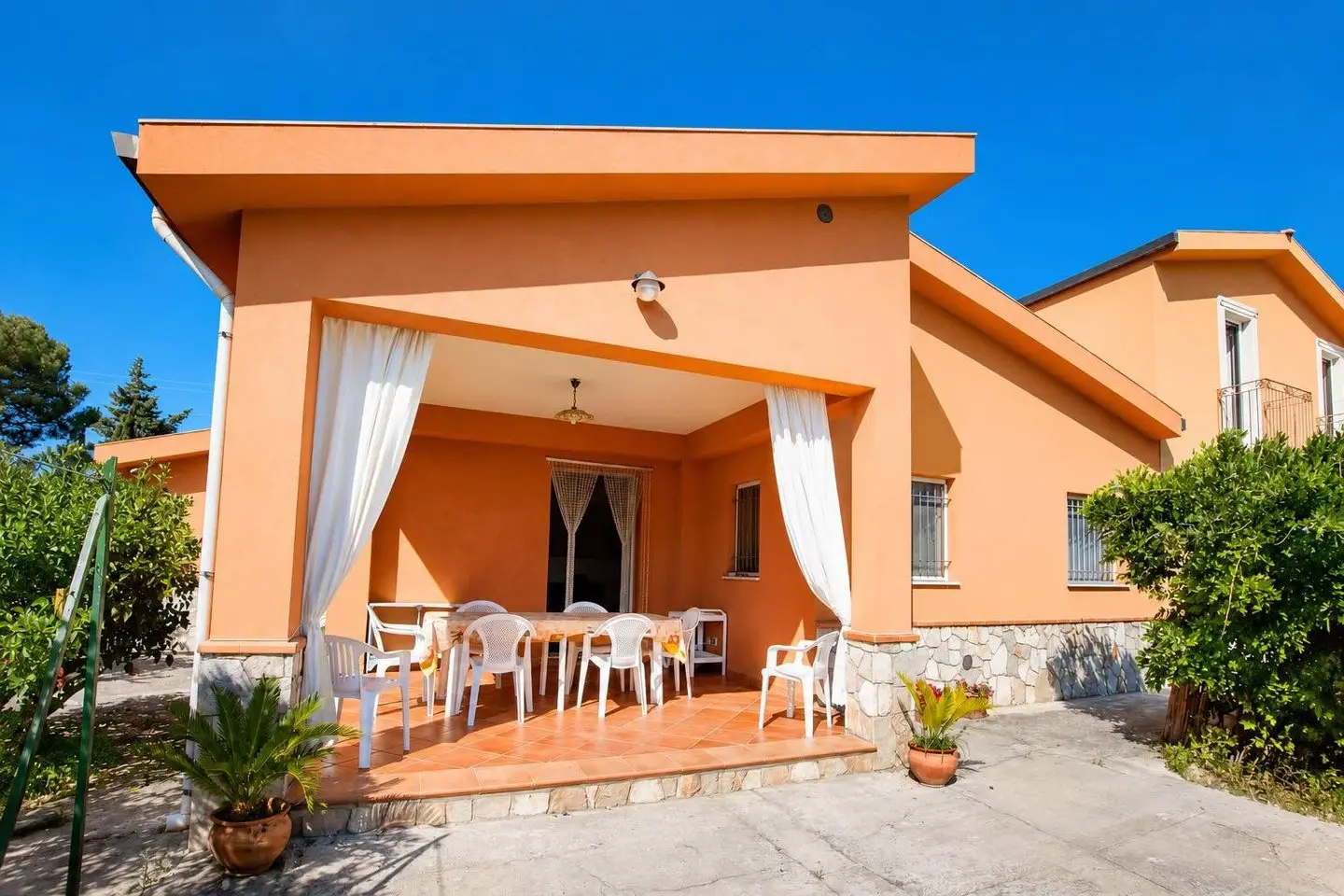
The Villa dei Mandarini and the Villa dei Limoni stand on our family estate, 13,000 square metres of citrus and olive trees in Contrada Salinelle. With the fruit we pick, we make limoncello, preserves and jams, and we are always happy to share them with our guests. It is the simplest way we know to give you a taste of Sicily as soon as you arrive, before you even head out for dinner.
Meal times and markets: practical tips
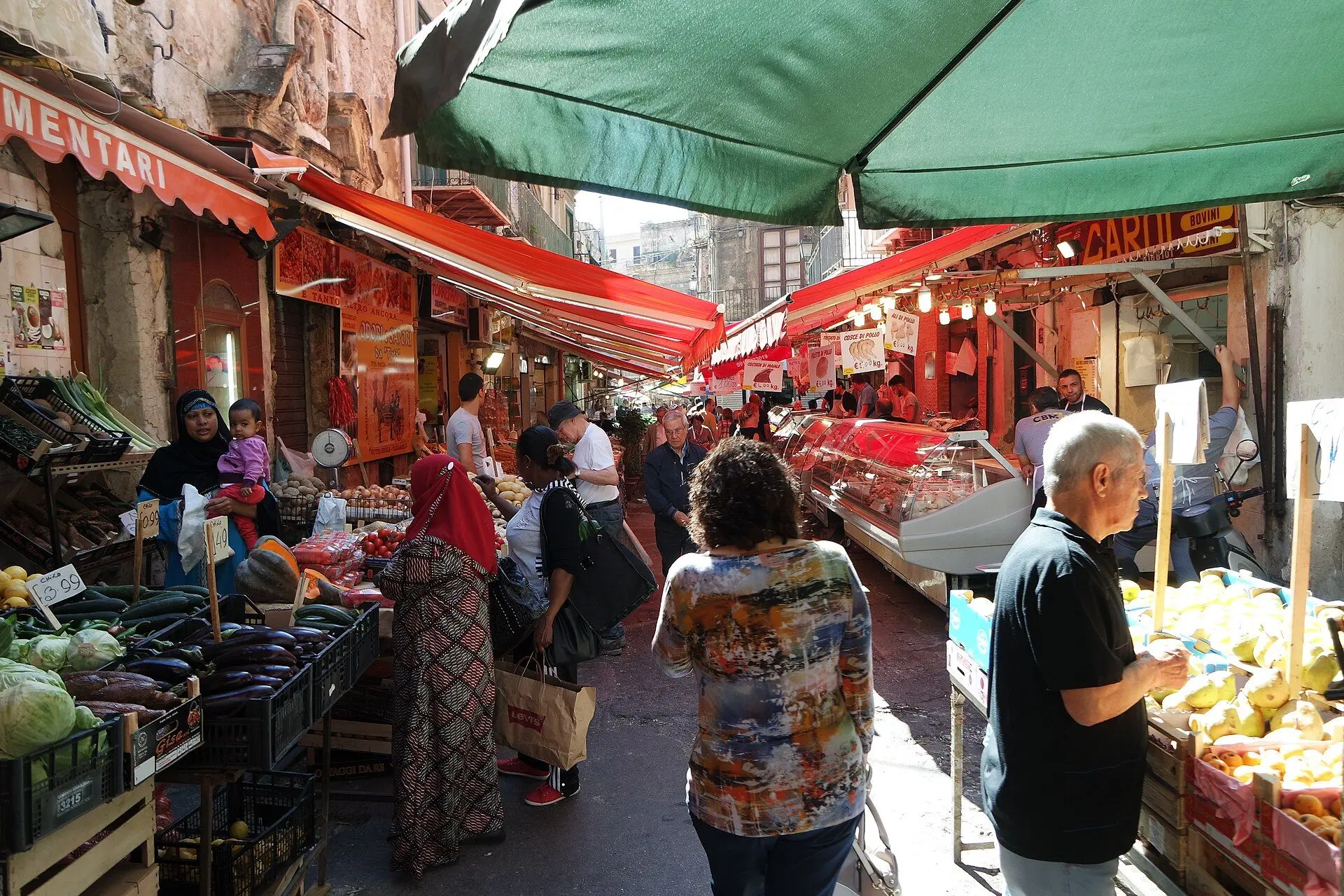
Sicilians eat later than people in the UK, Germany or Scandinavia. Lunch runs roughly from 1pm to 3pm, dinner rarely starts before 8pm and in summer it goes on late into the evening. Many kitchens close in the afternoon, so if you are hungry mid-afternoon, rosticcerie and cafés are your friends. In summer and at weekends, booking a table for dinner is a good idea.
For self-catering, the area has fishmongers, greengrocers with seasonal produce and weekly village markets selling fruit, vegetables and cheese at fair prices. Days and locations vary, so just ask us before you go. Guests at the Casa del Duomo have the whole old town on their doorstep, and if you want to combine food with sightseeing, our guide to things to do in Cefalù has plenty of ideas.
For where to sit down and eat, we have gathered the best restaurants in Cefalù according to the MICHELIN Guide and Gambero Rosso.