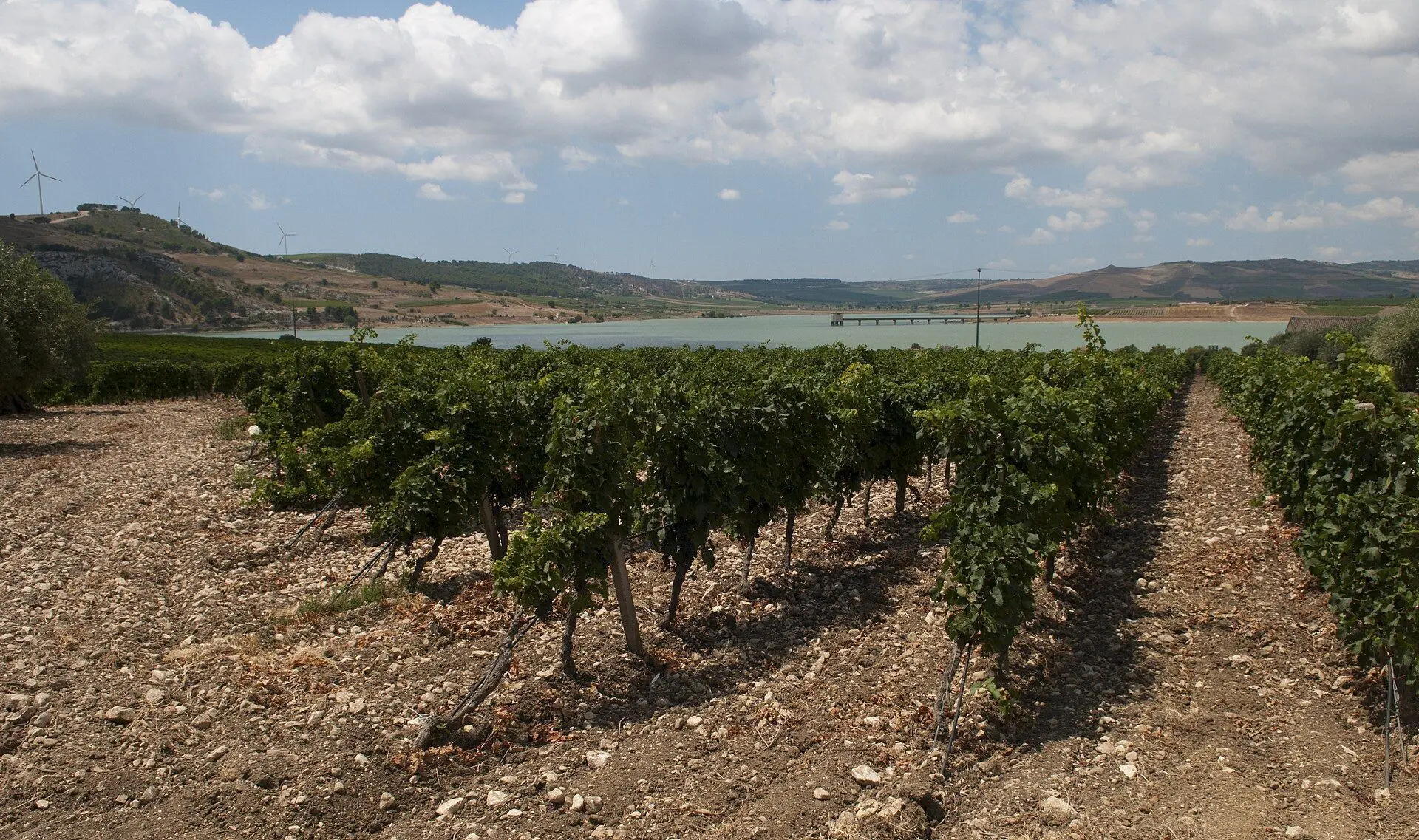
Sicilian wines come up in almost every conversation we have with guests, usually on the first evening, over a bottle picked up at the supermarket with no real idea of what was inside. This guide covers the grapes worth recognising on a label, the denominations that actually matter, what to drink with the local food and how to plan a winery visit from Cefalù.
By Alessandra, Giuseppe and Salvatore Livecchi · updated October 2026 · 6 min read
Native grapes behind Sicilian wines
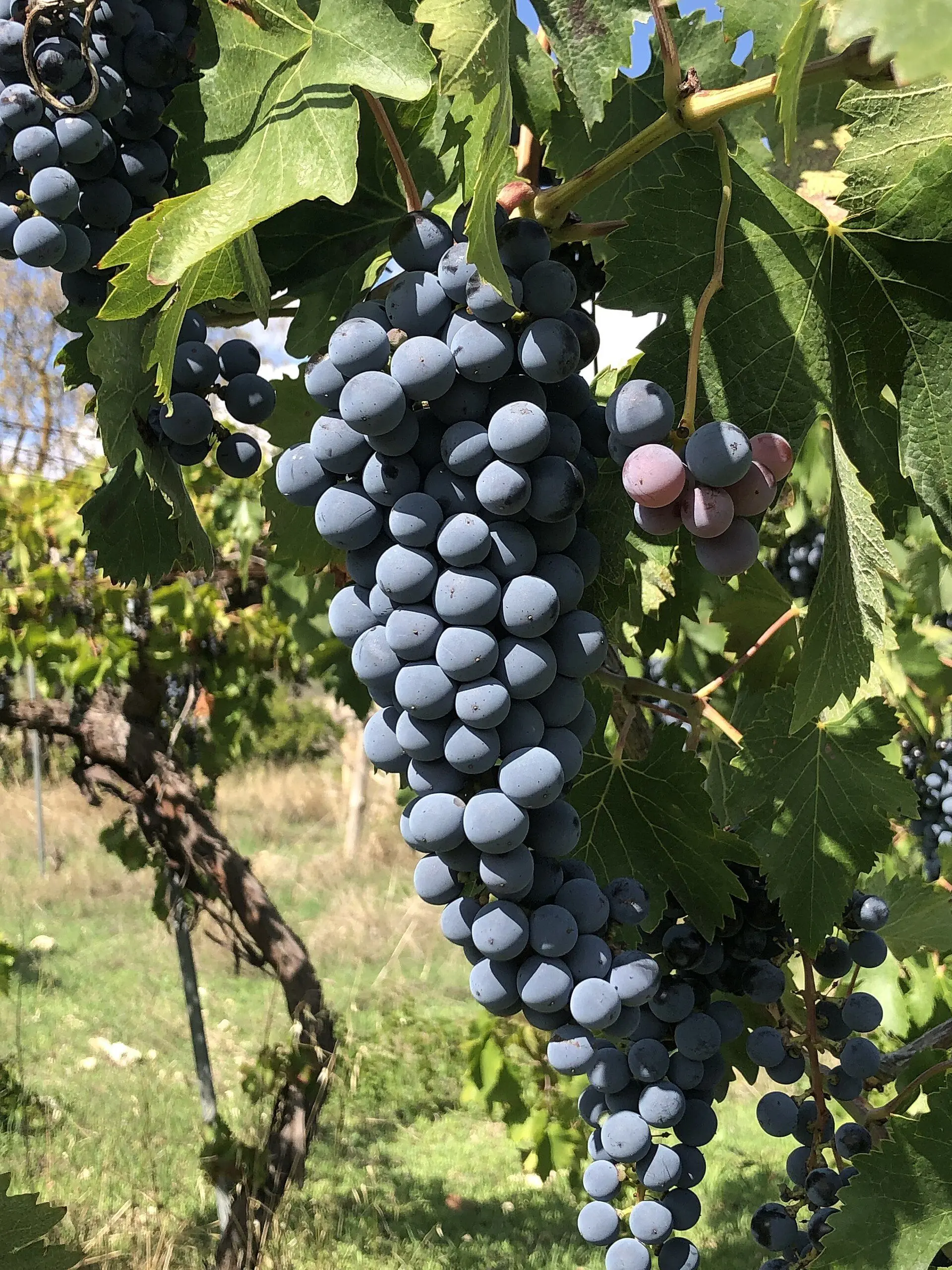
Sicily grows international varieties too, but the real reason to drink wine here is its native grapes. Learn four or five names and you will find your way around any wine shop or wine list on the island.
Reds: Nero d'Avola, Frappato, Nerello Mascalese
Nero d'Avola takes its name from the town of Avola, in the province of Syracuse, and is the island's signature red grape. It makes deeply coloured wines with cherry, plum and spice on the nose, warm and soft in the mouth.
Frappato is the opposite: light, fragrant and full of fresh fruit, grown mainly around Vittoria in the province of Ragusa. In summer it is lovely served slightly chilled. Nerello Mascalese is named after the Mascali plain on the eastern side of Etna and is the grape behind the volcano's reds, paler and more taut and mineral than most people expect from southern Italy.
Whites: Grillo, Catarratto, Inzolia
Catarratto is the most widely planted grape in Sicily, giving fuller-bodied whites with lemony notes. Grillo, long tied to Marsala and the Trapani area, copes well with heat and now makes crisp, savoury dry whites that are ideal with fish. Inzolia, known in Tuscany as Ansonica, has a gently nutty aroma and also goes into Marsala as well as many everyday whites.
Aromatic grapes: Zibibbo and Malvasia
Zibibbo, the Sicilian name for Muscat of Alexandria, is the grape of Pantelleria, while Malvasia belongs to the Aeolian Islands. Both are best known for sweet wines made from dried grapes, but you will also find dry, very aromatic versions that work well as an aperitivo by the sea.
Reading the label: Sicilia DOC and other denominations
The label you will see most often is Sicilia DOC, created in 2011 to replace the previous regional designation. It covers the whole island, including the hills around Cefalù, and allows a wide range of native and international grapes. Since the 2017 vintage, wines naming Grillo or Nero d'Avola on the label can only be bottled as DOC rather than as IGT Terre Siciliane, which is a useful sign of origin when you are shopping.
Sicily has just one DOCG, the top tier of Italian wine law: Cerasuolo di Vittoria. On top of that there are more than twenty DOCs, some of them very small. For the official background, see the Sicilia DOC consortium.
Sicilian wine regions worth knowing
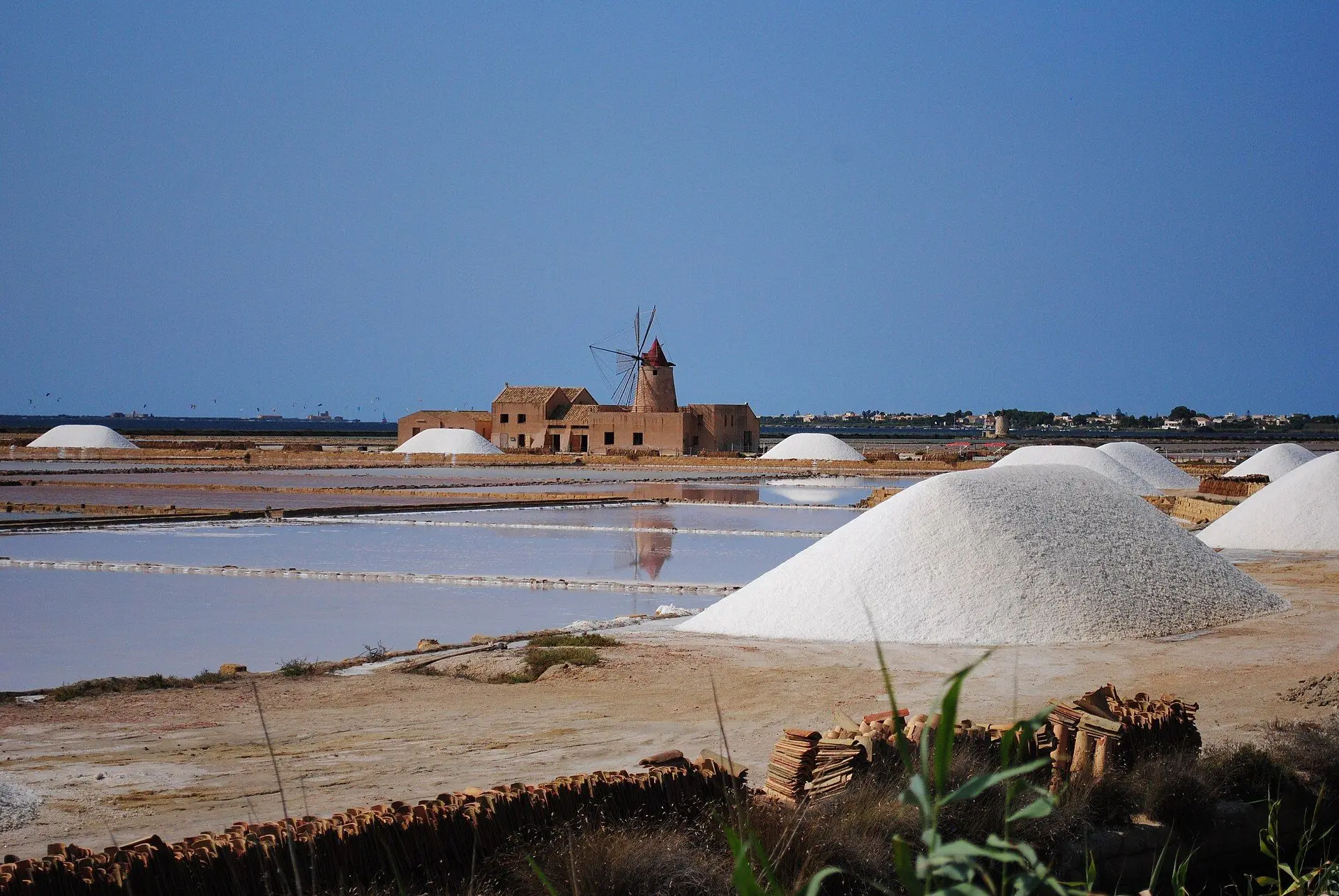
There is no need to learn them all. These five give a good sense of the island's range, from the reds of the south-east to the sweet wines of the smaller islands.
Cerasuolo di Vittoria DOCG
Sicily's only DOCG since 2005, produced across the provinces of Ragusa, Caltanissetta and Catania. It is a red blend of Nero d'Avola, between 50 and 70 per cent, with Frappato making up the rest: the first brings body, the second freshness and perfume. There is also a Classico version from the historic heartland, aged for longer.
Etna DOC
Recognised in 1968, Etna is one of Italy's oldest denominations. The red is at least 80 per cent Nerello Mascalese, with Nerello Cappuccio; the white at least 60 per cent Carricante, often with Catarratto. The vineyards climb the volcano's slopes to altitudes that are unusually high for Sicily. The local consortium has been working towards DOCG status for some time.
Marsala DOC
Marsala is a fortified wine that owes its international success to John Woodhouse, a Liverpool merchant who landed at Marsala in 1773. The golden and amber styles are made from Grillo, Catarratto, Inzolia and Damaschino, the ruby style from red grapes such as Perricone and Nero d'Avola. Styles range from Fine, aged for at least a year, to Vergine, aged for at least five.
Malvasia delle Lipari DOC
Made on the Aeolian Islands, in the province of Messina, from Malvasia with a small share of Corinto Nero. It comes as a natural wine, as a passito made from grapes dried in the sun on reed mats, and as a fortified liquoroso.
Pantelleria DOC
The island of Pantelleria gives us Moscato and Passito di Pantelleria, both from Zibibbo. In 2014 UNESCO added the island's traditional bush-vine growing, the vite ad alberello, to its list of Intangible Cultural Heritage, the first agricultural practice to be recognised in this way, as the Pantelleria National Park explains.
Wine near Cefalù: the Madonie and Contea di Sclafani
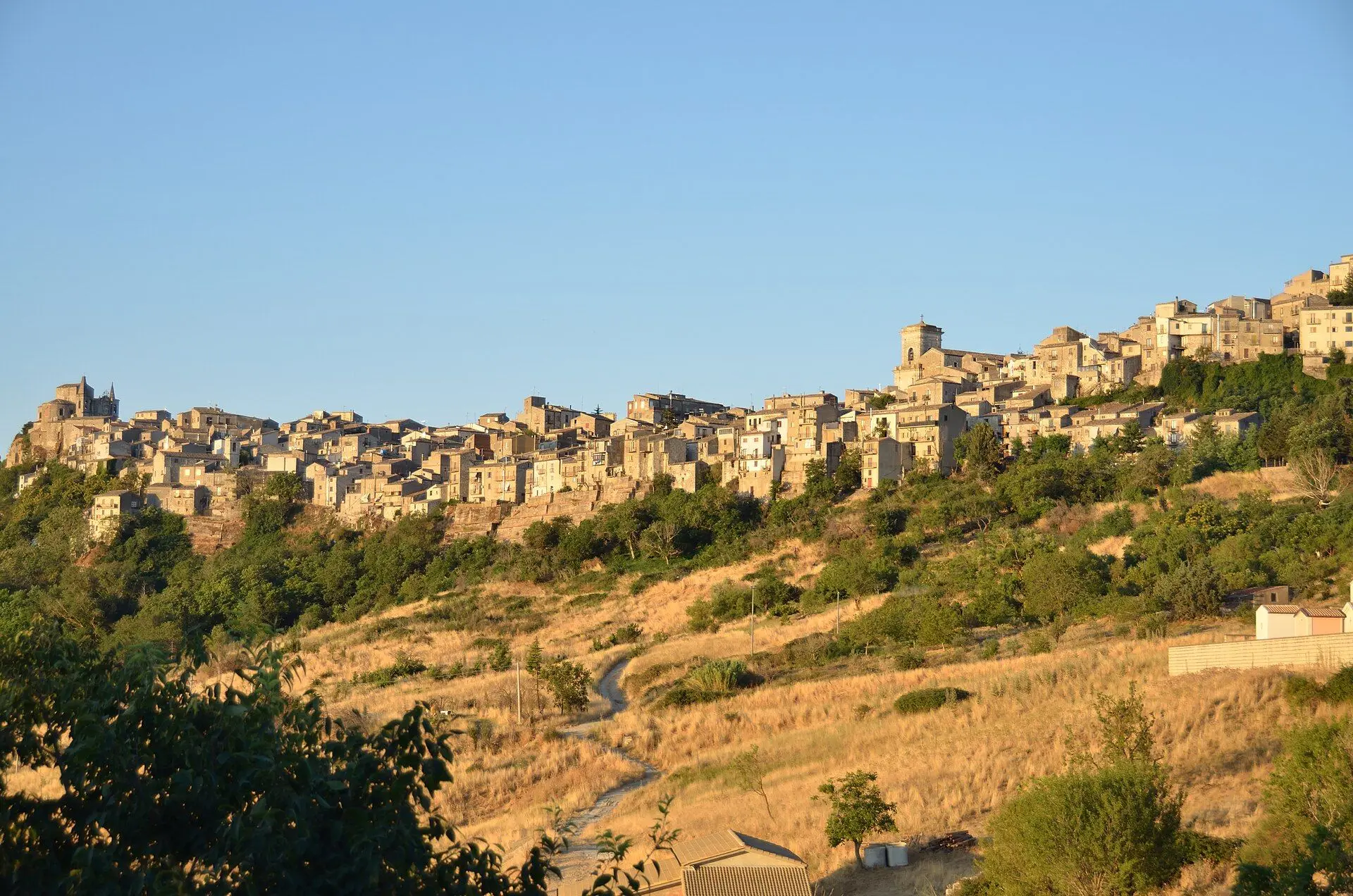
Cefalù has no denomination of its own, but the Madonie mountains and the hills of inland Palermo province behind it are home to a number of wine estates, some inside the Madonie Park. Wines from this area are often labelled Sicilia DOC.
The nearest local denomination is Contea di Sclafani DOC, now also known as Valledolmo-Contea di Sclafani, recognised in 1996. Its area stretches across the provinces of Palermo, Caltanissetta and Agrigento and includes the whole of towns such as Valledolmo, Caltavuturo, Alia and Sclafani Bagni, plus parts of Polizzi Generosa, Petralia Sottana and Cerda. Cefalù itself sits outside it, but many of these villages are an easy day out, and a winery visit pairs nicely with the hill towns in our guide to day trips from Cefalù.
What to drink with the food in Cefalù
With fish, sardines and raw seafood, go for a fresh white from Grillo, Catarratto or Inzolia, or an Etna Bianco if you like more acidity. Pasta con le sarde, with its raisins and saffron, is happy alongside a slightly fuller Grillo that can stand up to the sweetness in the dish.
Lightly chilled Frappato is our everyday summer red: it suits street food such as panelle and sfincione, and even fish cooked in tomato. For pasta a taianu, with its meat and pecorino, pick a Nero d'Avola or a Cerasuolo di Vittoria. With aged cheeses from the Madonie, try an Etna Rosso.
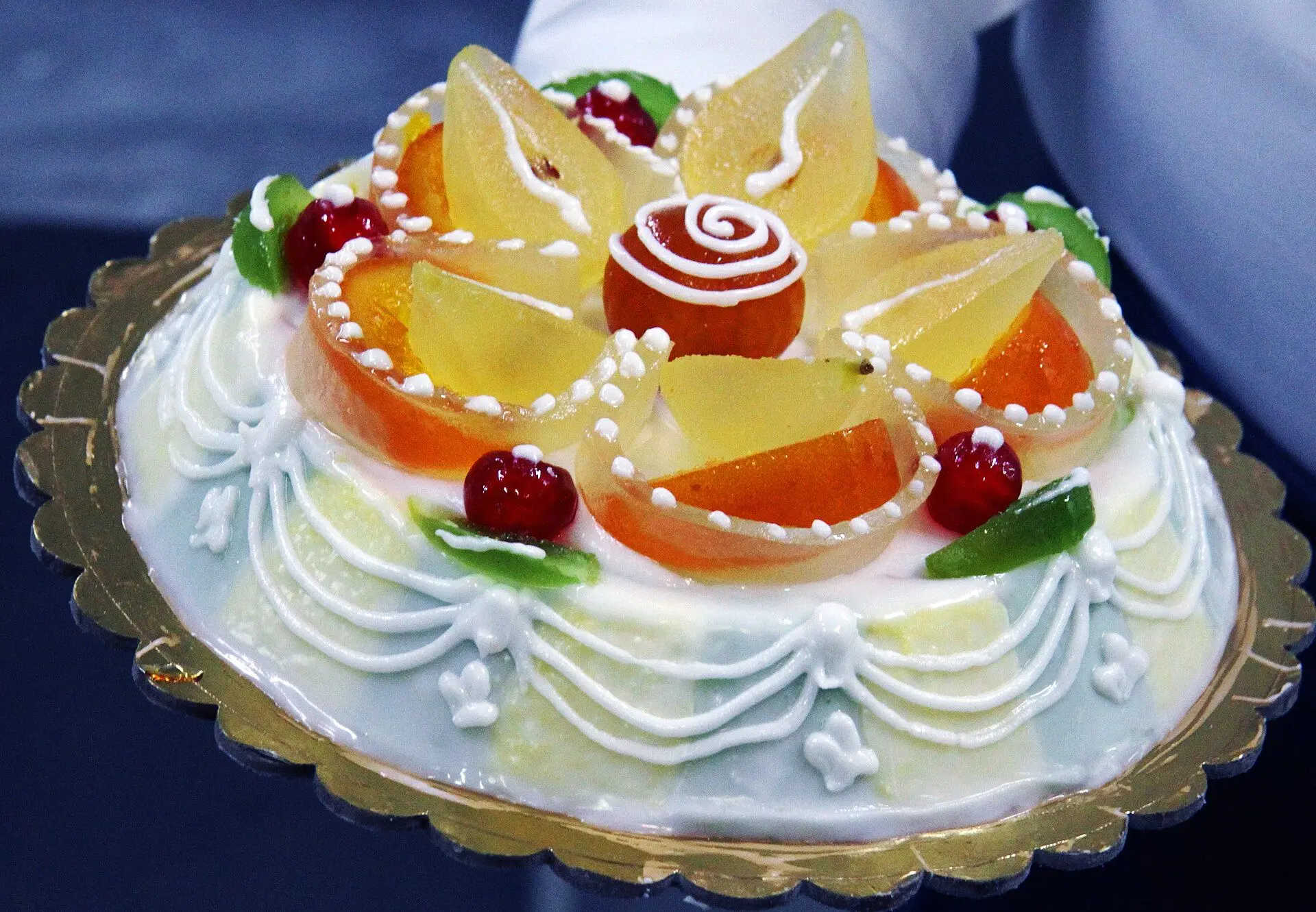
To finish, a Passito di Pantelleria or a Malvasia delle Lipari goes beautifully with cannoli, cassata and almond biscuits. You will find the dishes to match in our guide to what to eat in Cefalù and in our piece on Sicilian desserts.
Visiting wineries in Sicily from Cefalù
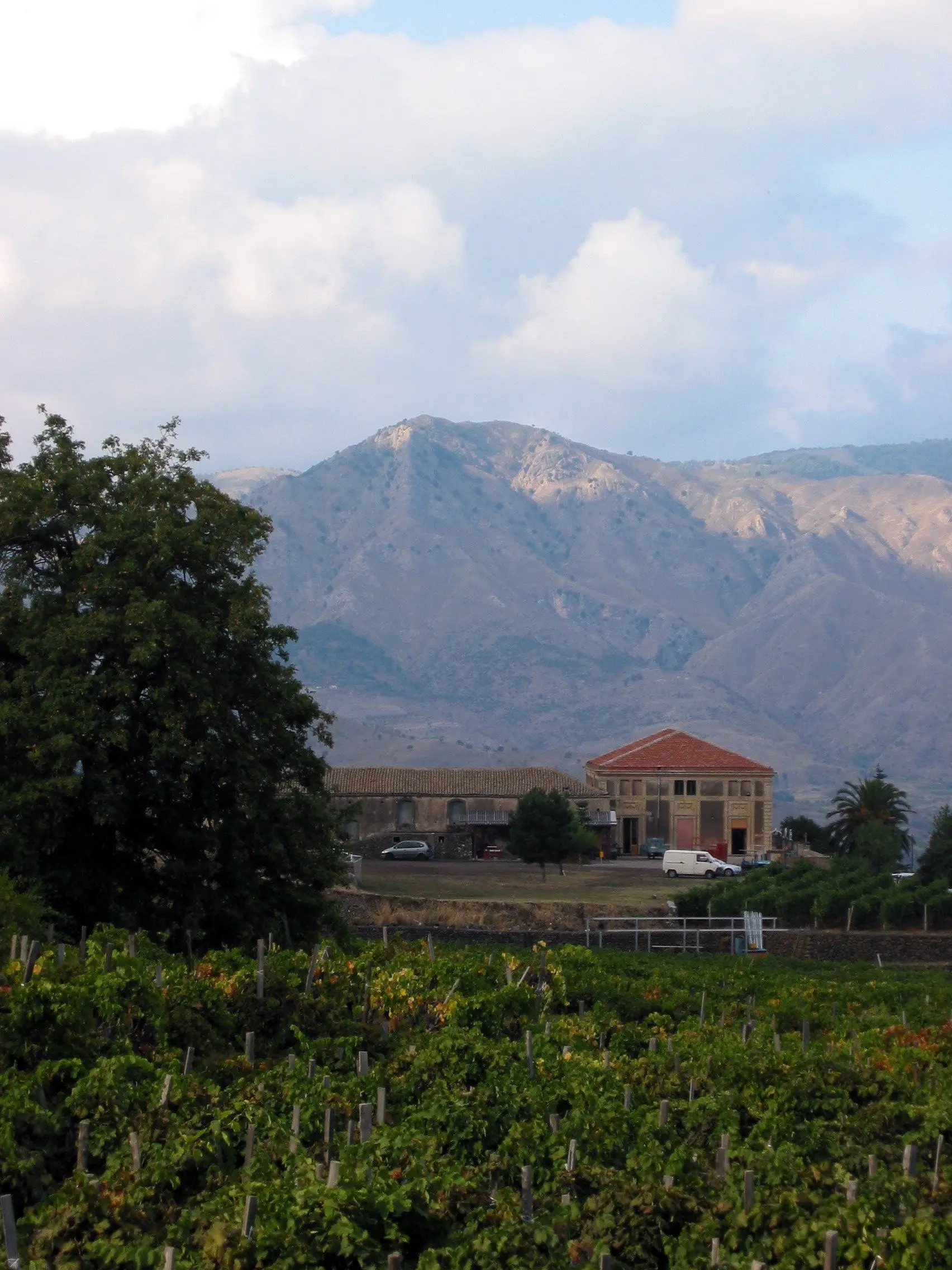
Almost all wineries take visitors by appointment only, with vineyard walks and guided tastings at set times. Email or phone a few days ahead, especially in summer and during the harvest, from late August to October, when producers are at their busiest.
Estates are nearly always out in the countryside and poorly served by public transport. If you want to taste properly, book a tour with a driver or agree on a designated driver: Italy's drink-driving limits are strict and checks are common. Wineries in the Madonie and inland Palermo province are the most practical for a half-day trip, whereas Etna, Vittoria or Marsala are better as a full day out or with an overnight stay.
Each year, usually on the last weekend of May, the Movimento Turismo del Vino runs Cantine Aperte, when dozens of Sicilian estates open their doors to the public. Dates and participating wineries change every year, so check the programme before you go.
A glass at home before dinner
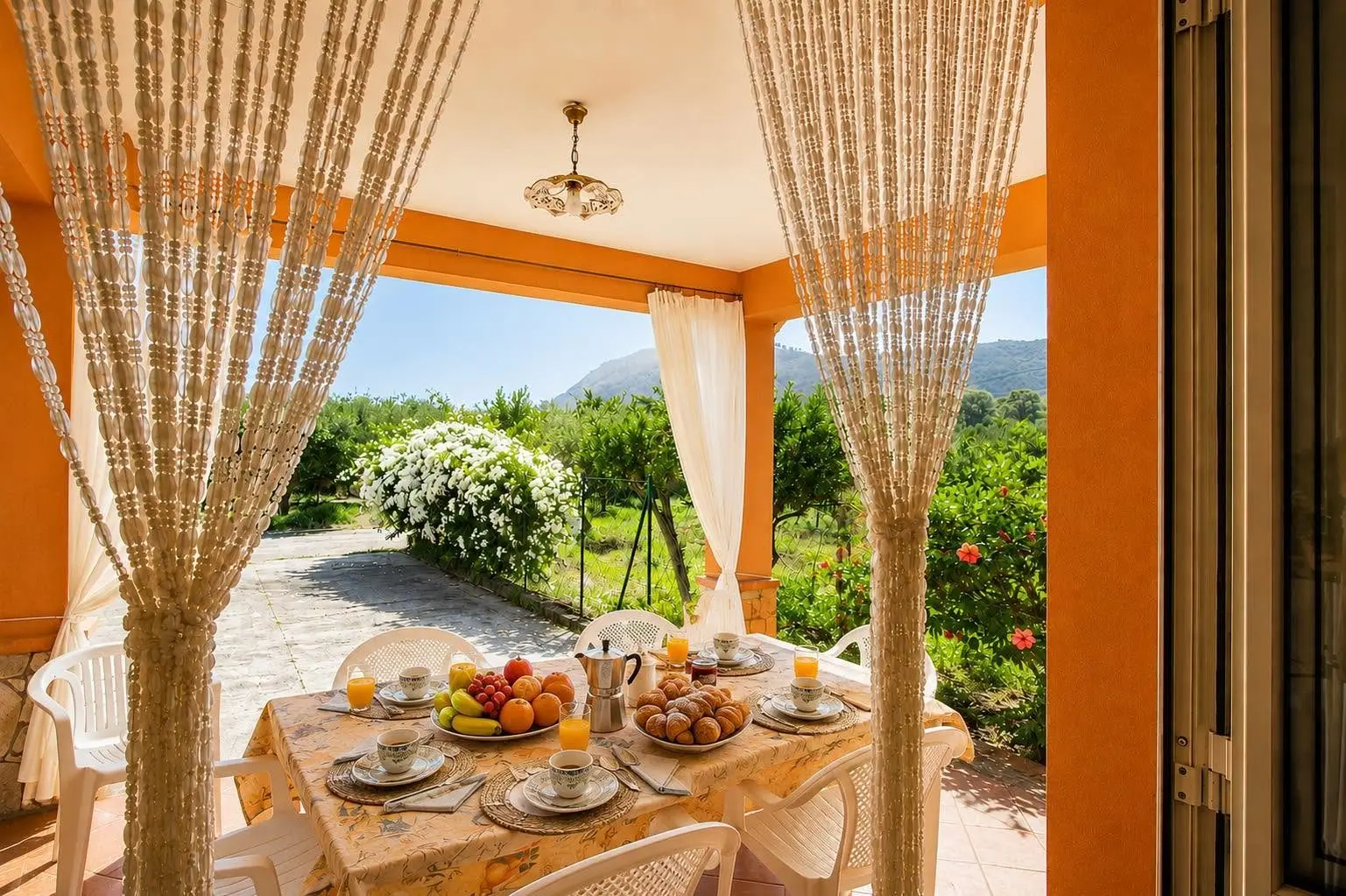
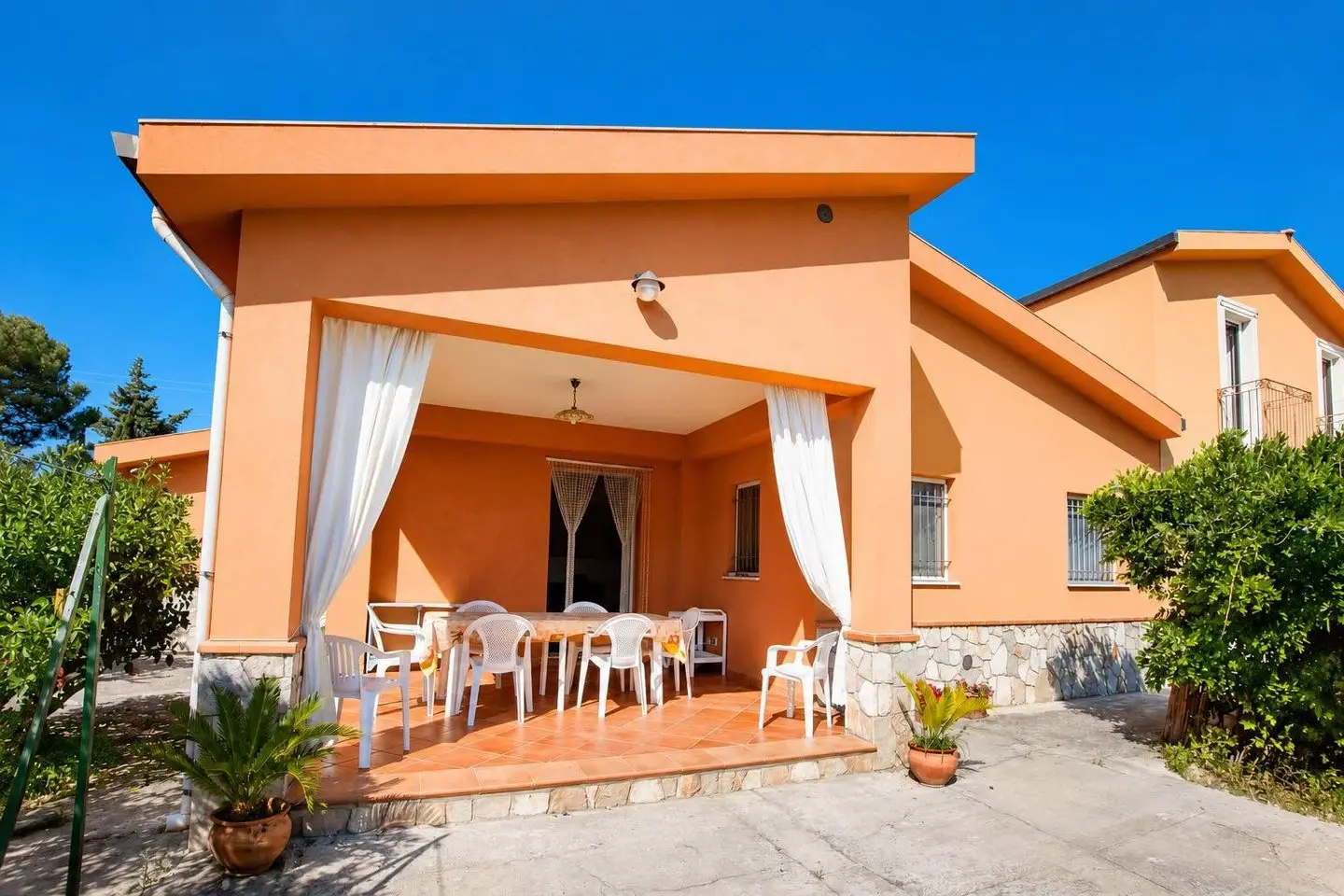
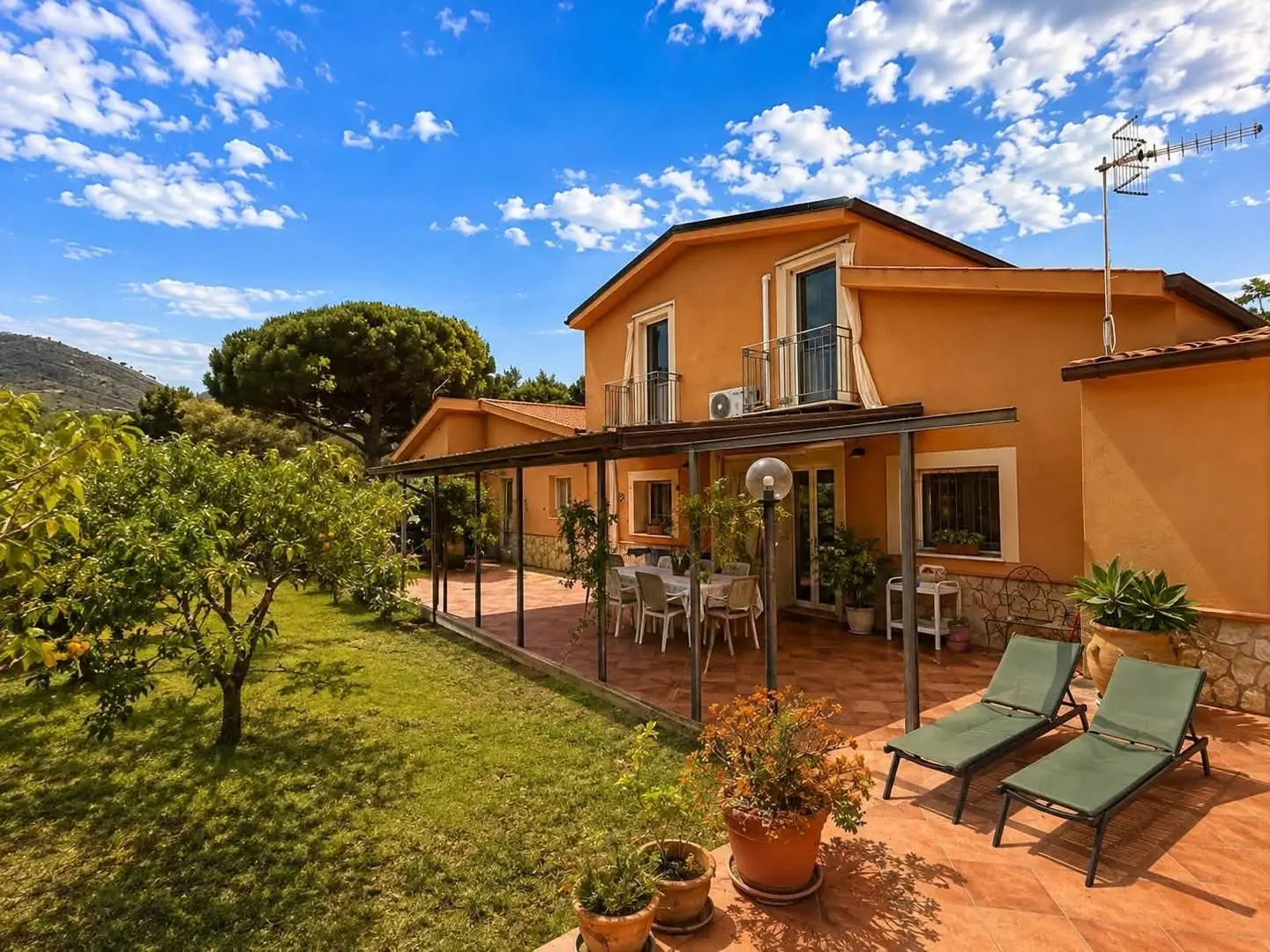
You do not have to go far to make a start. A chilled bottle of Sicilian white and a table outdoors are enough: the veranda at the Villa dei Limoni and the patio at the Villa dei Mandarini look over the citrus trees of our family estate, a short walk from Salinelle beach. Guests at the Casa del Duomo have the wine bars of the old town right on their doorstep.
When you are ready to sit down to dinner, have a look at our picks of the best restaurants in Cefalù. And if you would like a tip on a winery to visit, just ask us: we are happy to suggest something based on where you want to go and how much time you have.