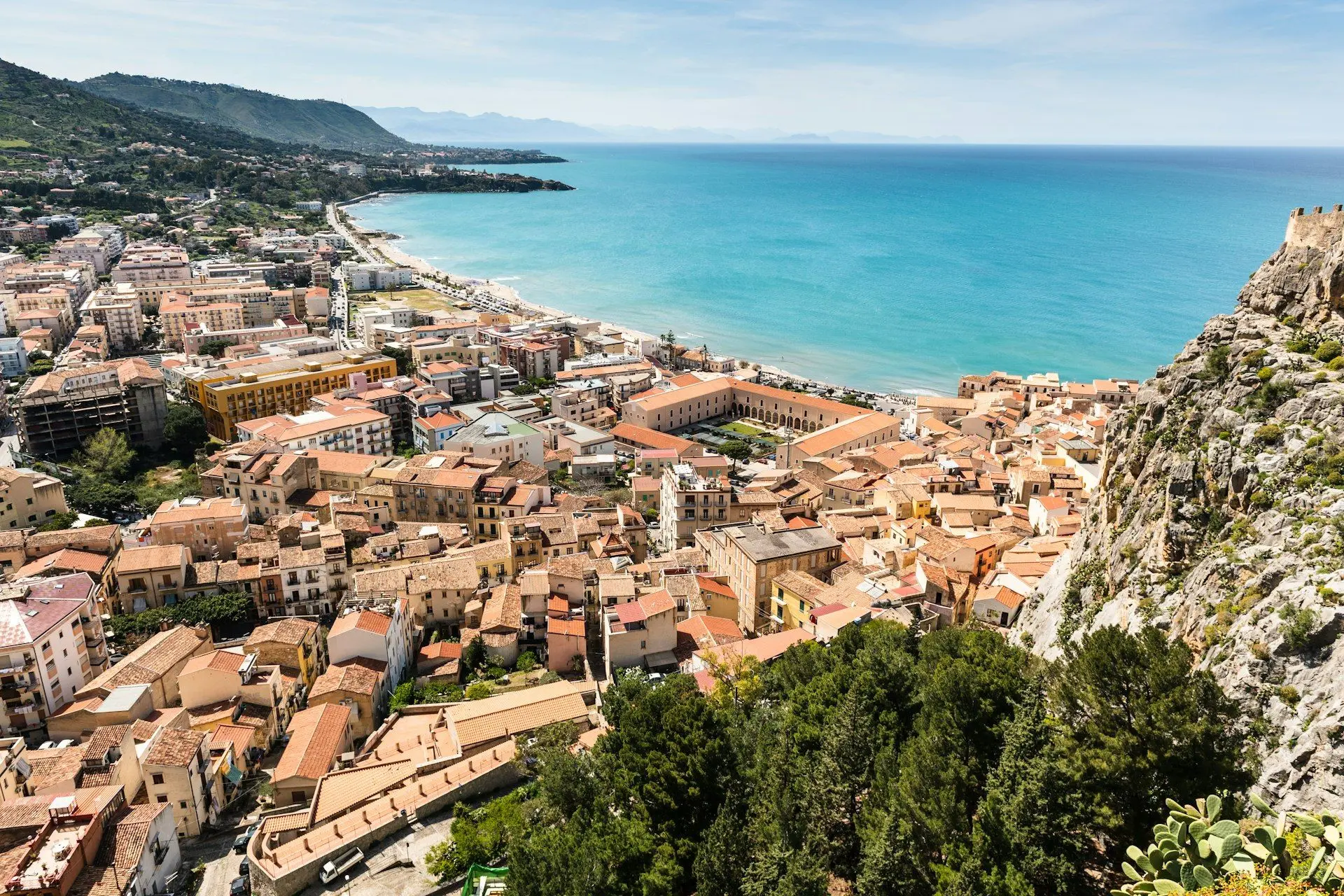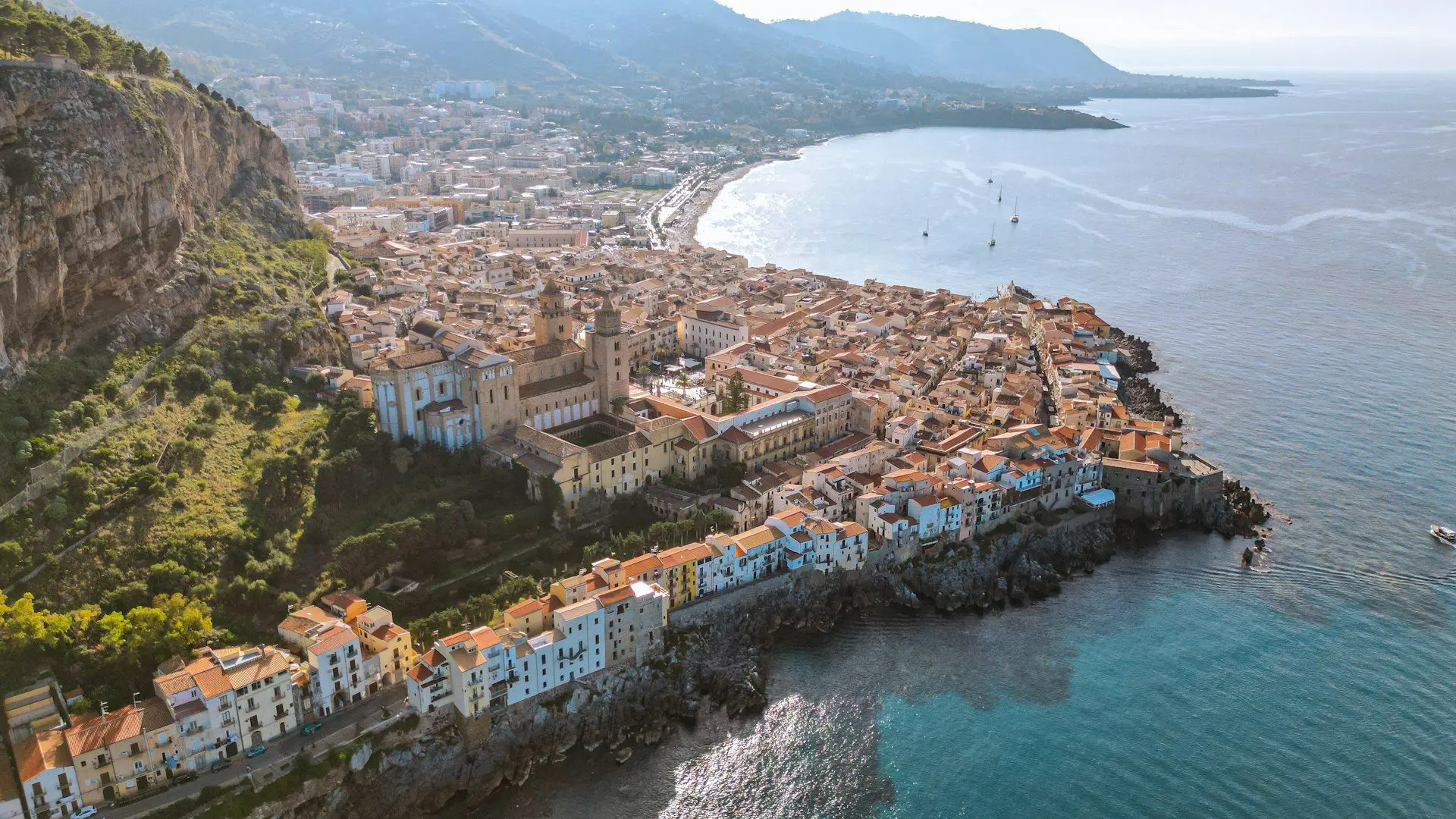
Day trips from Cefalù are one of the best reasons to base yourself here: half an hour in the car takes you up into the Madonie mountains, and the train gets you to central Palermo in under an hour. These are the excursions we suggest most often to our guests, with rough travel times, what to see, a few practical tips and the best time of year for each.
By Alessandra, Giuseppe and Salvatore Livecchi · updated October 2026 · 5 min read
Planning day trips from Cefalù: car, train or bus
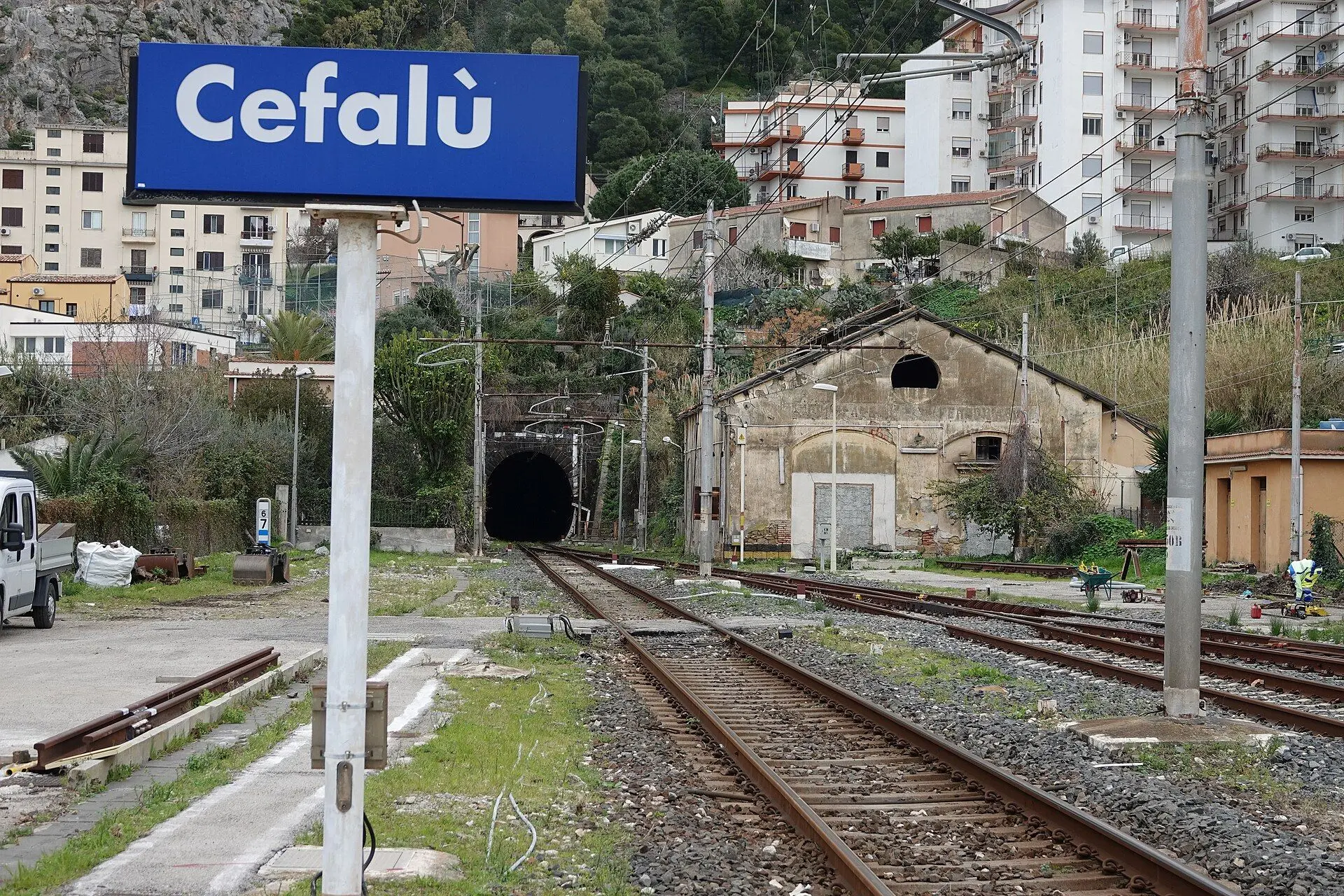
For the Madonie and the coast towards Tusa, a car makes life much easier: the provincial roads are scenic but winding, and local buses are infrequent, sometimes running only on request. For Palermo and Termini Imerese the regional train is the obvious choice, with no traffic and no parking to find.
Our villas in Contrada Salinelle have private parking and Lascari station less than a kilometre away, so it is easy to mix both. For travel planning, see our guide on how to get to Cefalù. Times below are approximate, from the centre of Cefalù.
Castelbuono and the Ventimiglia Castle
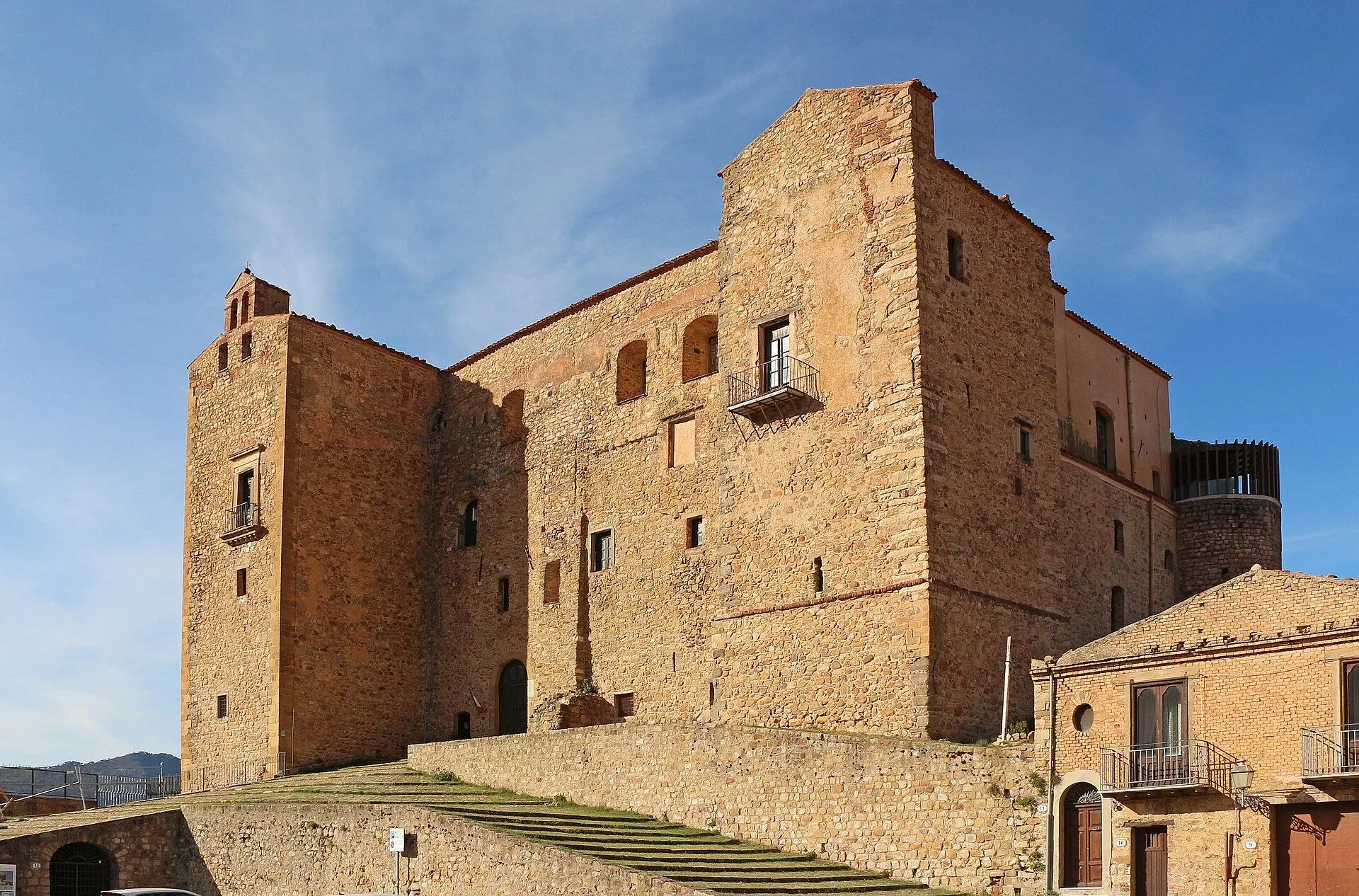
Castelbuono is about 23 km from Cefalù, a drive of just under half an hour, and it is the hill town we recommend first. It grew up around the castle that Count Francesco I Ventimiglia built in 1317, a square fortress with corner towers that now houses the Civic Museum. Inside is the Palatine Chapel, decorated with stucco work by the brothers Giuseppe and Giacomo Serpotta, which holds the relic of Saint Anne in a bust-shaped reliquary dating from 1521.
Afterwards, wander the old centre, perhaps calling in at the Minà Palumbo natural history museum and a pastry shop: Castelbuono is known for its sweets and for manna, the sap of the Madonie ash trees. It works all year round, and summer evenings are noticeably cooler than on the coast.
Gibilmanna Sanctuary: the closest trip into the mountains
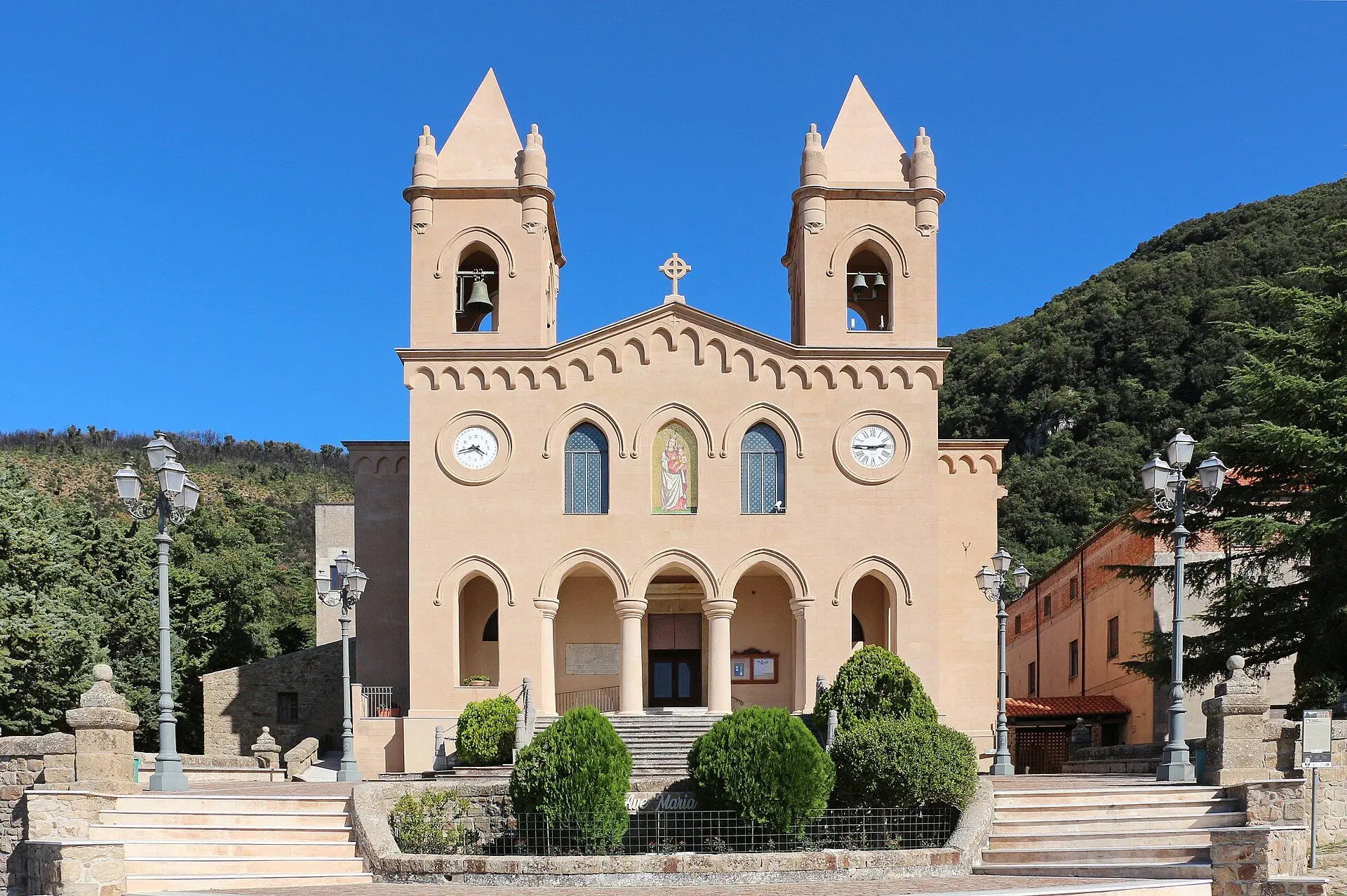
The Sanctuary of Santa Maria di Gibilmanna is about 15 km from Cefalù, almost 800 metres up on the slopes of Pizzo Sant'Angelo, and still within Cefalù's municipal boundaries. The church's origins go back to the early Middle Ages; today's complex is linked to the Capuchin friars, and next door the Fra Giammaria da Tusa Museum displays vestments and church furnishings.
The views over the coast and woods justify the drive even if you are not visiting for religious reasons, and it pairs well with Castelbuono. Keen walkers can follow the last stage of the Via dei Frati, which runs down from Gibilmanna to Cefalù; start early in the warmer months.
Madonie Park: the Petralias, Polizzi Generosa and Piano Battaglia
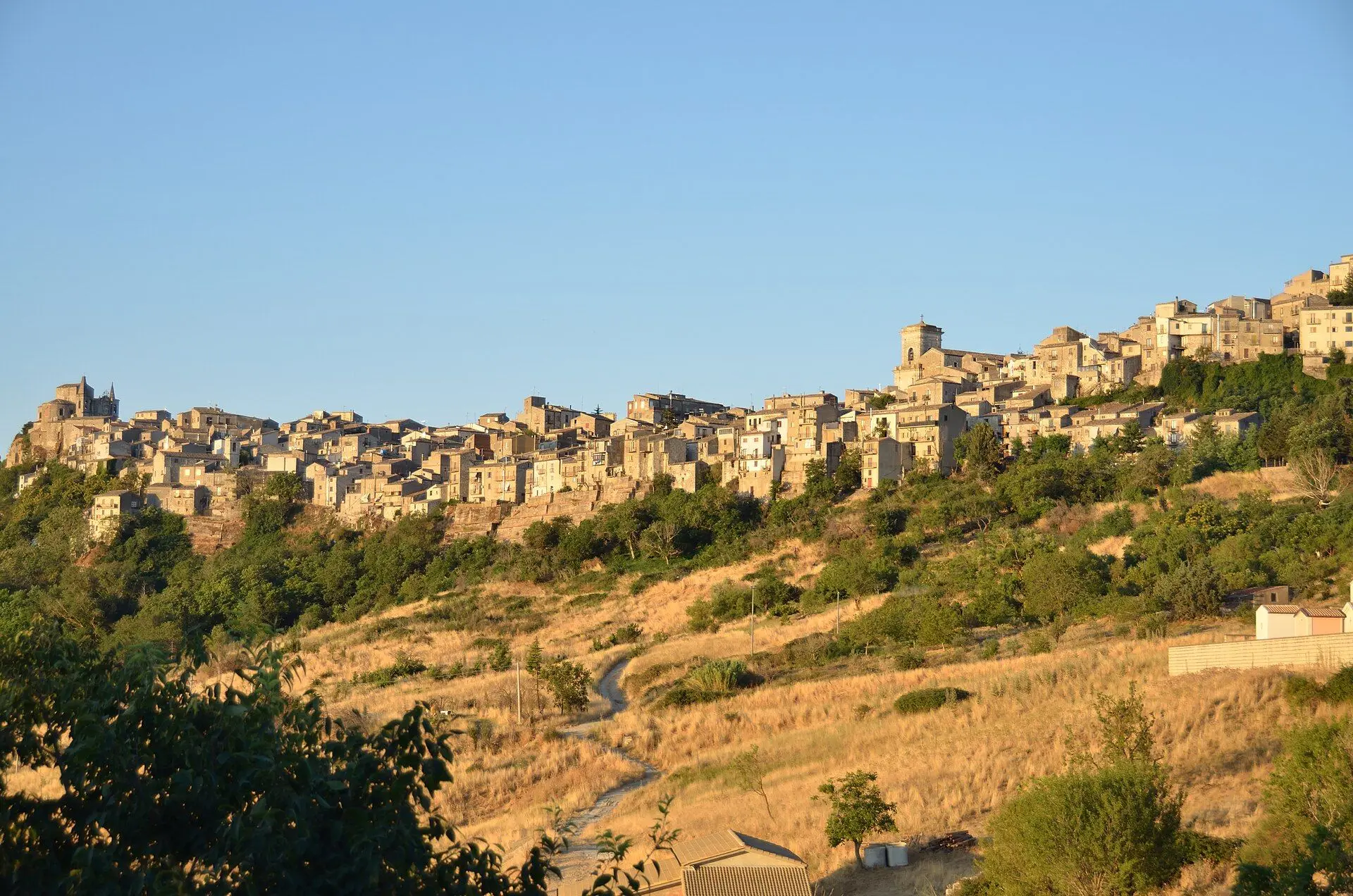
The Madonie Regional Park was established in 1989, covers fifteen municipalities including Cefalù, and is part of the UNESCO Global Geoparks network. Its highest peak, Pizzo Carbonara, reaches 1,979 metres, second only to Etna in Sicily. To see the inland villages properly you need a full day and a car.
Petralia Soprana and Petralia Sottana
Petralia Soprana, at 1,147 metres and about an hour's drive from Cefalù, won Italy's Borgo dei Borghi title, a national vote for the favourite village, in 2018. Explore its stone centre on foot, taking in the Mother Church of Saints Peter and Paul, Santa Maria di Loreto and the valley viewpoints. The area also has a large rock salt mine with a museum of salt sculptures; check visiting arrangements in advance. Just below, Petralia Sottana, which holds the Touring Club's Orange Flag, deserves a stop.
Polizzi Generosa
Polizzi Generosa, at 917 metres, owes its name to Emperor Frederick II, who honoured the town for its generosity in 1234. Its Mother Church holds a late fifteenth-century Flemish triptych. The town is one of the gateways to the park and lies close to the last refuge of the Abies nebrodensis, an endemic fir with fewer than thirty trees left in the wild.
Piano Battaglia
Piano Battaglia is a karst plateau at 1,572 metres between Pizzo Carbonara and Monte Mufara, reached from Collesano, Petralia Sottana or Polizzi. In winter, snow permitting, a small ski area operates; the rest of the year it is a starting point for hiking trails. Between November and March, check weather and roads before heading up.
Pollina, Tusa and the Fiumara d'Arte sculpture park
Heading east, Pollina is about 20 km from Cefalù, around half an hour by car. The village crowns a hilltop with a sixteenth-century tower linked to the Ventimiglia family; beside it, the Pietra Rosa Theatre, built in the 1970s from pink and white dolomite, looks out to sea and hosts summer performances.
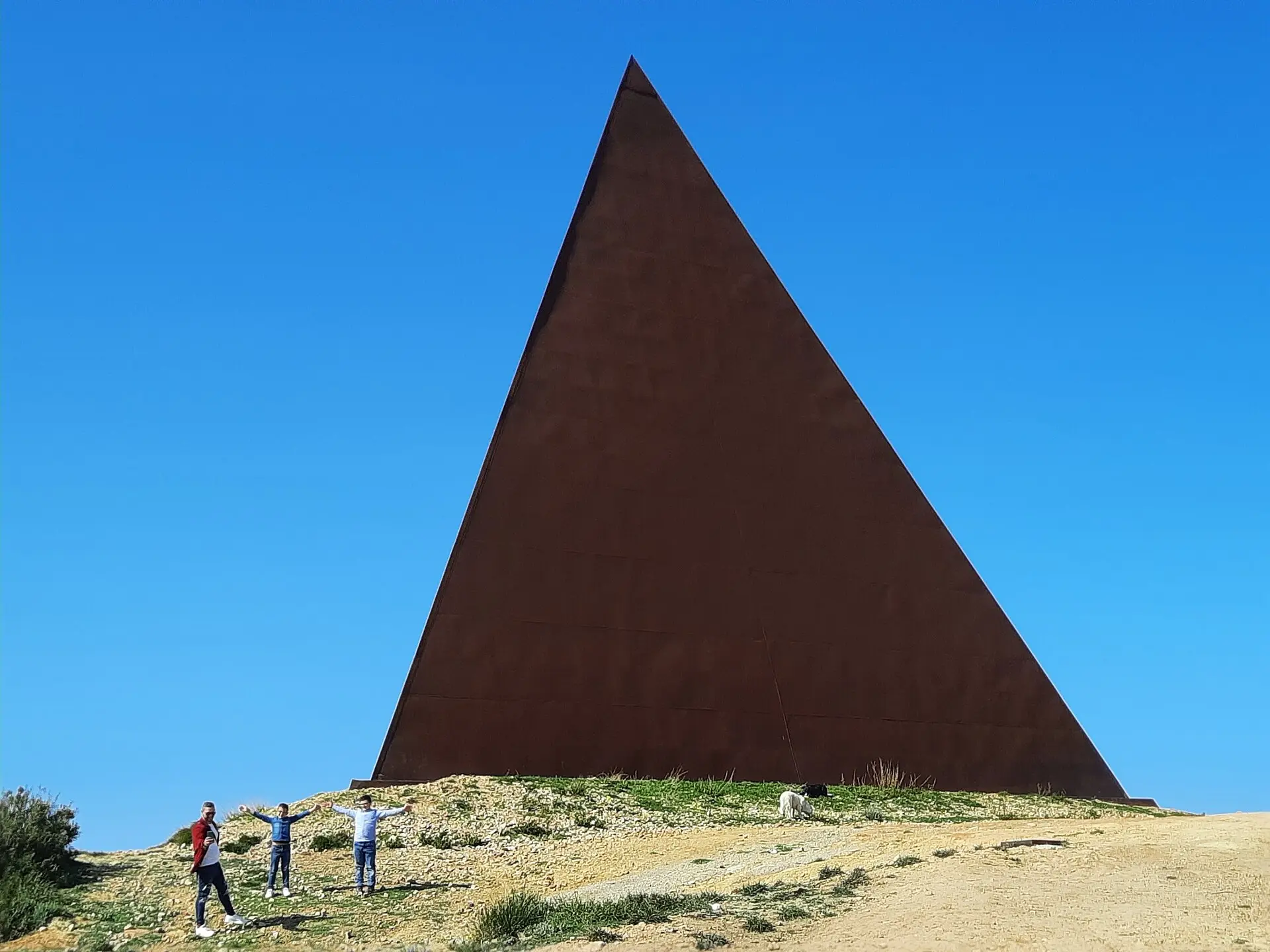
A little further, Tusa (about 26 km, half an hour) is the heart of the Fiumara d'Arte, an open-air contemporary sculpture park created by the patron Antonio Presti from 1986 along the Tusa riverbed, across five municipalities. Highlights include Pietro Consagra's La materia poteva non esserci, Tano Festa's Monument for a Dead Poet, known as the Window on the Sea, Italo Lanfredini's Ariadne's Labyrinth and Mauro Staccioli's 38th Parallel Pyramid from 2010.
In Castel di Tusa, by the sea, Presti's Atelier sul Mare is a museum-hotel whose rooms were turned into artworks; non-residents can see the rooms on guided tours, so ask the Atelier for times before you go. Above Tusa lies the archaeological site of Halaesa Arconidea. You will need a car and a map; spring and early autumn are best.
Palermo by train: the Arab-Norman route and Monreale
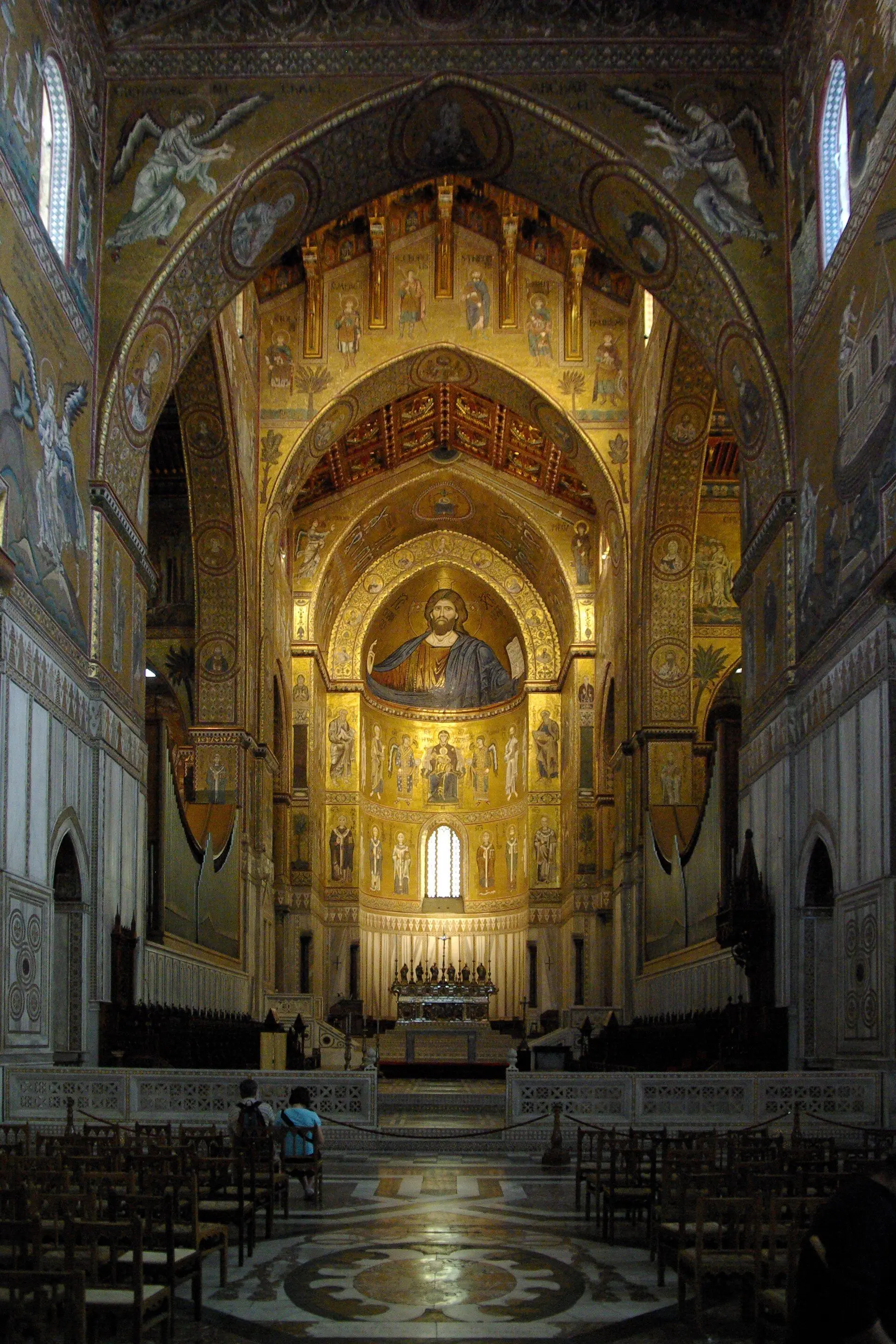
Regional trains from Cefalù to Palermo Centrale take a little under an hour on average, with frequent departures from morning to evening. Cefalù Cathedral is part of the same UNESCO World Heritage site, inscribed in 2015, which in Palermo includes the Royal Palace and Palatine Chapel, the Cathedral, San Giovanni degli Eremiti, the Martorana, San Cataldo, the Zisa and the Admiral's Bridge, plus Monreale Cathedral. Our own cathedral features in our guide to things to do in Cefalù.
In one day, focus on the Royal Palace, the Cathedral, the Martorana and San Cataldo, which are close together, with lunch at a historic market. Monreale deserves half a day of its own: the town council lists AMAT bus 389 from Piazza Indipendenza, but the service has been suspended several times in recent years, so check first. In summer, avoid the midday heat.
Himera and Termini Imerese: ancient Greece on the doorstep
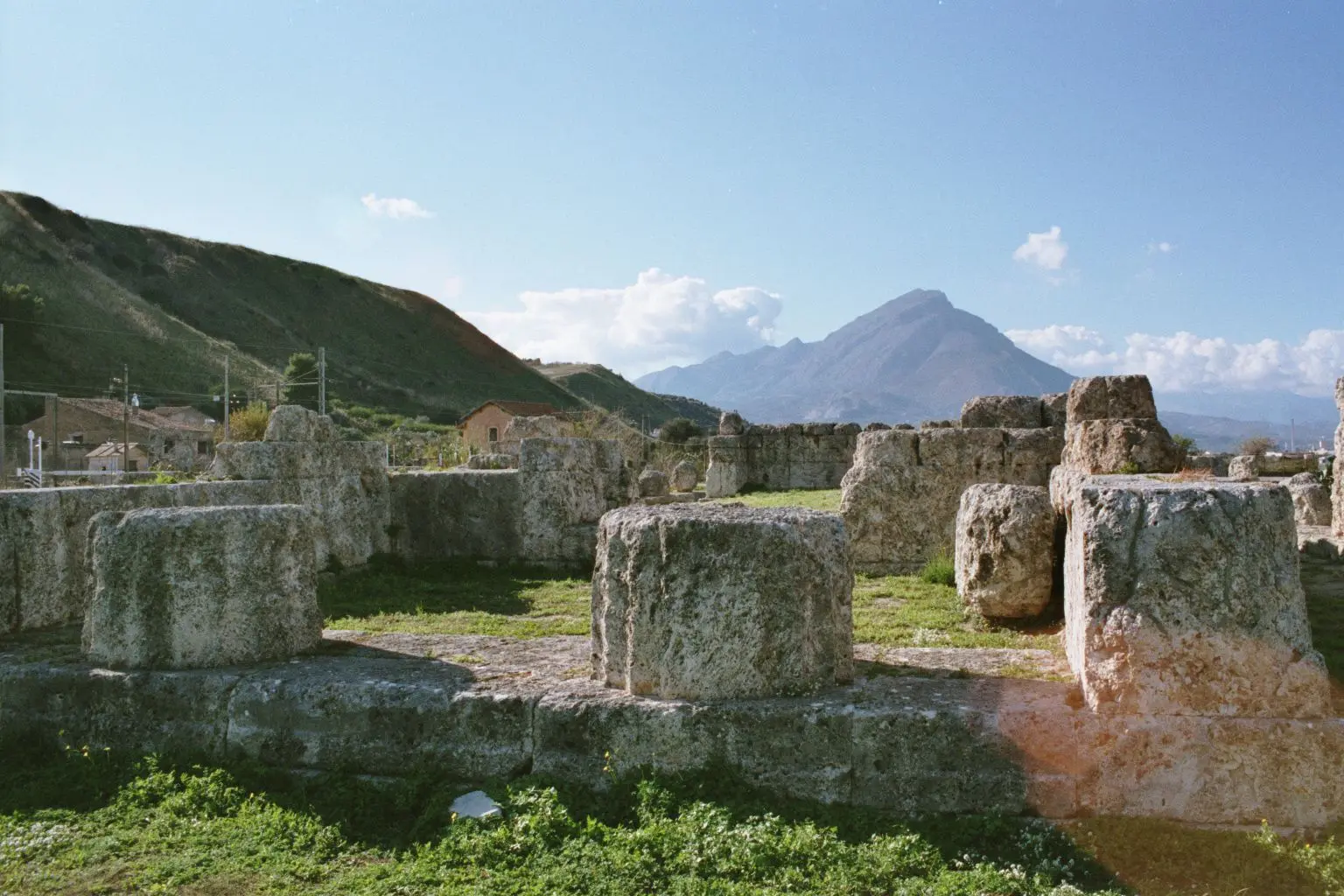
Himera was founded in 648 BC by settlers from Zankle, today's Messina, and is remembered for the battle of 480 BC, when the Greeks under Gelon of Syracuse defeated Carthage. Destroyed in 409 BC, its survivors founded Termini Imerese. The site lies at Buonfornello on the SS113 towards Palermo, with the remains of the Temple of Victory, sacred areas, housing and an Antiquarium of finds.
It is an easy half day by car. According to the archaeological park, in summer it opens Tuesday to Saturday until late afternoon and on Sunday mornings, with a full ticket at 6 euros; hours change by season, so check. Termini Imerese is just over twenty minutes from Cefalù by train.
The Aeolian Islands: visible from Cefalù, reached from elsewhere
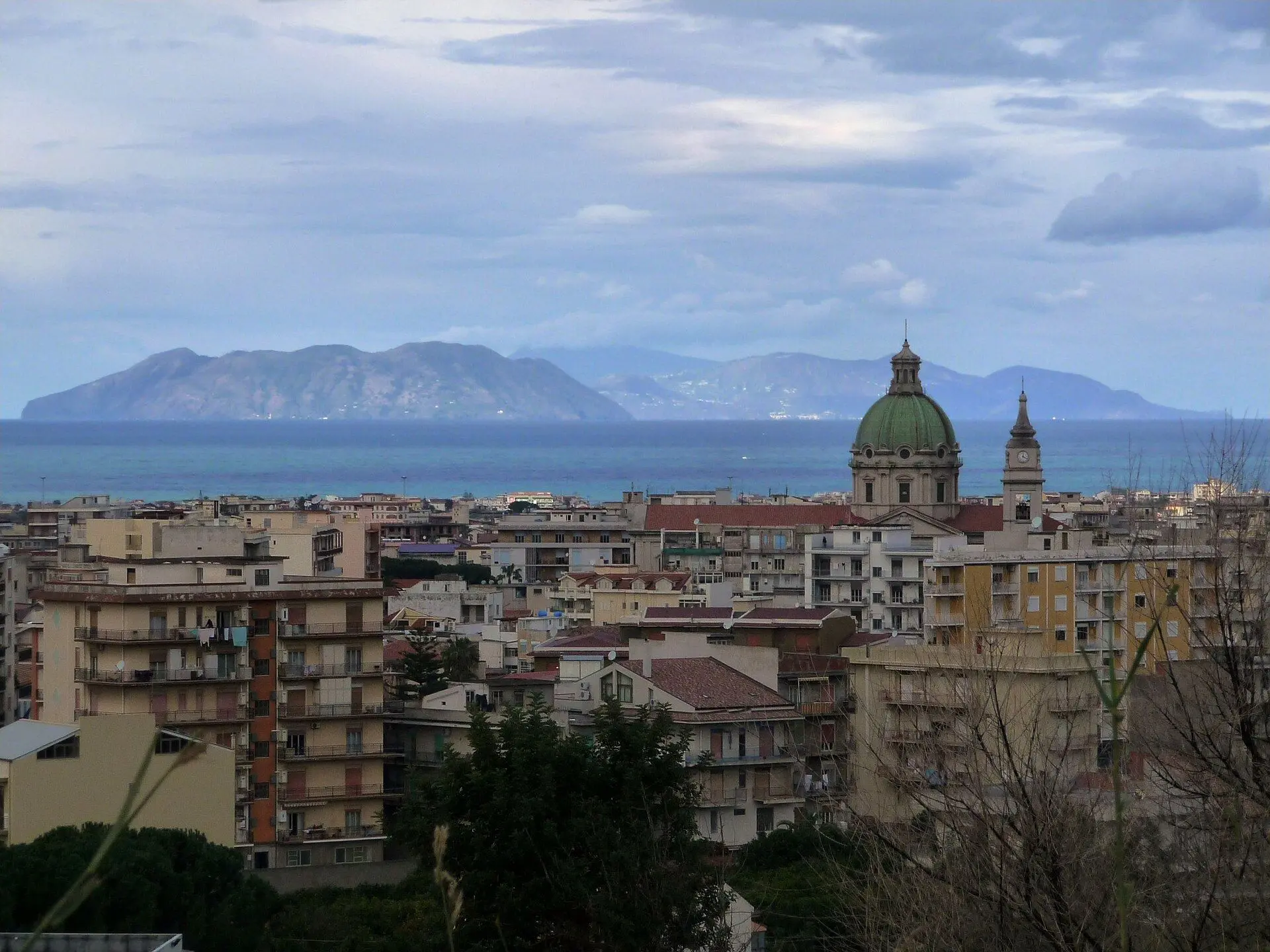
On clear days you can see the Aeolian Islands from Cefalù, but there is currently no scheduled hydrofoil from Cefalù harbour. In summer some agencies offer day boat excursions or mini-cruises: weigh up the length of the day and the sea conditions before booking. Regular ferries and hydrofoils to Lipari, Vulcano and the other islands leave from Milazzo and, in summer, from Palermo. Rough seas can cancel sailings, so do not leave the islands for your last day.
A convenient base for day trips: our holiday homes
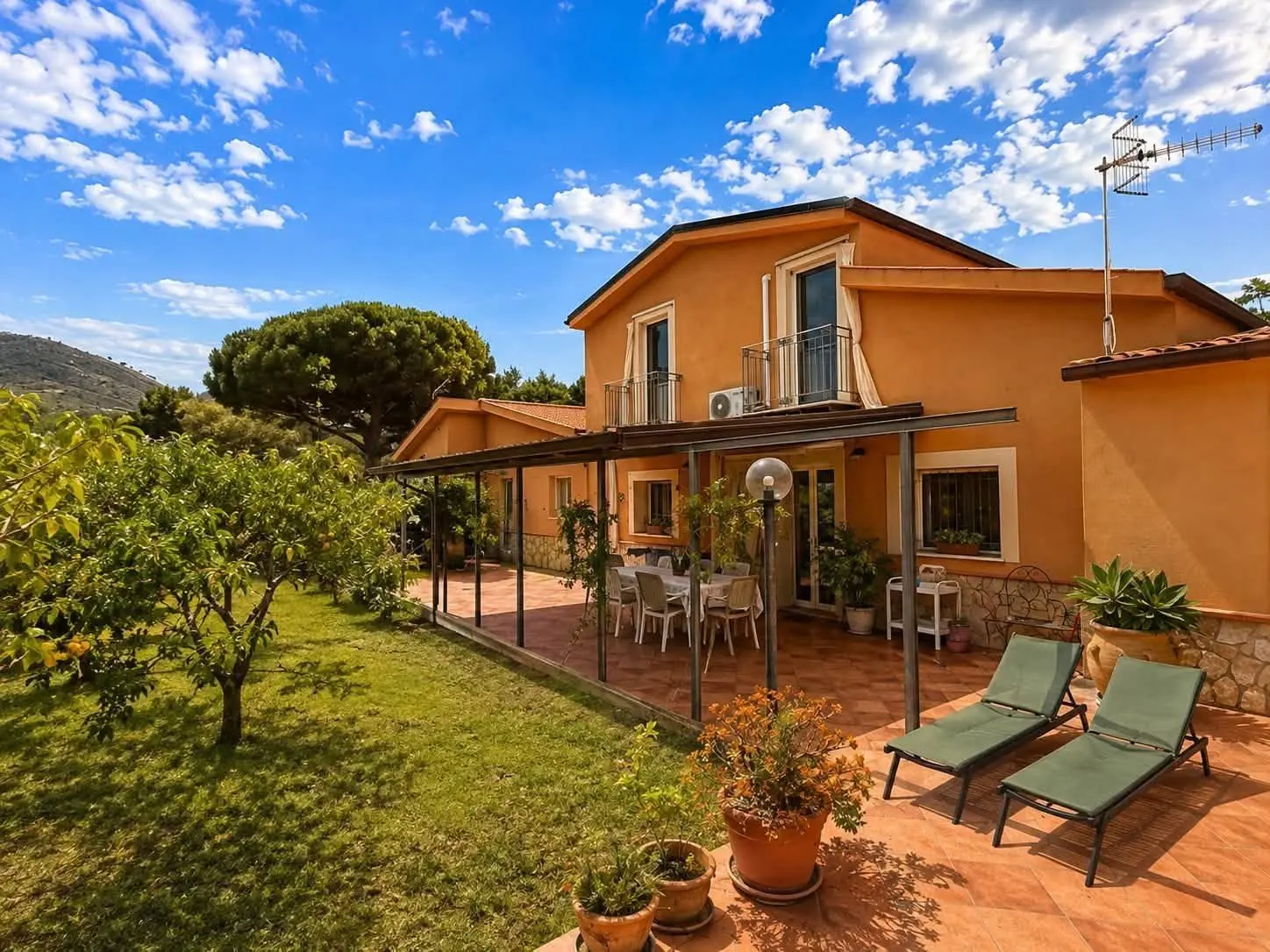
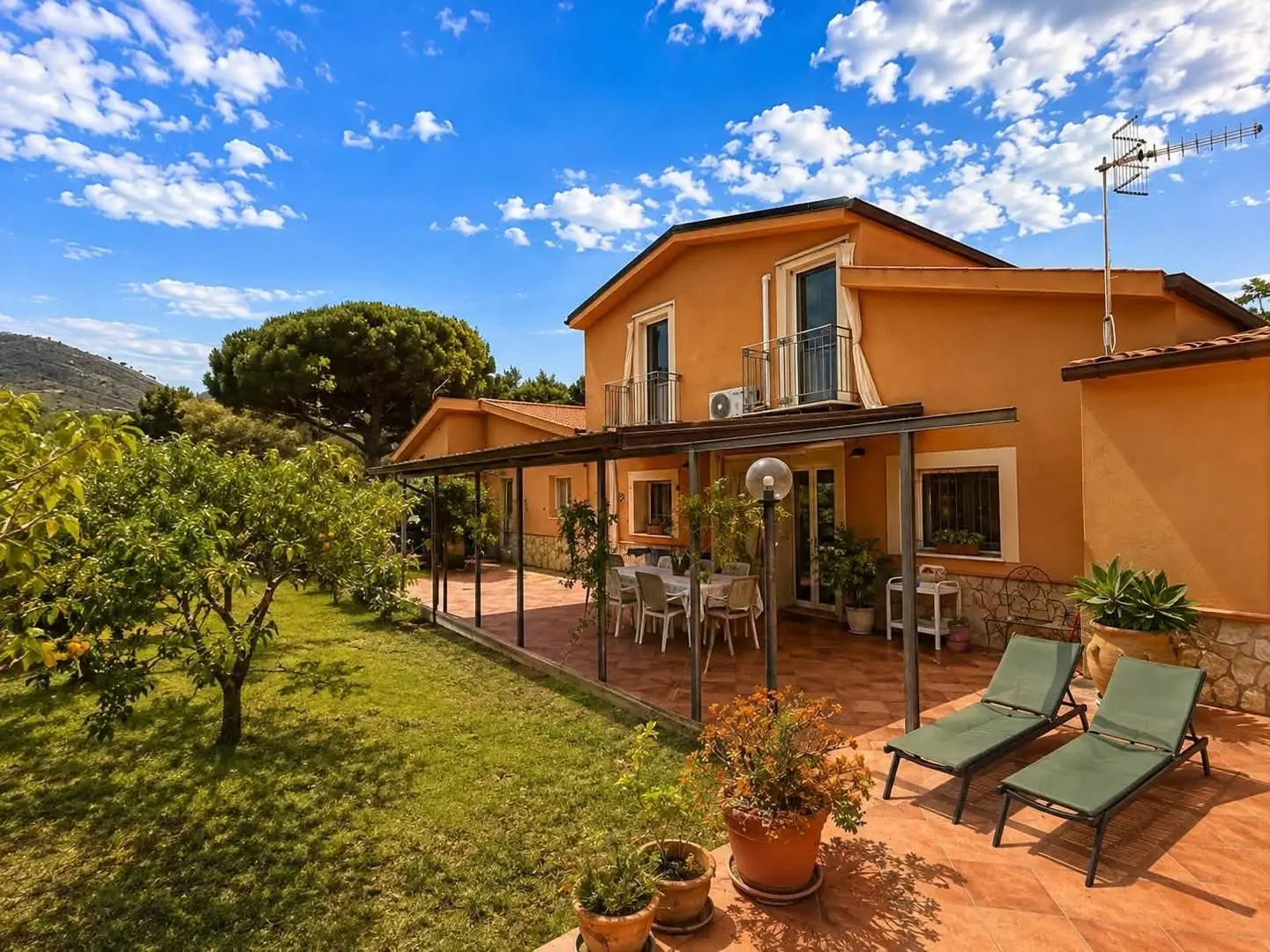
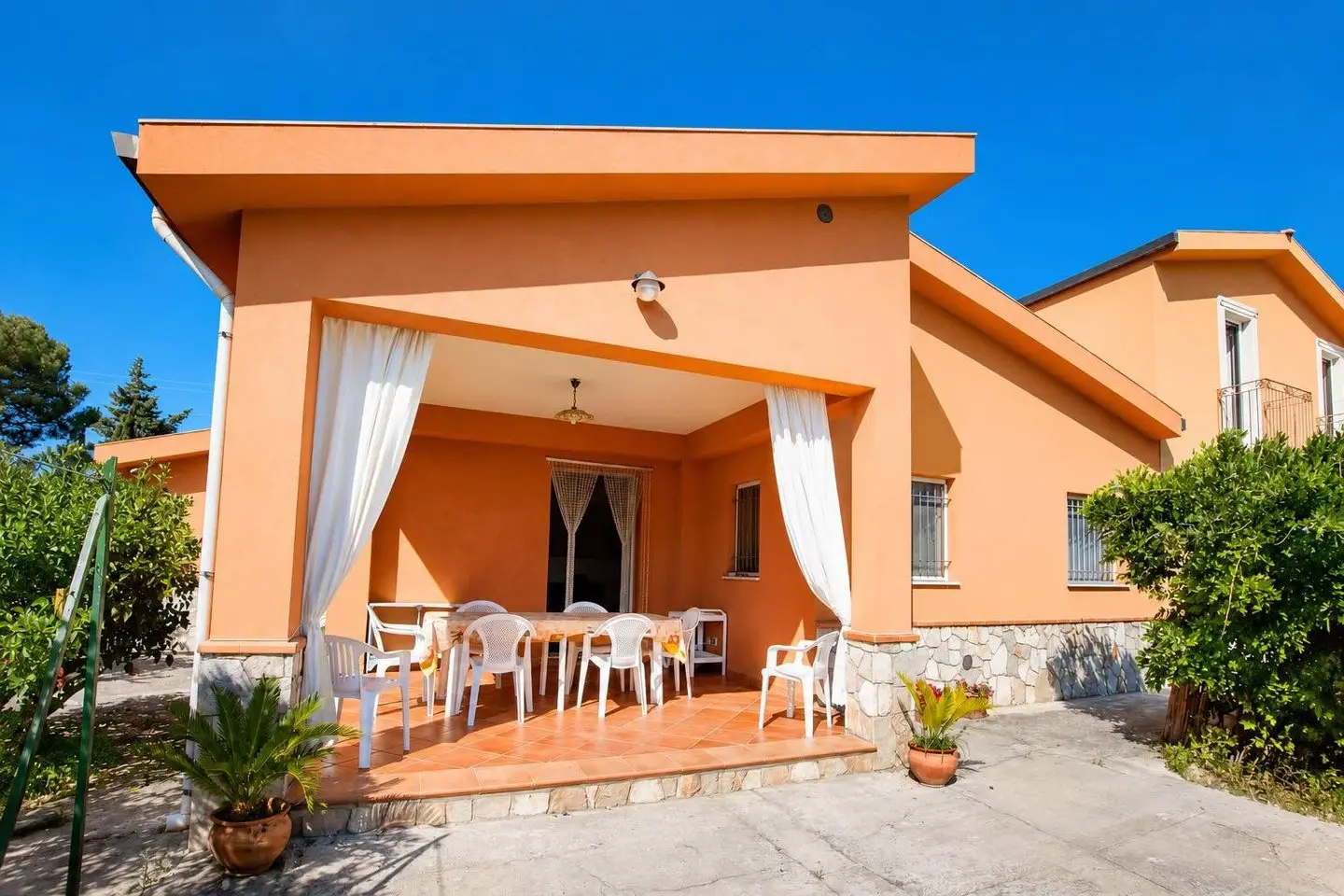
If you are driving, the villas in Contrada Salinelle are practical: the Villa dei Mandarini sleeps up to nine with parking for three cars, and the Villa dei Limoni has space for three cars and is 150 metres from the beach. If you prefer trains and walking, Casa del Duomo puts you in the old town. Get in touch and we will happily suggest the right trip for the weather.