Looking for the best things to do in Cefalù once you have seen the cathedral and the old town? This page is about experiences rather than monuments: the coast from a boat, sunset from the old bastion, the evening stroll, granita for breakfast, the August festival. These are the things we suggest to our own guests, as a family who live here.
By Alessandra, Giuseppe and Salvatore Livecchi · updated October 2026 · 4 min read
Best things to do in Cefalù on the water
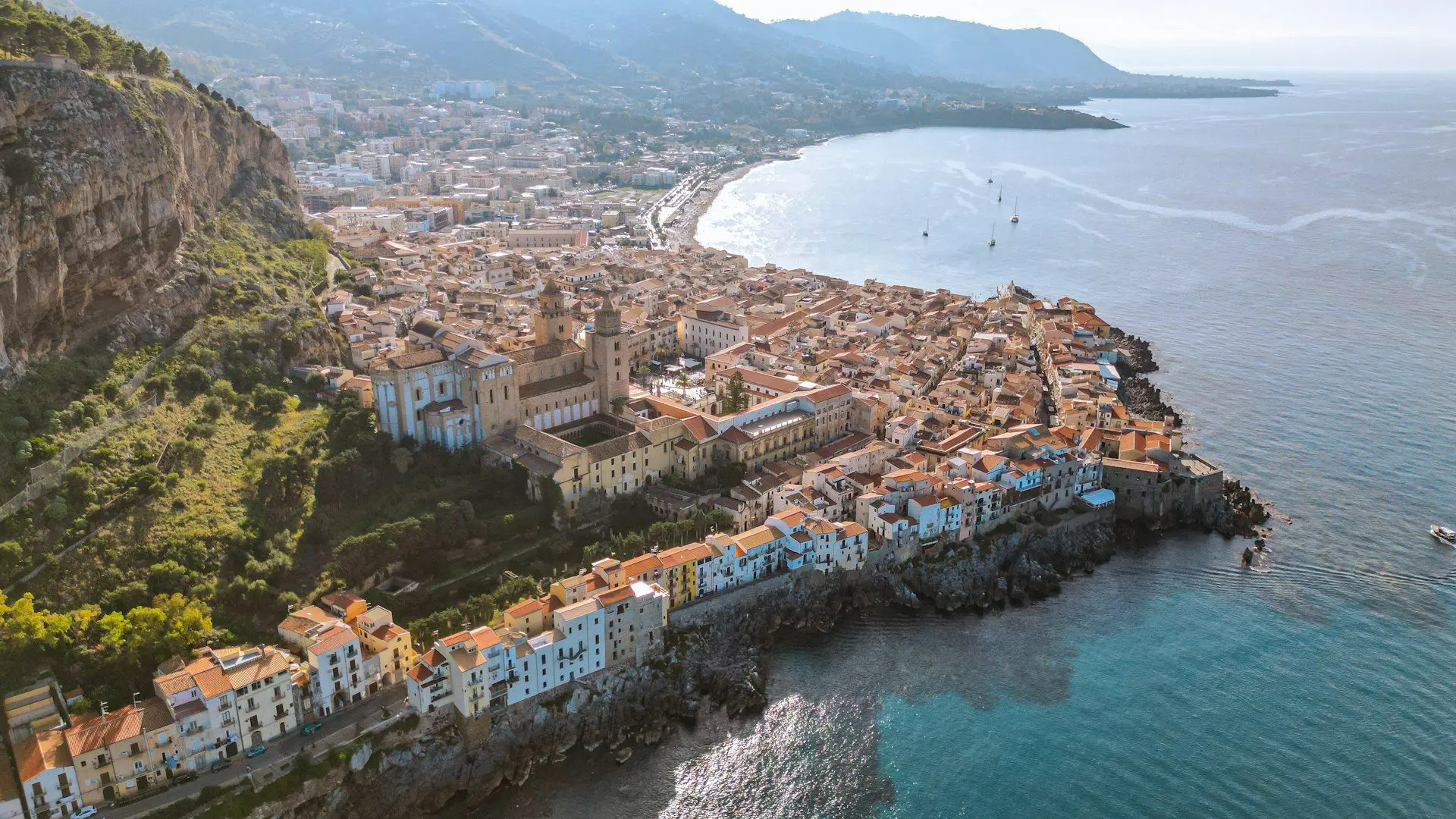
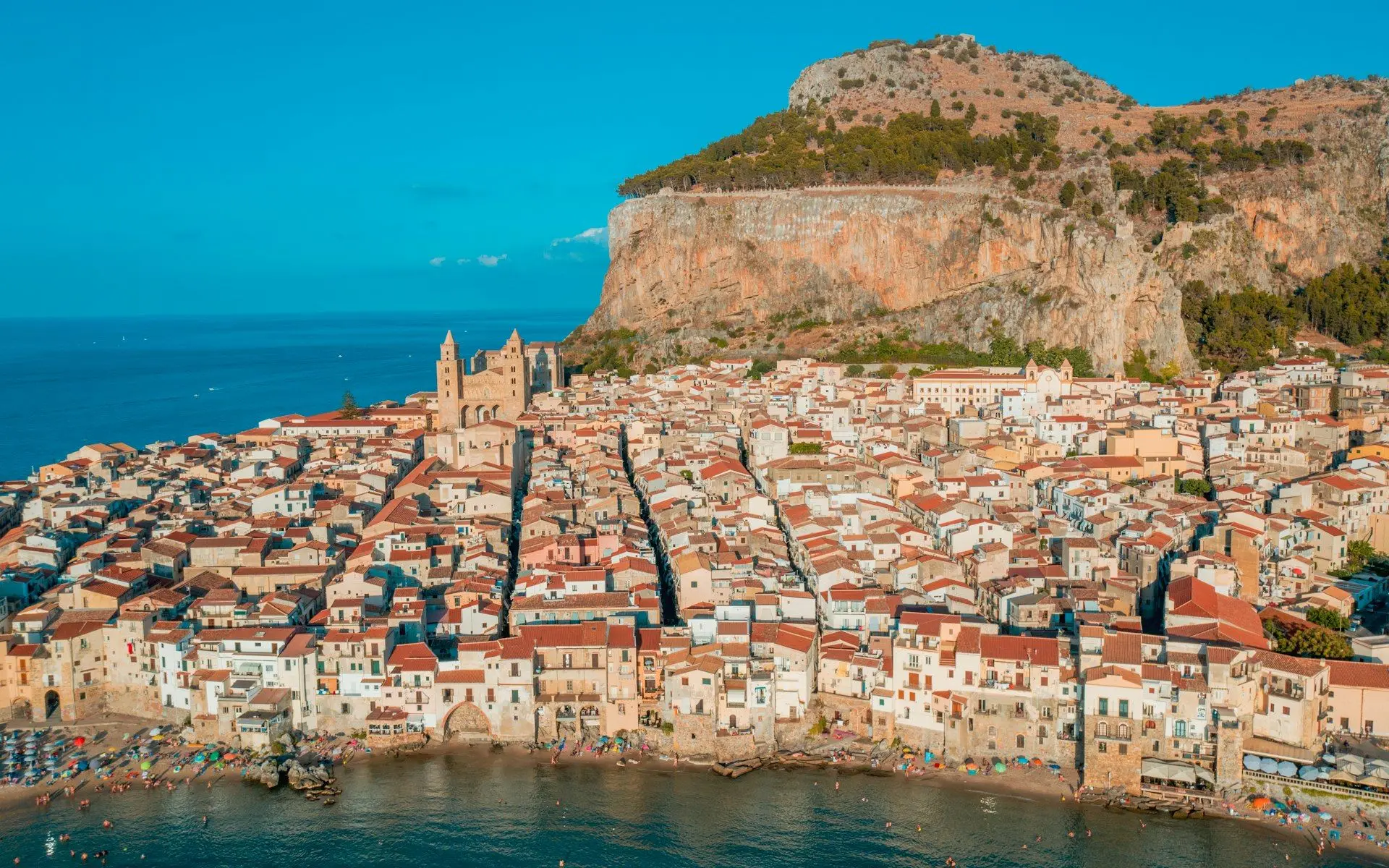
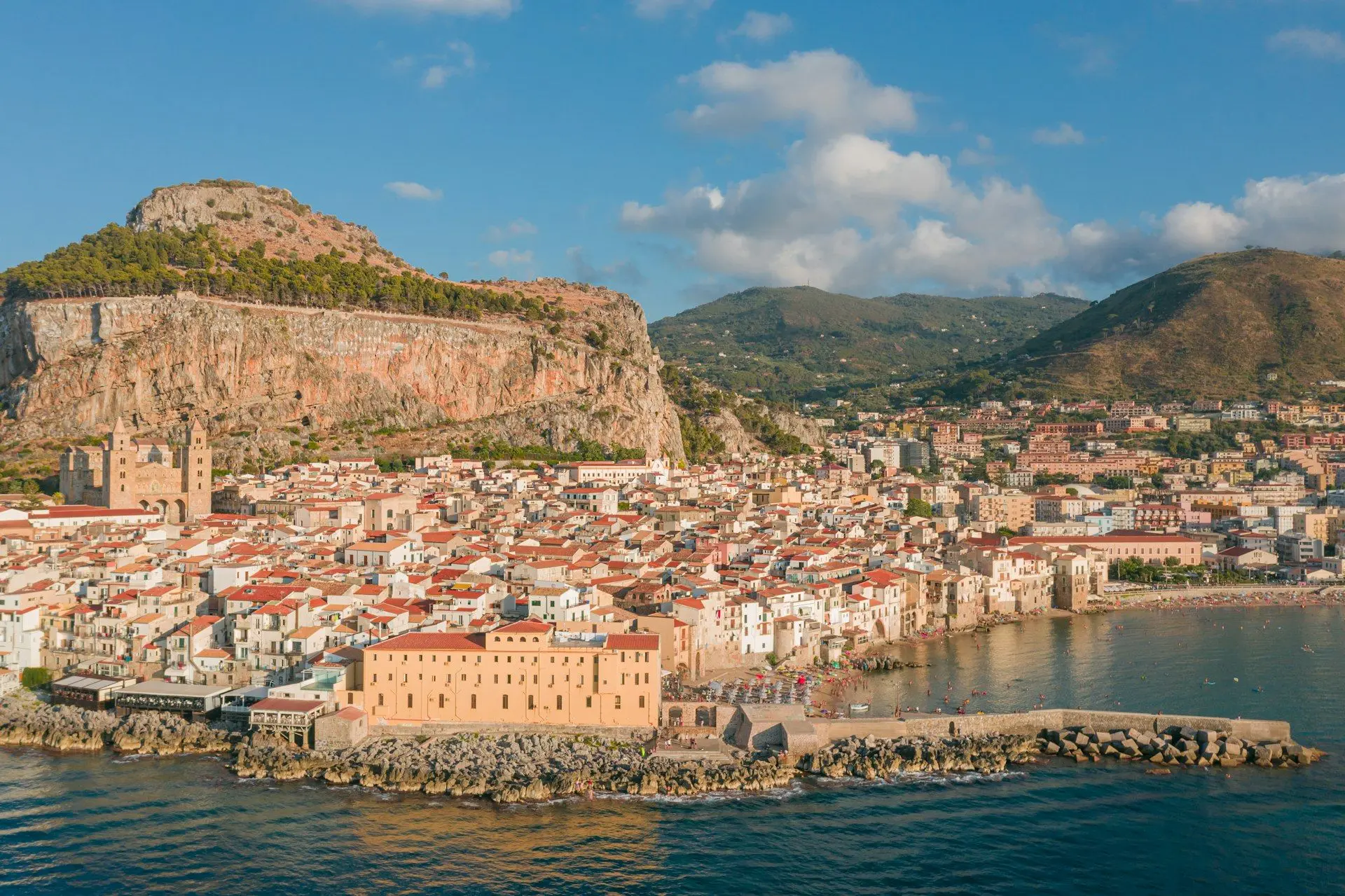
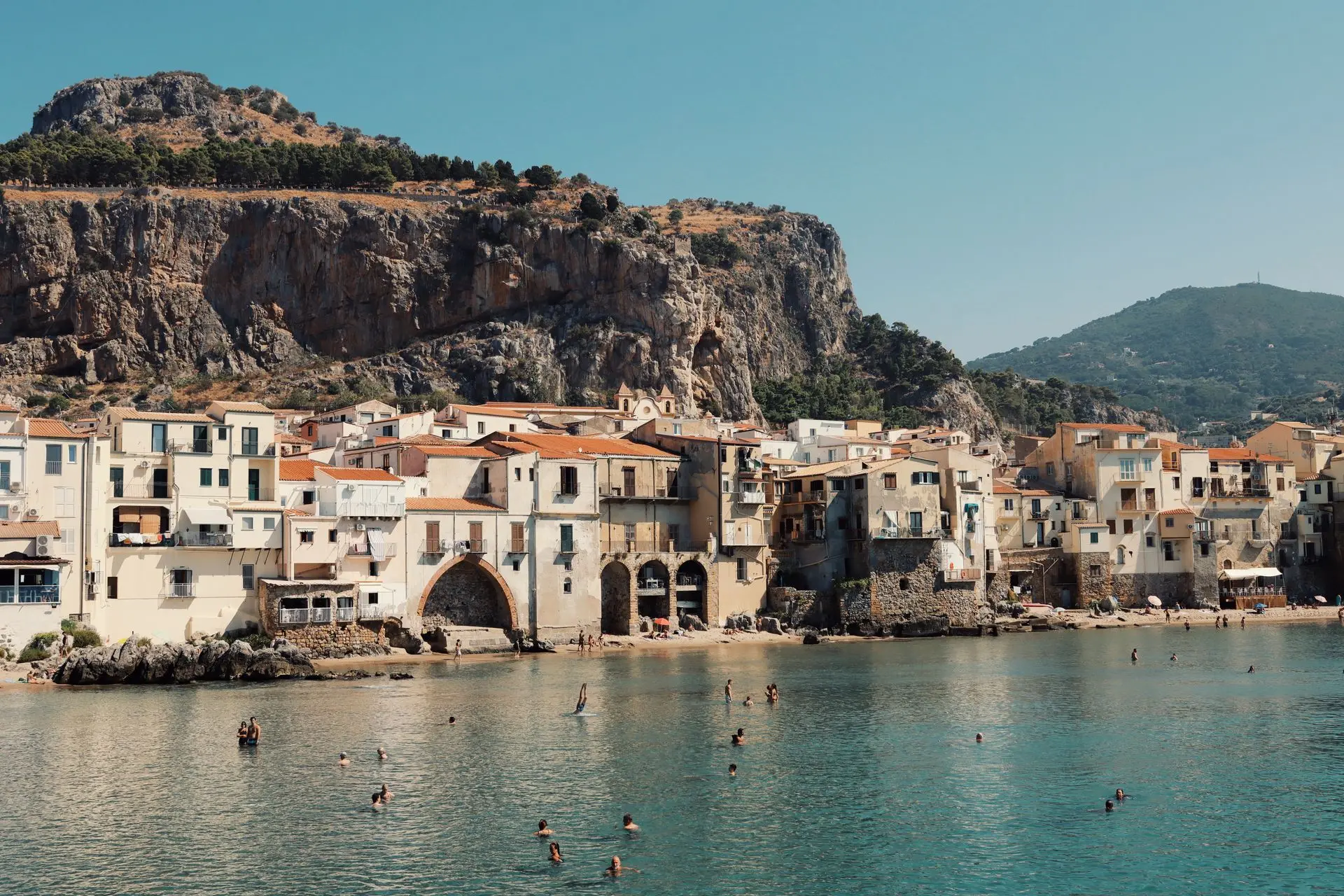
You only really see Cefalù when you look back at it from the sea: the Rocca, the cathedral and the houses built right onto the rocks all in one frame. Our Cefalù sightseeing guide covers the beaches themselves; here is how to spend a day on the water.
Boat trips along the coast
In season, several boat trips leave from the harbour and the seafront, usually lasting two or three hours, heading east to the coves around Kalura with stops for a swim. Many run in the late afternoon and come back at sunset. Routes, lengths and operating months vary between operators, so compare a few and book the day before, especially in August.
Kayak and stand-up paddleboard
When the sea is flat, typically in the morning, paddling along the coast is the calmest way to reach the rocks and small sea caves you cannot see from the beach. Kayak and SUP hire is available along the seafront in summer. Check the wind before you set off, as the sea picks up quickly when the mistral blows.
Snorkelling
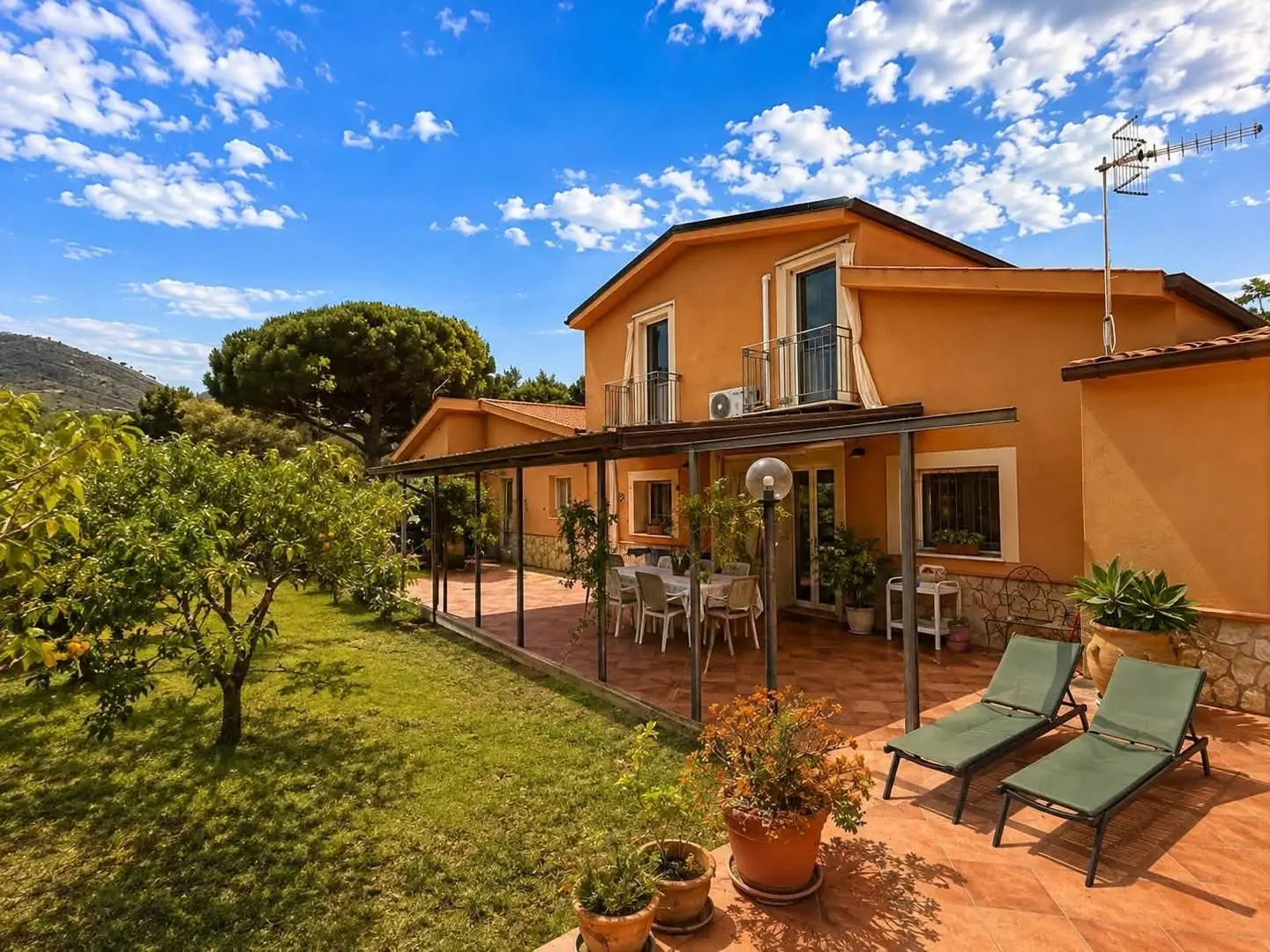
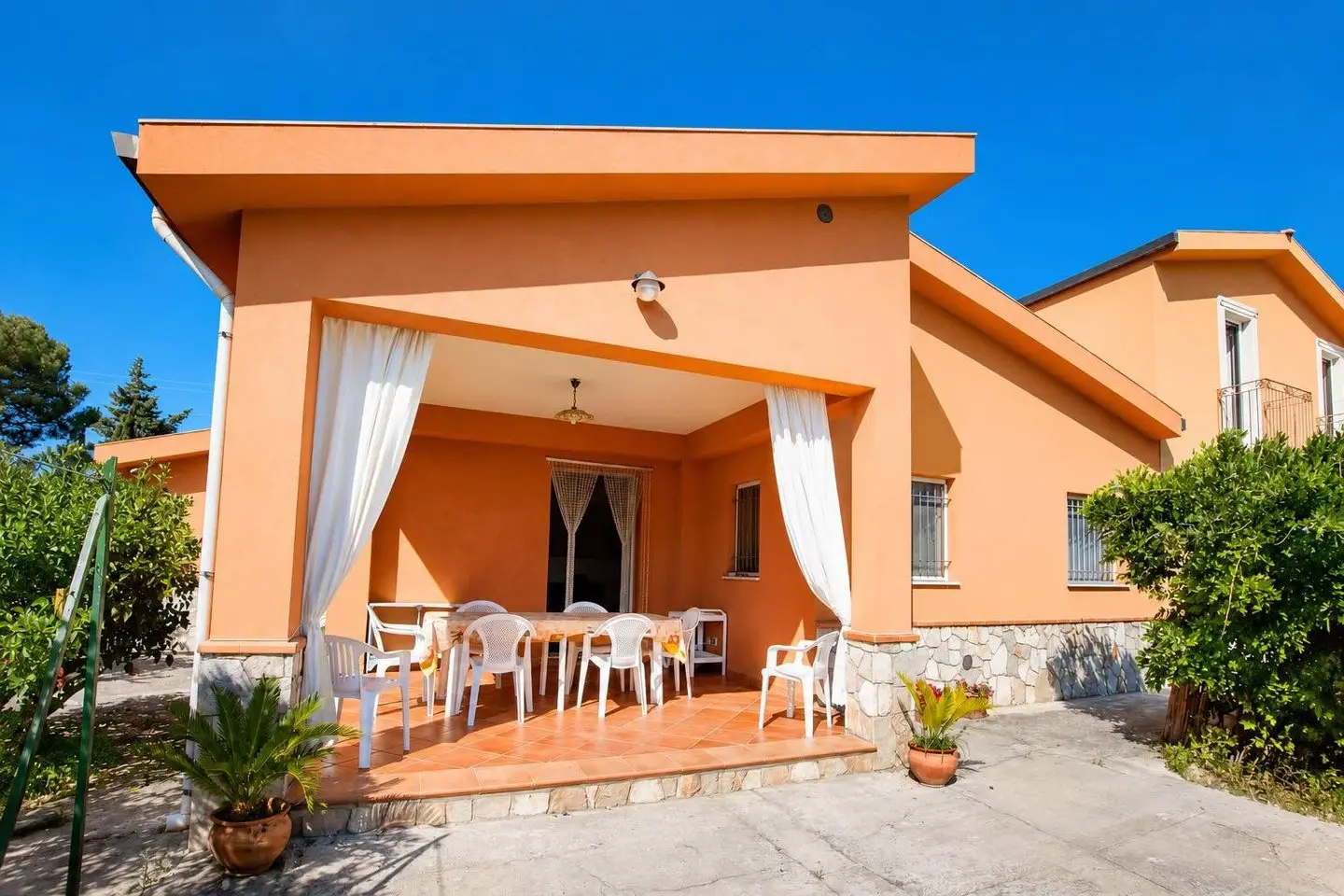
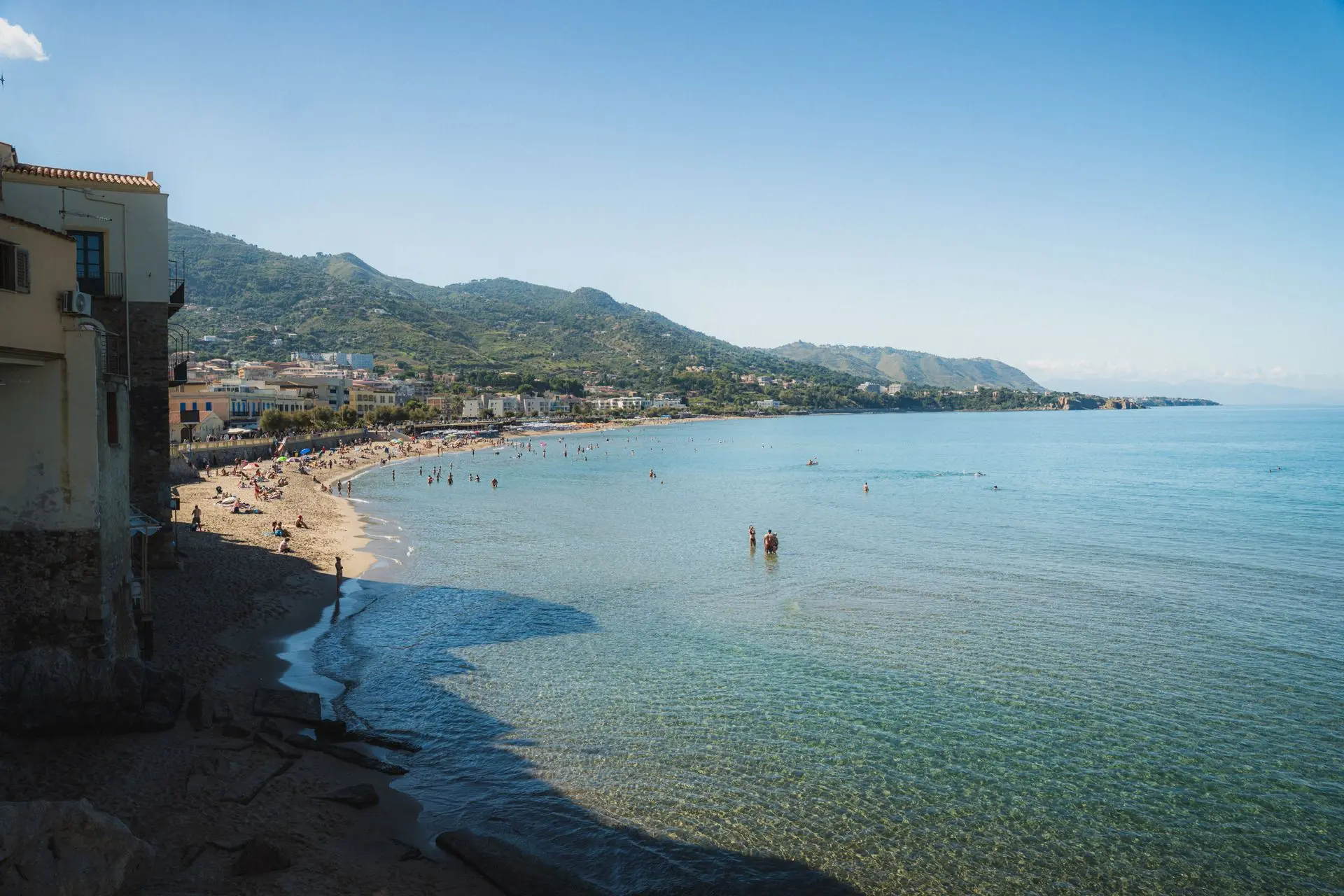
The rocky stretches either side of the sandy beaches are the best for a mask and snorkel: fish, sea urchins and seagrass meadows. If you are staying at the villas, Salinelle beach is within walking distance and has rocky sections that are ideal for a first look underwater.
Sunset at the Bastione di Capo Marchiafava
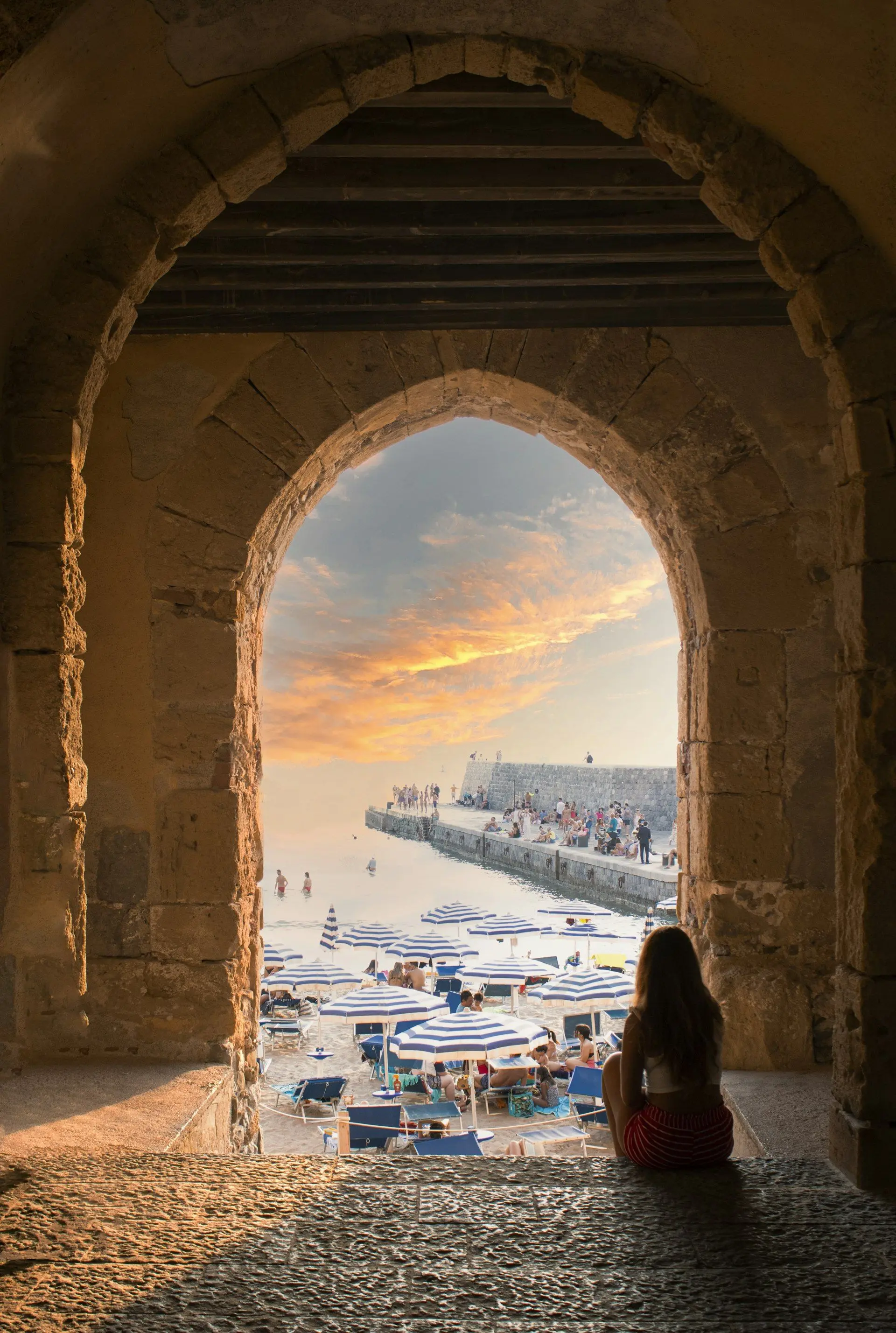
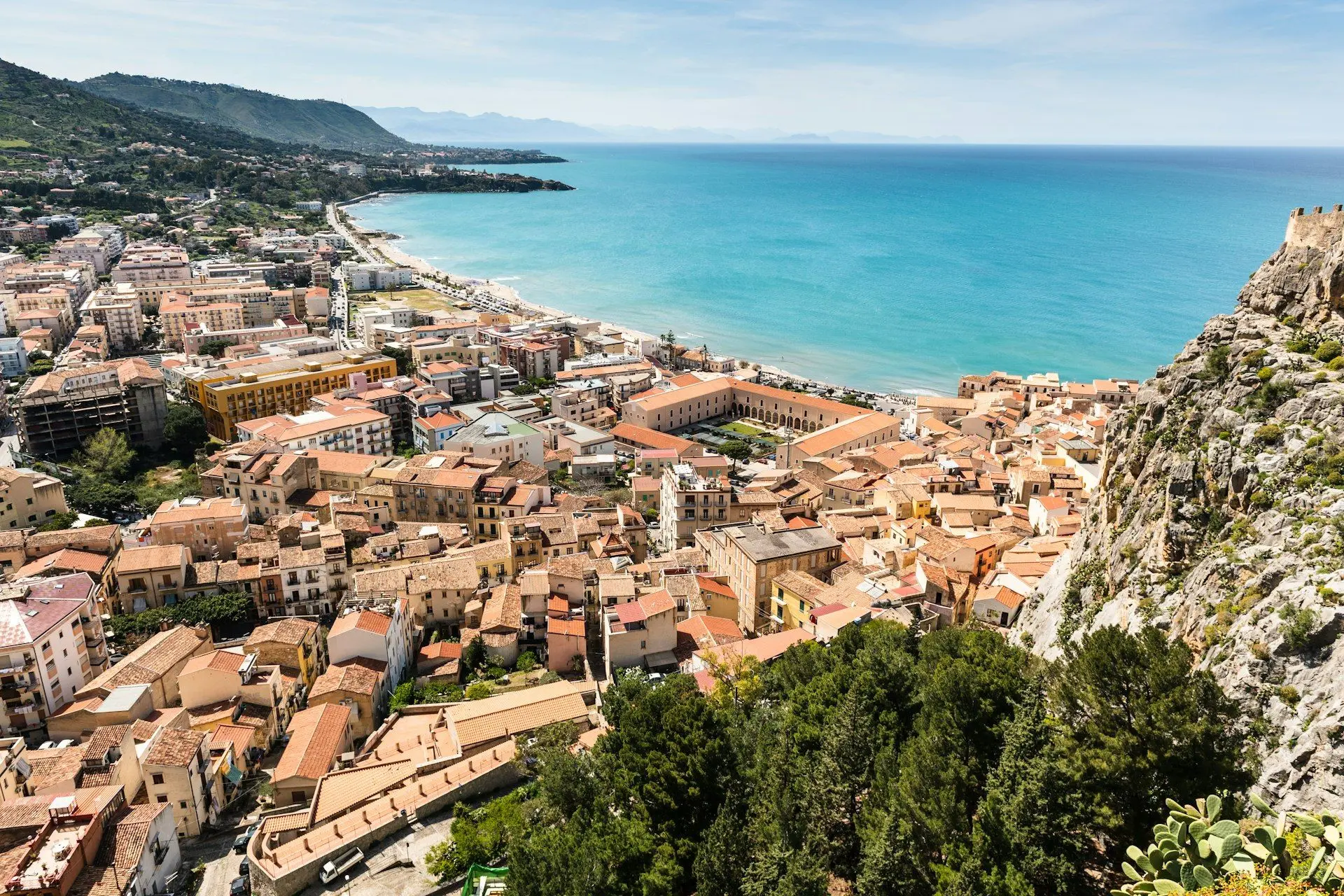
The Capo Marchiafava bastion is the furthest seaward point of the old town walls, completed in 1642 at the edge of the historic centre. From here you look along the coast and, on clear days, out to the Aeolian Islands on the horizon.
It gets busy at sunset, but there is room for everyone. Arrive about twenty minutes early, bring something to drink and stay until the seafront lights come on.
The evening passeggiata on Corso Ruggero and the seafront
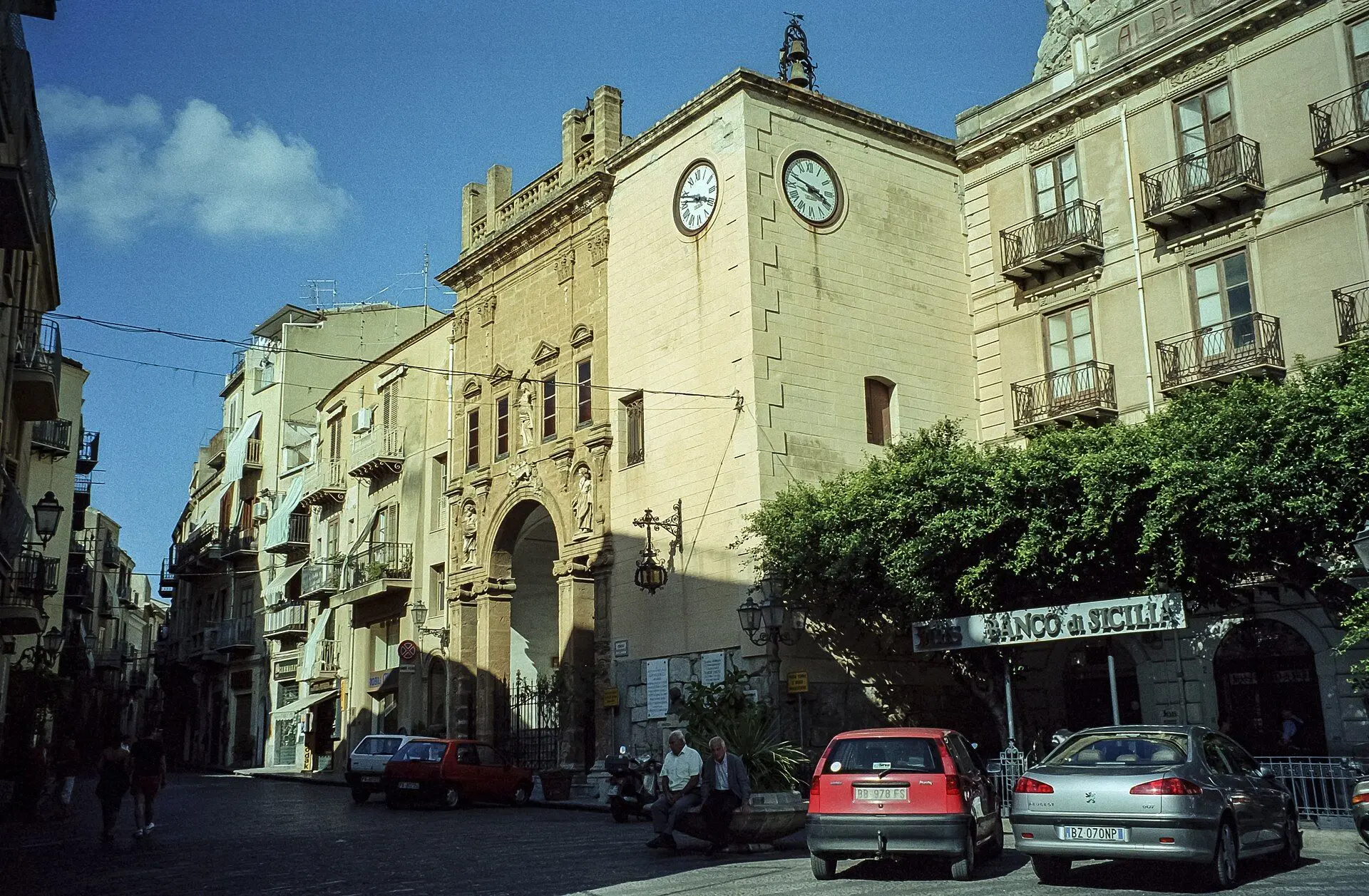
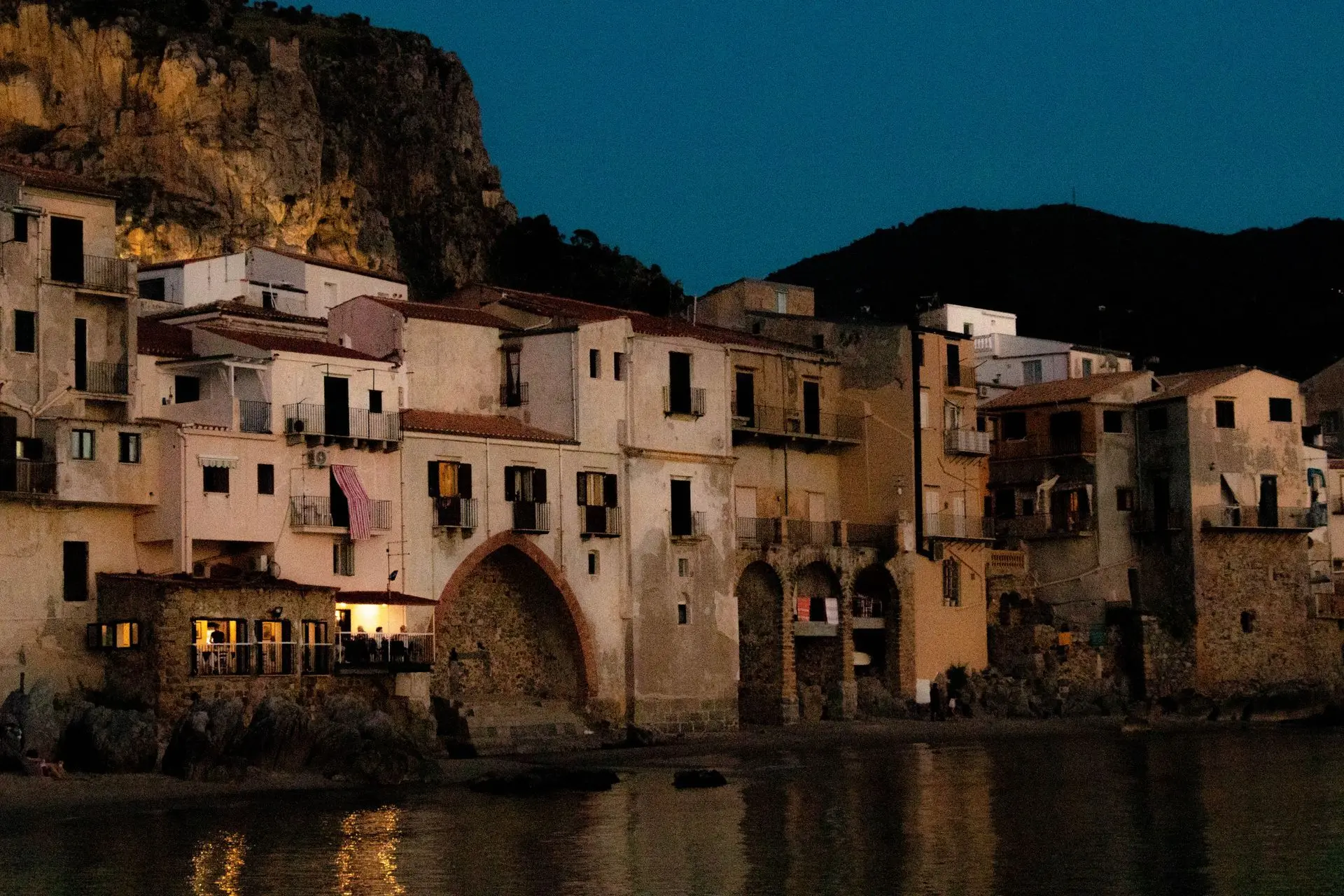
After dinner the whole town comes out. People stroll Corso Ruggero from the cathedral towards Porta Terra, wander into the side streets and end up on the seafront, where the walk goes on late into the night. It is less an activity than a ritual, and in summer it brings out families, teenagers and grandparents alike.
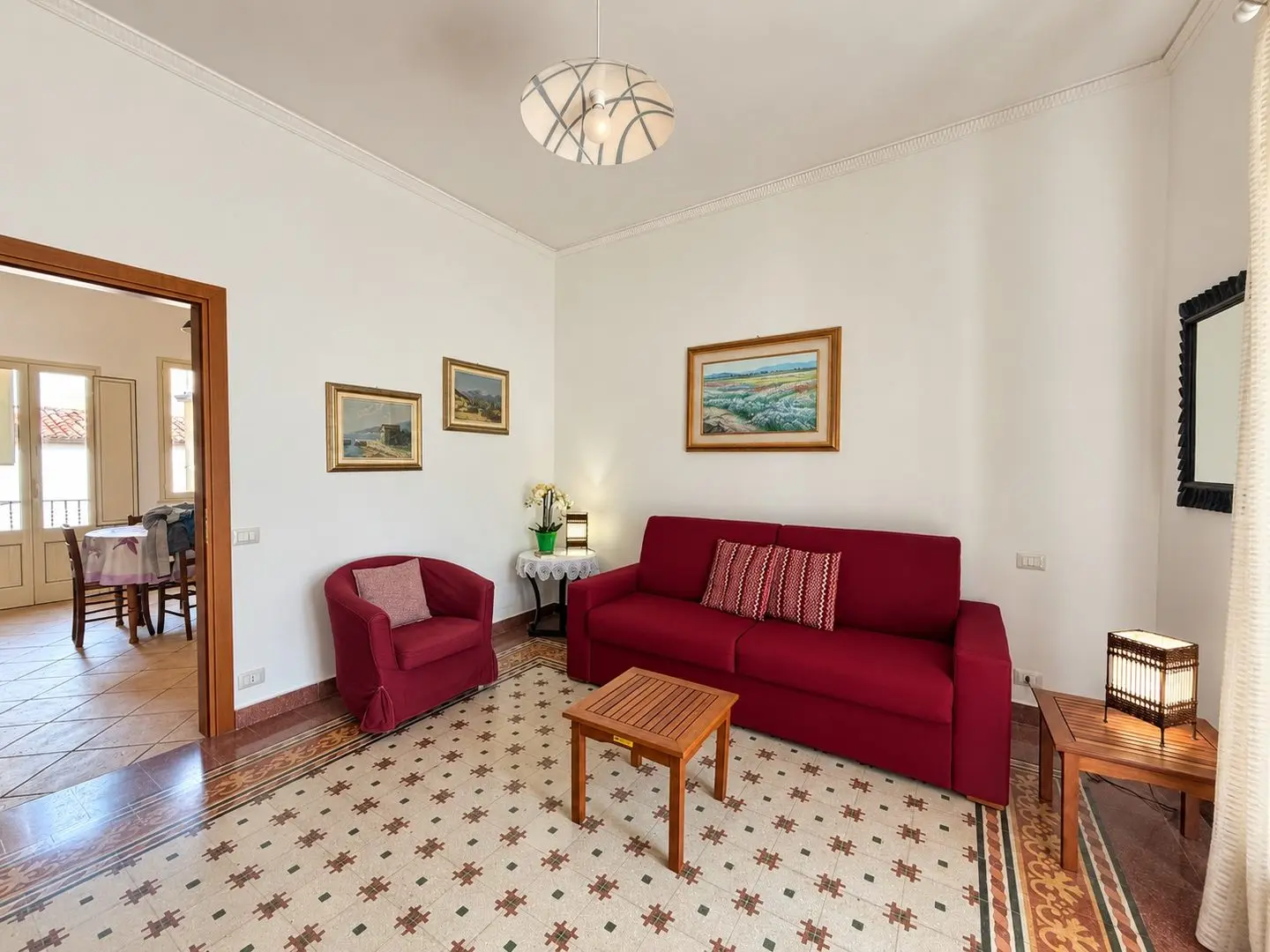
If you stay in the old town, at Casa del Duomo for example, all of this is on your doorstep and you are home in a few minutes on foot. From the villas it is an easy train ride or a short drive.
Granita for breakfast and other food rituals
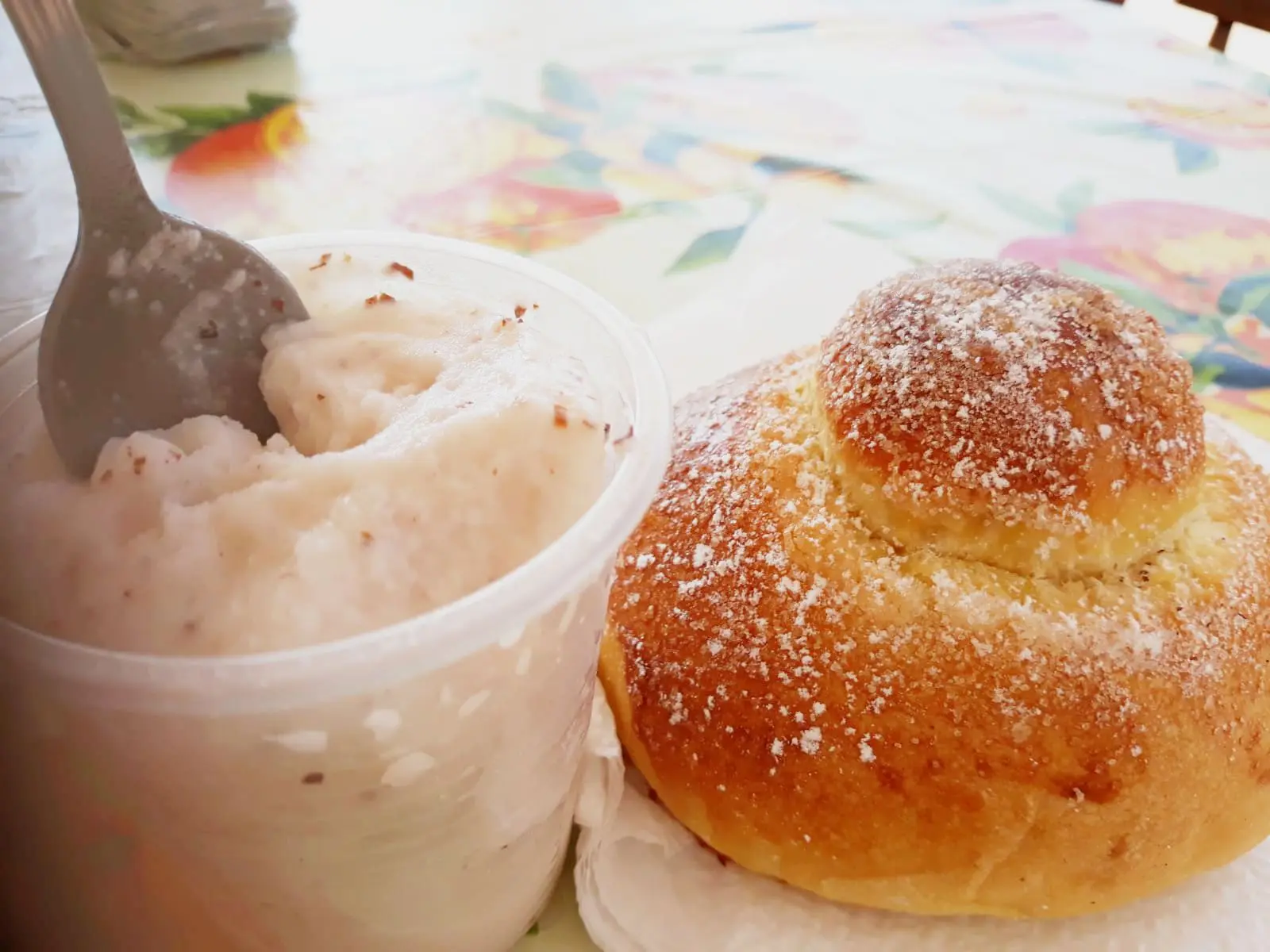
The classic Sicilian summer breakfast is granita with a brioche bun: lemon, almond, mulberry or coffee topped with cream. Have it at least once sitting down at a café, unhurried, the way locals do. Mid-morning is for an arancino, the evening for fish.
If you enjoy cooking, Sicilian cooking classes are run in the area, often combined with a market visit or a morning in the countryside. What is on offer changes from season to season, so just ask us and we will point you in the right direction.
Climbing the Rocca first thing in the morning
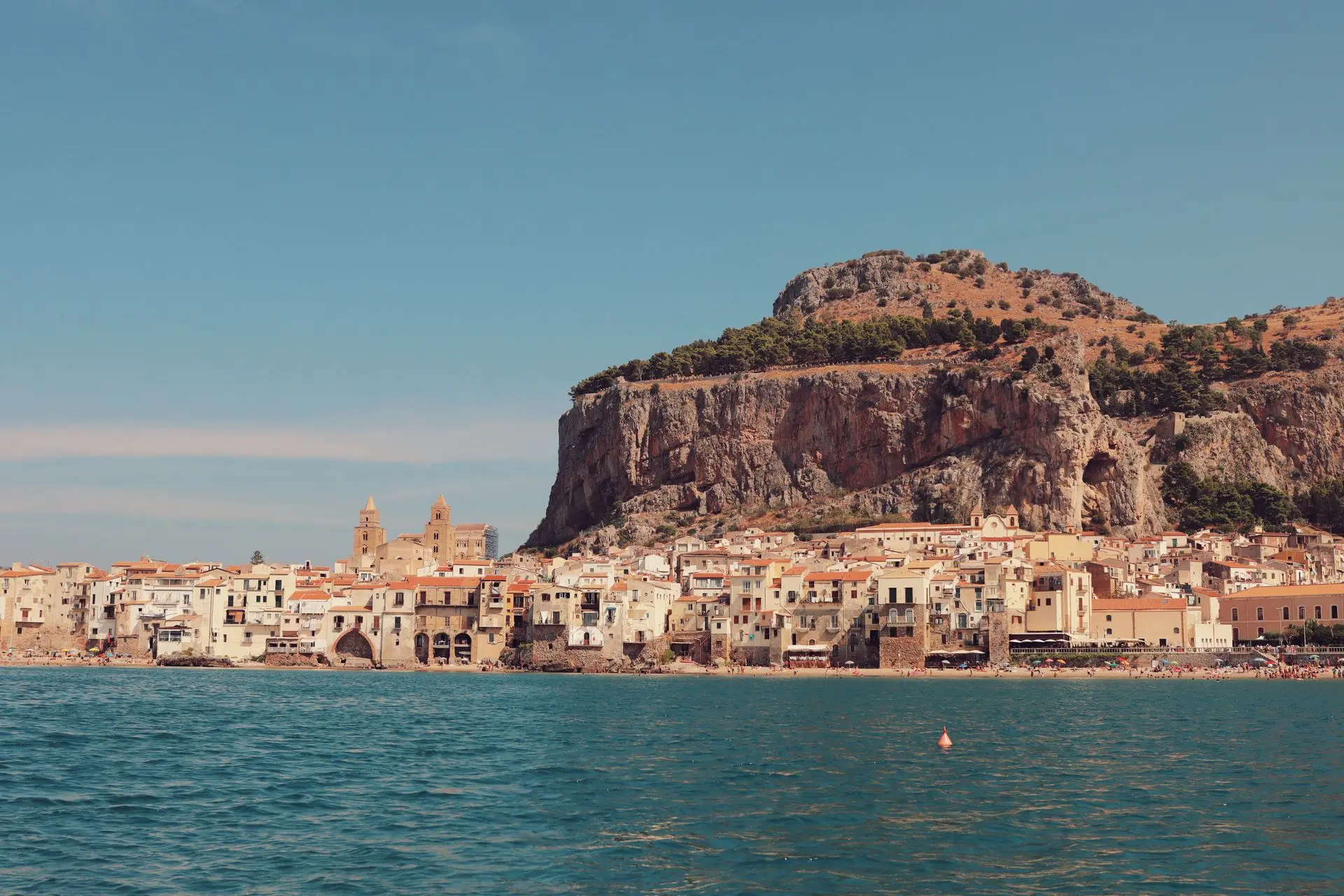
The path up the Rocca starts from Via Salita Saraceni and is almost entirely in the sun, so our advice is simple: go when it opens. According to the municipality the park opens at 8am all year and closes before sunset, with seasonal closing times and an entrance fee: all the details are in our Rocca di Cefalù hike guide.
Early on, the air is cool, the light is soft and you watch the town wake up below you. Wear proper shoes and bring water and a hat. The history of the Temple of Diana and the castle is in our guide to things to see in Cefalù.
Festivals in Cefalù: Santissimo Salvatore and the 'ntinna a mare
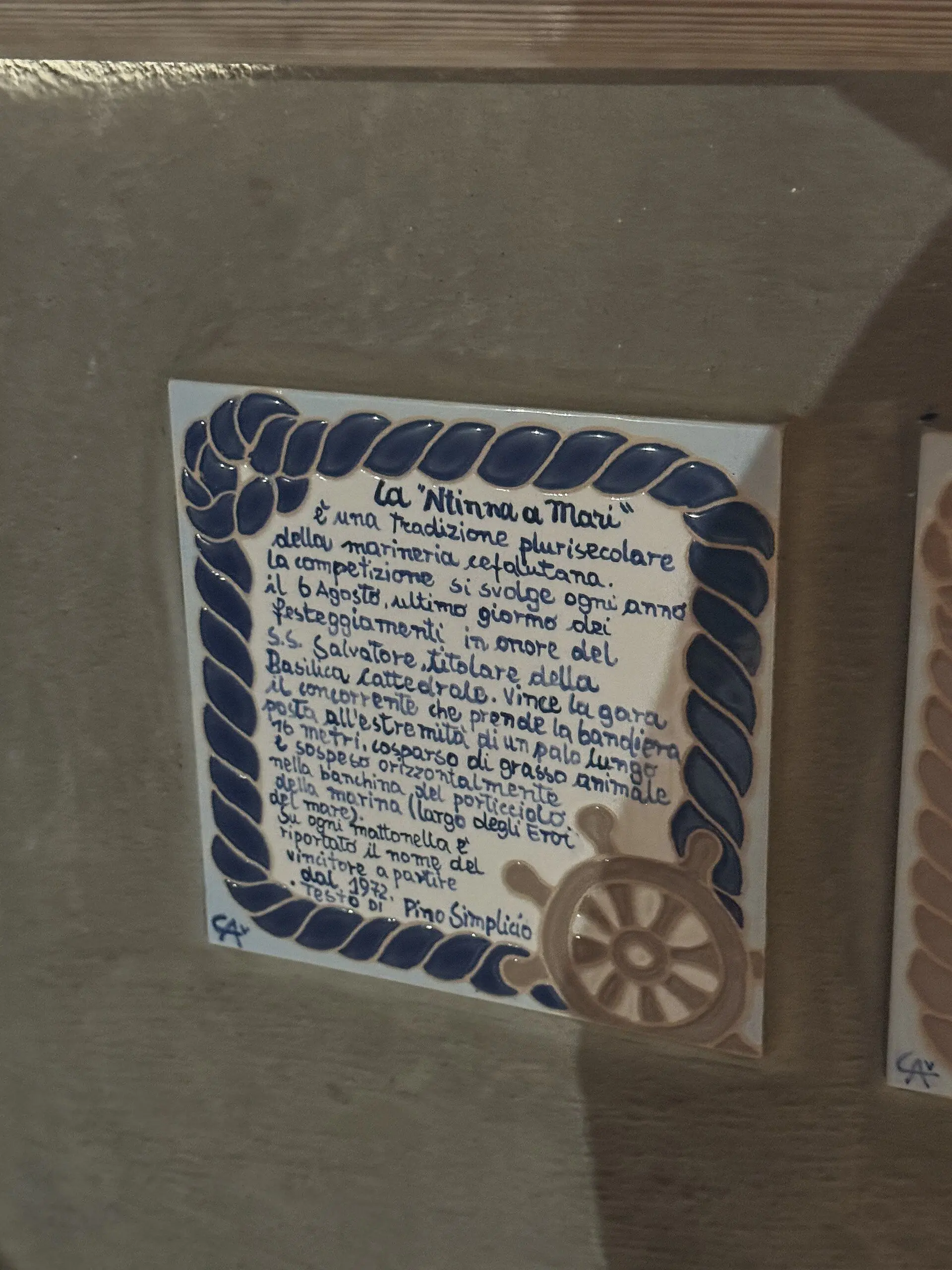
The big one is the feast of the Santissimo Salvatore, the town's patron, held over the first days of August and peaking on 6 August. In the afternoon, at the old harbour, comes the 'ntinna a mare: a greased pole juts out over the water and local fishermen, young and old, try to grab the flag at the tip before tumbling into the sea. In the late afternoon the procession leaves the cathedral, and fireworks close the celebrations at night.
From late June to 2 July the town also marks its 1837 vow for deliverance from cholera with processions and services. Exact programmes for both are published each year by the town council and the parishes, so check before you travel.
A day trip to the Aeolian Islands from Cefalù
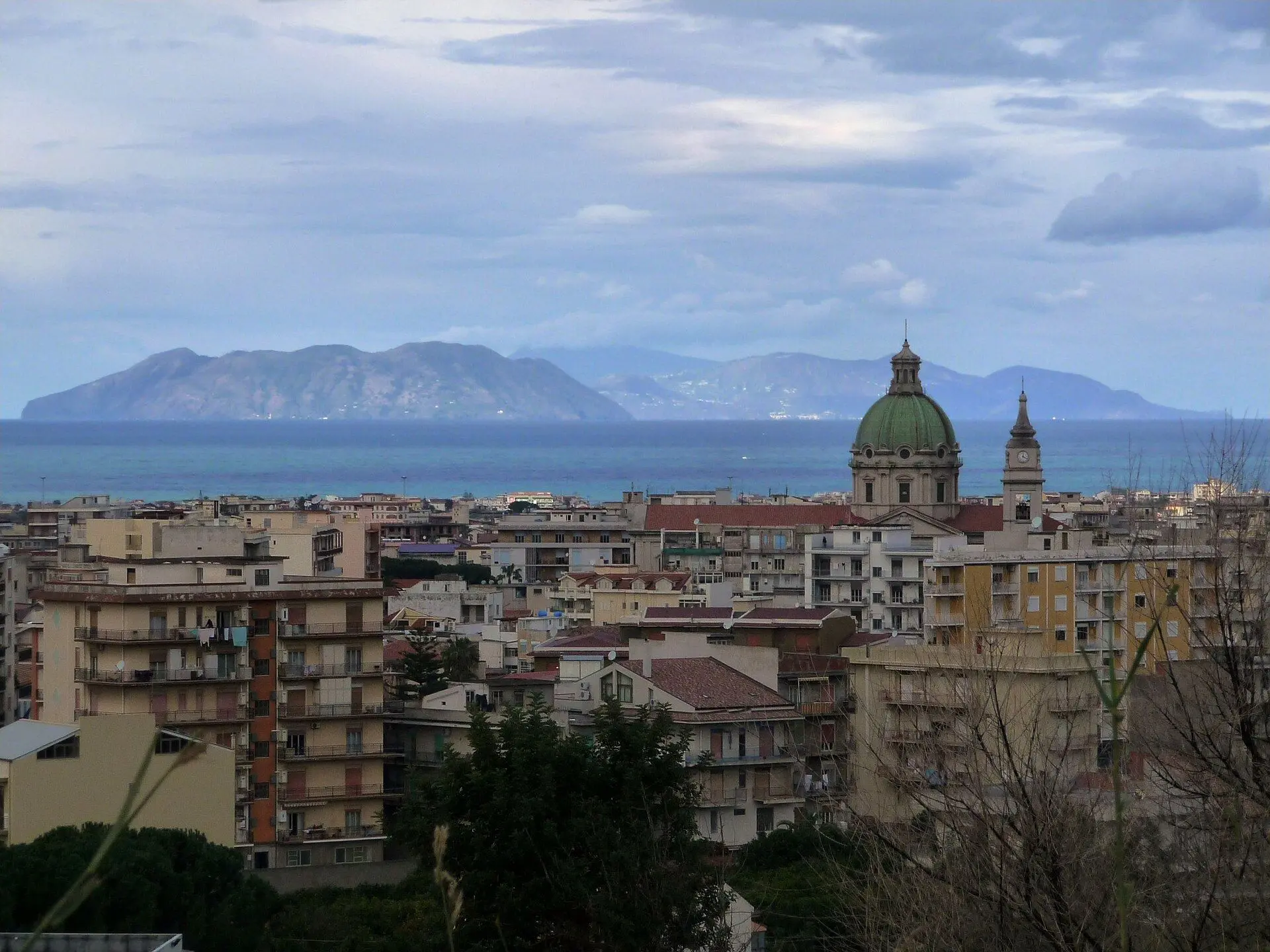
On clear days you can see the Aeolian Islands from the seafront, and most visitors are tempted. There is no scheduled hydrofoil line from Cefalù, though: regular services sail from Milazzo, and from Palermo in summer. In high season some agencies run day cruises to Lipari and Vulcano, sometimes leaving from Cefalù harbour and sometimes with a coach transfer to another port.
Days, times and prices change every year and depend on sea conditions, so always check before booking. For more ideas, see our guide to day trips from Cefalù.
Cefalù season by season
Spring is the best time for walking, climbing the Rocca and exploring without crowds, with green countryside and citrus blossom. Summer means sea, boats and festivals, but also heat and busy streets, so head out early and make the most of the evenings. September and October bring warm water, lower prices and fewer people.
In winter Cefalù is still a living town, with its residents, open churches and Christmas lights. Crisp winter days often give the sharpest view of the Aeolian Islands. If you want space out of season too, Villa dei Mandarini sits among our family's citrus groves.
What to do in Cefalù when it rains
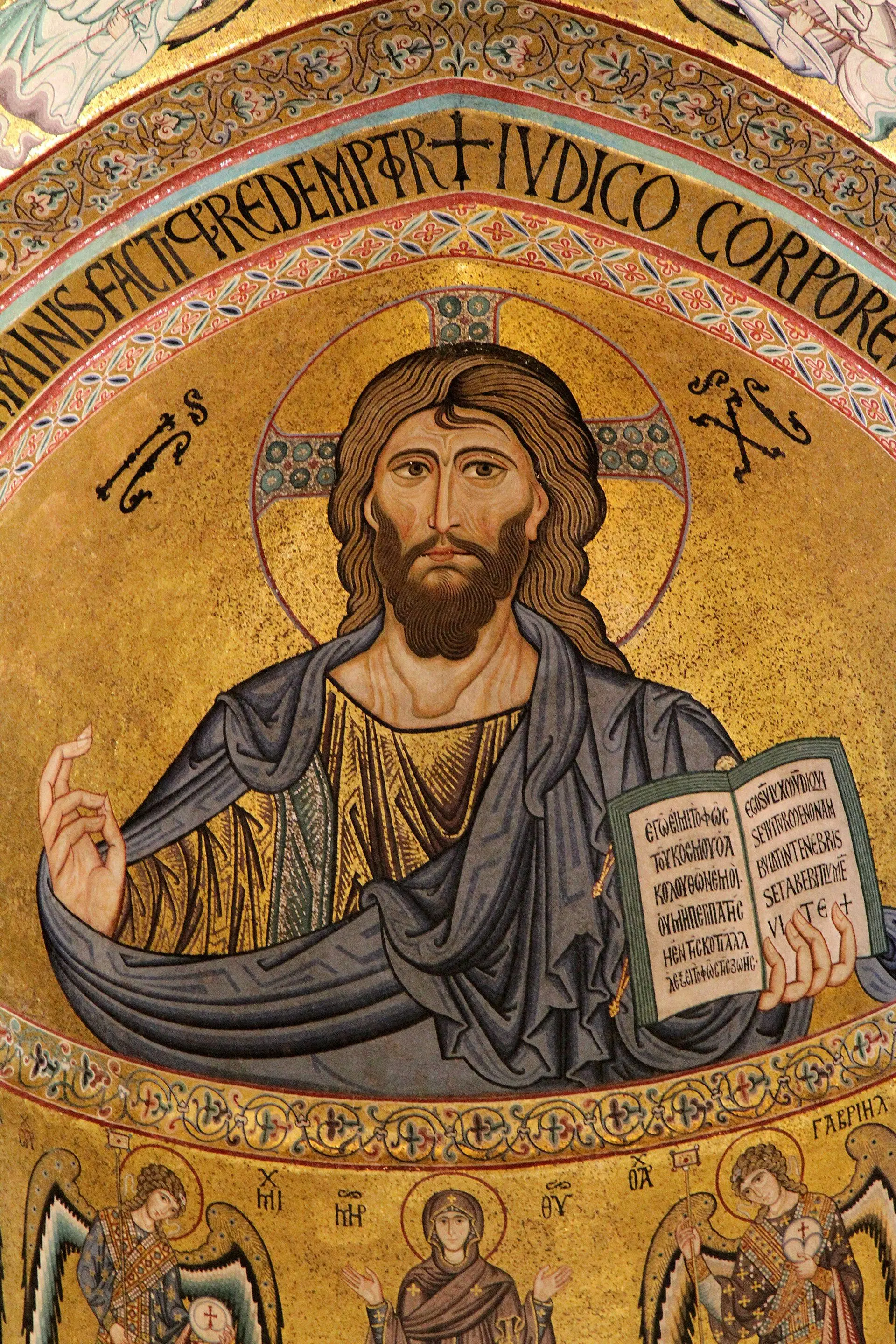
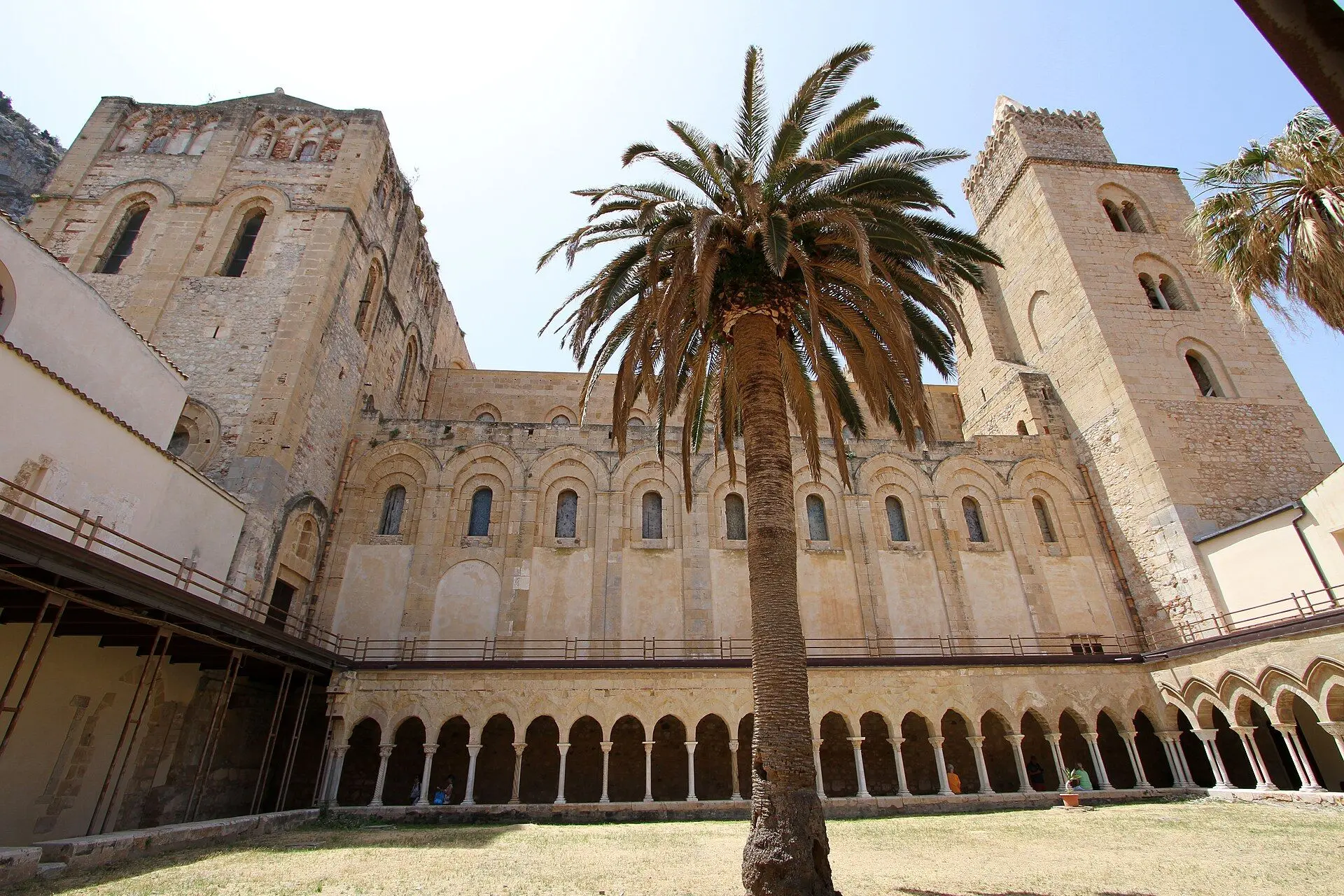
Rainy days are rare, but they happen. Start with the Museo Mandralisca on Via Mandralisca, home to Antonello da Messina's Portrait of an Unknown Man, plus archaeological finds, coins and an unusual shell collection. Then the cathedral: beyond the church itself, ticketed visitor routes take in the canons' cloister, the diocesan museum and, weather permitting, the tower terraces.
On Corso Ruggero you will find the Osterio Magno, the palace traditionally linked to King Roger II and now used for temporary exhibitions. Opening times and tickets change with the seasons, so check the official websites before you go.